


Silver Gilt Vessel
A silver gilt vessel brings a rich golden warmth to polished silver, offering both functional utility and decorative brilliance.
Silver Gilt Vessel
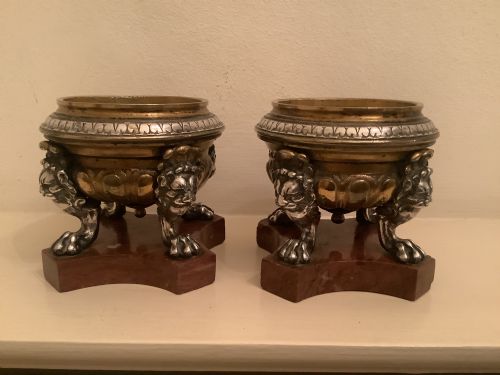
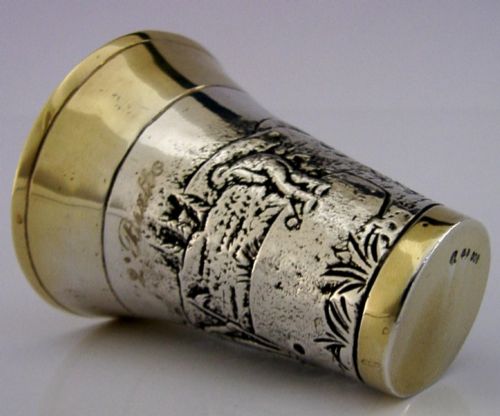
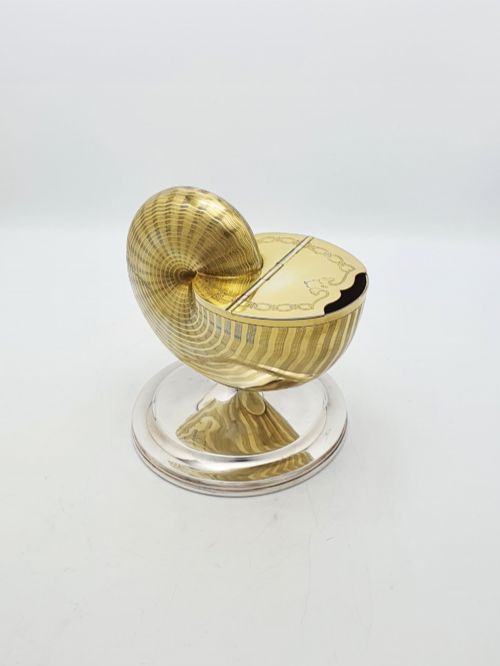
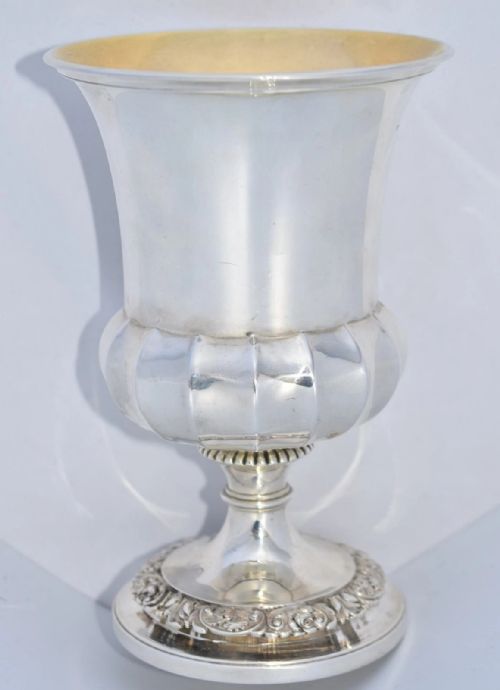
A silver gilt vessel is an object fashioned from silver and coated in a layer of gold, combining the structural integrity of the base metal with the luxurious appearance of solid gold. Buyers seeking a silver gilt vessel will encounter a diverse selection spanning the nineteenth century, the turn of the century, and mid-century modern eras.
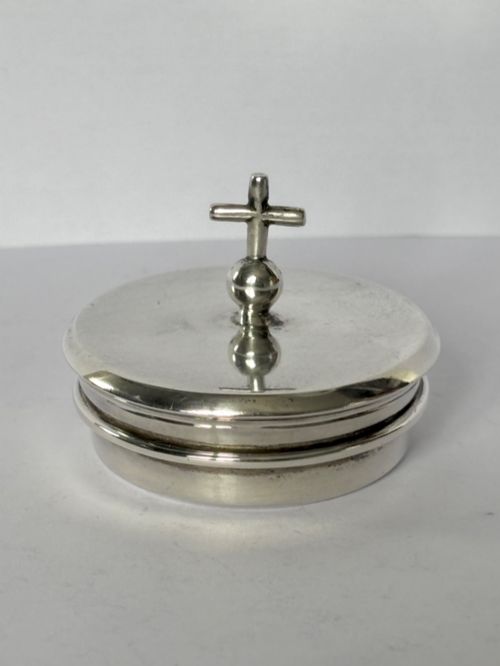
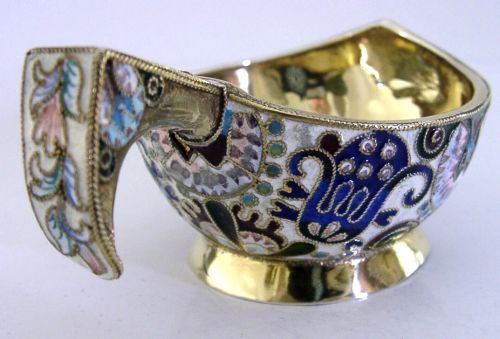
The assortment on this page includes domestic barware, tea and coffee services, christening mugs, spoon warmers, and religious artefacts such as pyx boxes and chalices. Formats range from English sterling silver communion ware to Russian enamel kovsh cups and Chinese Qing dynasty pieces.
Origin and maker signatures heavily influence the character of these items, with pieces originating from Britain, continental Europe, Russia, and Asia. Whether utilitarian barware or sacred ecclesiastical plate, each silver gilt vessel demonstrates the broad historical application of parcel-gilt and vermeil techniques across different cultures.
Materials and construction
Makers utilised sterling silver, 800 silver, and silver plate as the foundational substrates for these vessels, applying gilding by hand to create the characteristic two-tone surface effect. Techniques such as parcel-gilt and French vermeil ensure that portions of the silver remain exposed while other areas gleam beneath a fine gold finish.
Surface ornamentation on these vessels frequently incorporates detailed enamelling, hand-chased motifs, and applied elements like jade rims or bronze mounts. Skilled artisans shaped, cast, and hammered the base metal before executing the gilding process to achieve durable and visually striking results.
Some vessels double as dragons, holding jade rims in their claws while guarding your ashtray.
Assessing craftsmanship and condition
The quality of a silver gilt vessel depends primarily on the crispness of its chased detail, the structural weight of the metal, and the evenness of the gold application. Superior examples retain their original gilding without excessive rubbing, preserving the sharp contrast between the silver and gold surfaces.
Makers' marks, assay office stamps, and clear hallmarks significantly elevate the standing of a piece by confirming its origin and purity. Furthermore, the complexity of associated decoration, such as cloisonné enamel work or bespoke ecclesiastical engraving, distinguishes standard domestic items from master-level commissions.
F OSBOURNE CO LONDON·Joseph Craddock·Elkington Mason·William Eaton
The Silver Gilt Vessel Glossary
- Silver gilt
- Silver that has been coated with a thin layer of gold. This process is often referred to historically as gilt or vermeil.
- Vermeil
- High-quality silver plated with gold. French examples often carry this specific designation on domestic bowls and vessels.
- Parcel-gilt
- An item of silverware where only specific areas are gilded while the rest remains plain silver. This technique highlights interior bowls or engraved highlights.
- Pyx
- A small round box used in ecclesiastical contexts to carry the sacrament. These are frequently fashioned with gilt interiors to protect the sacred contents.
- Kovsh
- A traditional Russian vessel featuring a boat-like hull and a single handle. These items often display vibrant enamel work alongside silver gilt surfaces.
Silver Gilt Vessel: Frequently Asked Questions
What is silver gilt?
Silver gilt is solid silver or silver plate that has been coated with a thin layer of gold. This traditional technique provides the durability of silver with the rich appearance of gold.
The gilding is typically applied to the interior of vessels, such as beakers and chalices, to protect the silver from tarnishing when holding liquids or foodstuffs.
Were these vessels used daily?
Many silver gilt vessels, including tea services, christening mugs, and barware, were produced for domestic social rituals and family milestones. Others served strictly ceremonial or religious purposes within churches and cathedrals.
Ecclesiastical pyxes and communion chalices remained in sacred spaces, whereas decorative bowls and ashtrays occupied formal drawing rooms.
How do I identify the period?
Makers' marks, town marks, and date letters stamped directly onto the silver provide the most reliable method for dating a piece. Comparing stylistic indicators such as Aesthetic Movement engraving or mid-century ecclesiastical design helps narrow down the era.
Consulting historical punch records for silversmiths like William Eaton or Joseph Craddock confirms the exact year of manufacture.