



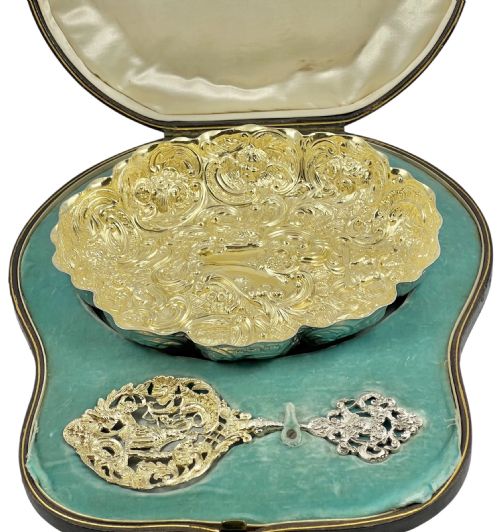


Silver Gilt Silverware
Silver gilt silverware brings together precious metals and gilt surfaces, offering remarkable objects for any collection.
Silver Gilt Silverware
Silver gilt silverware encompasses an array of drinking vessels, serving items and cutlery produced across the nineteenth and twentieth centuries. These pieces combine silver foundations with rich gilt finishes, creating striking decorative objects.
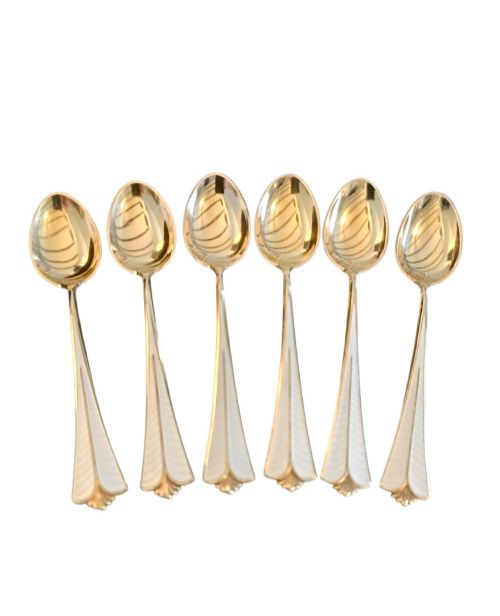
Buyers encounter distinct styles ranging from ornate floral engravings to geometric cloisonné enamel work. Each item demonstrates the utilitarian and decorative roles silver gilt objects played in formal dining and domestic life.
How they were made
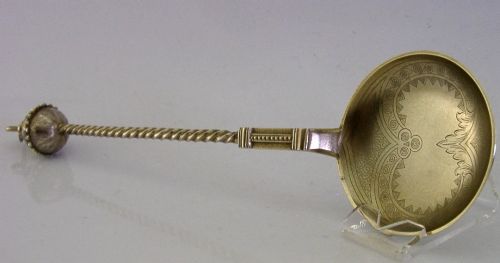
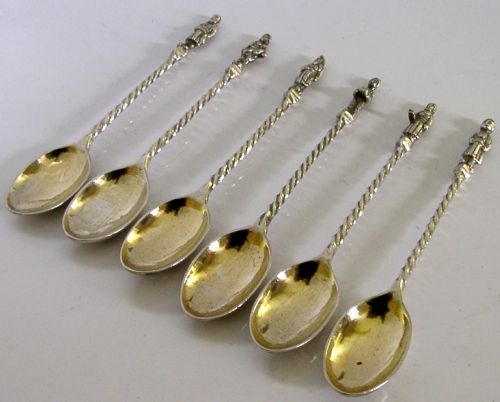
Maker utilisation of sterling silver and solid silver formed the structural base for these items, shaped into mugs, jugs, and spoons. Artisans applied a gilt coating to portions or the entirety of the silver surface.
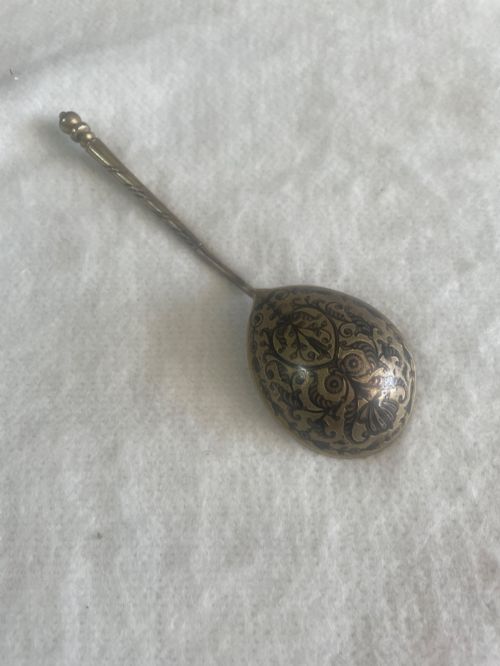
Specialist techniques such as niello work and cloisonné enamel added intricate surface decoration and colour contrast. Silversmiths employed detailed chasing, engraving, and casting methods to achieve specific regional styles.
Silver Gilt Silverware Retail Price Guide 2026
Typical asking prices for silver gilt silverware among the pieces listed under this phrase on Sellingantiques today, from the lower quarter to the upper quarter. They describe what is for sale here now, not the wider market.
Tiny Sleigh sauce boats bring festive winter carriage charm directly to the Victorian dining table.
What varies in quality
The refinement of the surface decoration and the precision of the enamel or niello work distinguish finer examples from simpler production. Master silversmiths achieved superior definition in floral engravings and figural motifs.
Substantial weight in solid silver construction and the preservation of the original gilt layer indicate higher standard manufacturing. Maker marks and assay details provide further context regarding the origin and quality of the piece.
David Andersen·Vasily Agafonov·William Comyns·Garrard London
The Silver Gilt Silverware Glossary
- Silver gilt
- Silver that has been coated with a thin layer of gold. This technique protects the underlying metal and provides a rich golden appearance.
- Niello
- A black metallic alloy used as an inlay on engraved silver. It creates distinct contrasting patterns against the bright metal.
- Cloisonné
- An ancient technique for decorating metalwork objects with coloured material held in place by metal wire partitions. Enamel is fired within these compartments to form intricate designs.
- Sterling silver
- An alloy of silver containing ninety-two point five percent by mass of silver and seven point five percent by mass of other metals. This standard ensures durability for silverware.
Silver Gilt Silverware: Frequently Asked Questions
What is silver gilt silverware?
Silver gilt silverware refers to silver objects that feature a thin coating of gold applied to their surfaces. This category includes spoons, mugs, jugs, and bowls.
The gilding process provides the rich visual warmth of gold while maintaining the robust structural qualities of solid silver beneath.
How do I clean silver gilt items?
Cleaning requires extreme care to avoid wearing away the delicate gold layer resting on top of the silver. Gentle dusting or specialist non-abrasive cleaning products work best for these pieces.
Harsh chemical dips and aggressive polishing cloths will strip the gilt finish and ruin the historical surface entirely.
How can I date my piece?
Dating relies heavily on identifying maker marks, assay office stamps, and stylistic cues present on the object. Georgian and Victorian pieces often carry clear hallmarks indicating their exact year of manufacture.
Regional items from Russia or the Ottoman Empire utilise distinct local hallmarks and traditional decorative motifs specific to their eras.
Were these items used daily?
Many items served practical functions during formal dining, tea services, and domestic rituals like christenings. Mugs, jugs, and spoons saw regular use in wealthy households.
Other highly decorative pieces, such as cloisonné enamel spoons or cased presentation sets, served primarily as display items or gifts.