

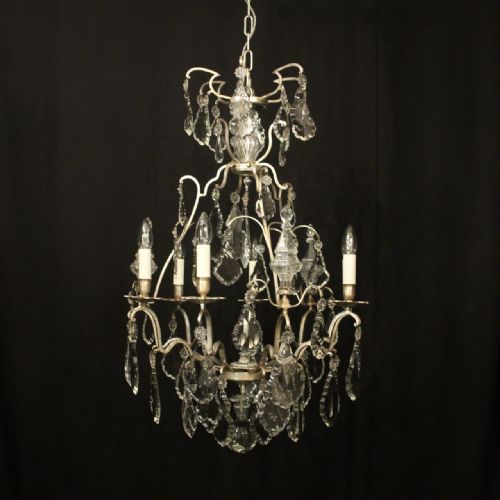


Silver Gilt Pendant Light
A silver gilt pendant light brings an opulent yet cool metallic glow to a room, drawing the eye upward with historic French and Italian forms.
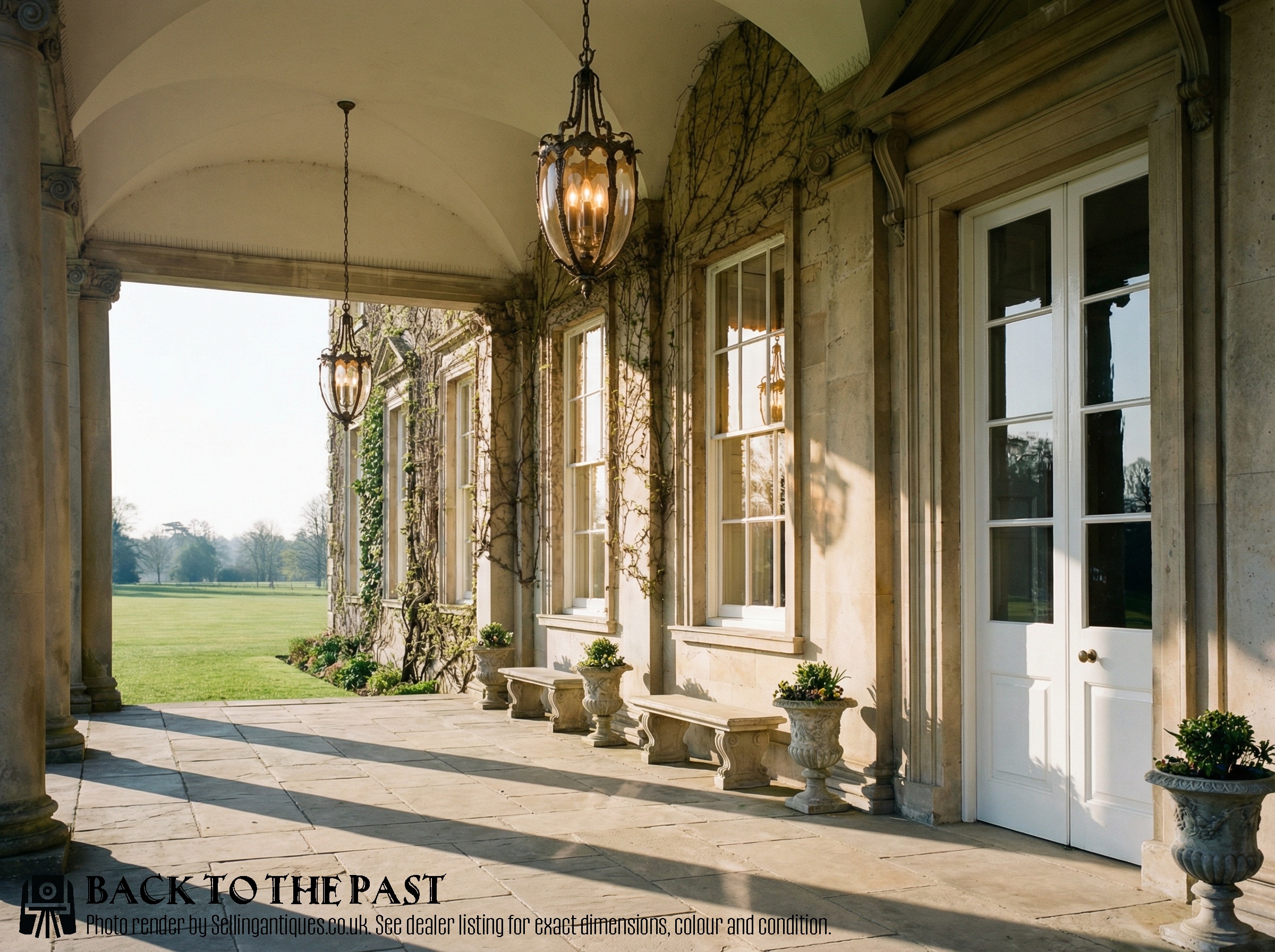
Silver Gilt Pendant Light
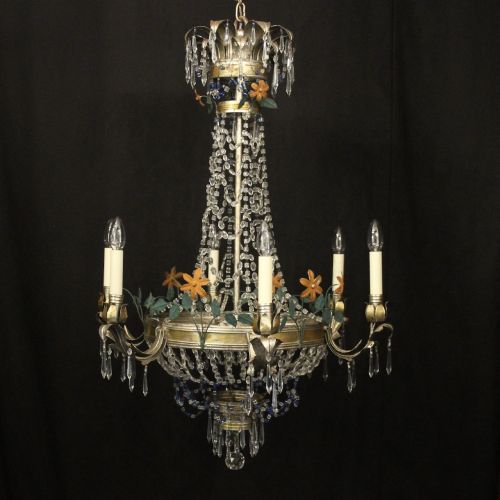
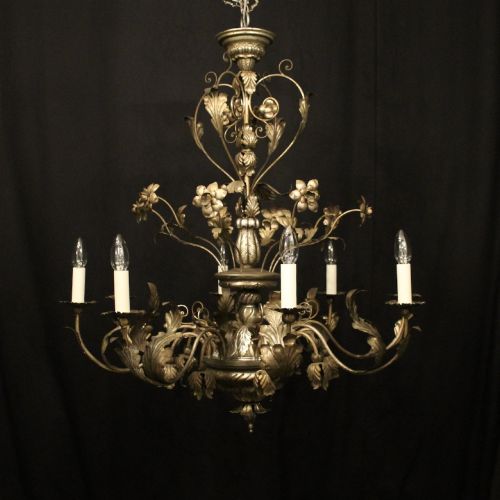
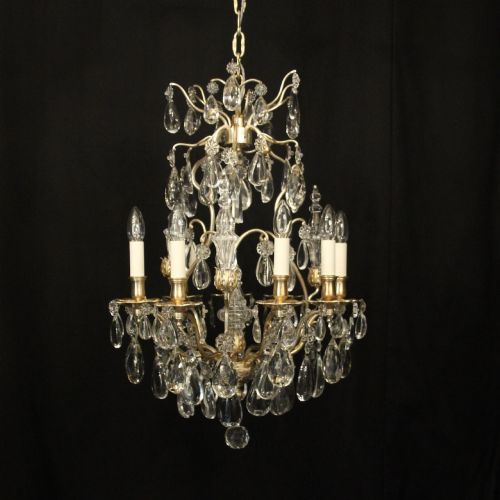
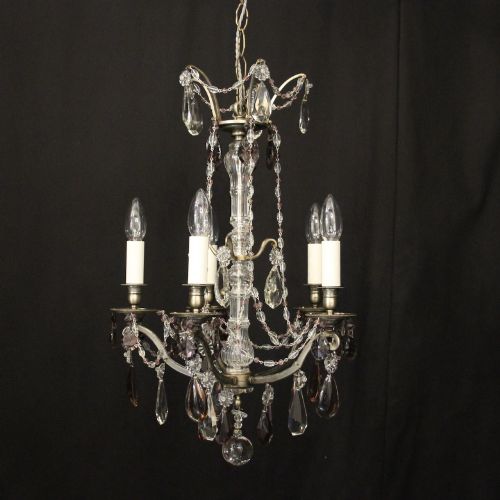
A silver gilt pendant light combines historic European forms with a dual-toned metallic finish, spanning the nineteenth century through the nineteen-thirties. Buyers searching for this phrase encounter grand multi-light chandeliers and single hall lanterns designed to dominate a ceiling space.
The selections on this page lean heavily toward French and Italian aesthetics, including French Chateau, Neoclassical, Rococo, and Florentine styles. These pieces function primarily as statement overhead illumination for high-ceilinged rooms and entrance halls.
Most examples originate from the early decades of the twentieth century, particularly the nineteen-twenties and nineteen-thirties, alongside select nineteenth-century ancestors. Forms range from multi-tiered crystal chandeliers to robust hanging bronze lanterns.
How they were made
Metal structures form the backbone of these fixtures, utilising bronze, brass, and silver gilt metal that received manual applications of silver leaf or gilt finishes. These metallic frames often incorporate glass and crystal elements to refract light from multiple internal bulbs.
Casting techniques created the intricate decorative motifs characteristic of French Rococo and Italian Florentine styles, requiring skilled metalworkers to shape the arms and lanterns. Artisans combined these rigid metal foundations with delicate suspended crystal drops and glass panes.
Silver Gilt Pendant Light Retail Price Guide 2026
Typical asking prices for silver gilt pendant light among the pieces listed under this phrase on Sellingantiques today, from the lower quarter to the upper quarter. They describe what is for sale here now, not the wider market.
Listings span four distinct periods, from the nineteenth century through the nineteen-thirties, with materials ranging from basic metal to crystal and silvered bronze.
What varies in quality
The distinction between tiers rests upon the crispness of the cast bronze or brass ornamentation and the depth of the silver gilt application. Finer examples display meticulous hand-chasing on the metal surfaces and substantial crystal components rather than pressed glass.
Scale and structural complexity also divide the standard from the exceptional, as seen in fifteen-light nineteenth-century chandeliers compared to single-light hall lanterns. The integration of structural metal with high-grade crystal determines the visual weight and brilliance of the fixture.
The Silver Gilt Pendant Light Glossary
- Silver gilt
- Metal coated with a thin layer of silver or silver leaf to provide a luminous, reflective surface. This finish bridges the warmth of gold gilding with the cool tone of silver.
- Crystal
- High-clarity glass cut with precision facets to refract light into prismatic colours. It appears suspended from arms and frames to amplify illumination.
- Chandelier
- A branched, suspended lighting fixture designed to hold multiple light sources. These large forms dominate the central space of a room.
- Lantern
- An enclosed hanging light fixture featuring glass panels within a metal frame. They frequently serve to illuminate hallways and entranceways.
- Florentine
- An Italian decorative style originating from Florence, known for ornate, organic carved motifs and rich textural finishes. It often incorporates floral or scrollwork elements.
Silver Gilt Pendant Light: Frequently Asked Questions
Where should I hang a silver gilt pendant light?
These fixtures suit high-ceilinged spaces, grand entrance halls, and formal reception rooms where their substantial scale and reflective finish can command attention. Their historic French and Italian designs make them natural focal points in traditional or eclectic interiors.
Ensure the ceiling height accommodates the drop of multi-light chandeliers or hanging lanterns without obstructing movement underneath. Single-light variants work particularly well in compact corridors or stairwells.
How do I distinguish French styles from Italian ones?
French pieces on this page typically embrace Chateau, Neoclassical, or Rococo idioms, featuring symmetrical scrollwork, restrained elegance, or exuberant asymmetrical curves. Bronze and crystal combinations dominate these northern designs.
Italian pieces, specifically Florentine and Rococo Revival examples, tend to emphasise organic leaf motifs, textured surfaces, and ornate craftsmanship rooted in Tuscan traditions. They often present a warmer, more tactile interpretation of silver gilt.
What periods do these fixtures represent?
The available selection spans from the nineteenth century through the nineteen-thirties, capturing a strong concentration of pieces from the nineteen-twenties and nineteen-thirties. These decades reinterpreted earlier classical aesthetics with robust manufacturing.
Nineteenth-century examples tend toward grander scales, such as fifteen-light configurations, while nineteen-twenties and thirties pieces show diverse stylistic revivals in both lanterns and chandeliers.
What materials make up these lights?
Construction relies primarily on metals such as bronze, brass, and silver gilt metal, which provide sturdy armatures for multi-light configurations. These metal frames are frequently enhanced with glass and crystal components.
Silvered bronze and gilded bronze provide the heavy structural foundation for many French lanterns and chandeliers, while cut crystal adds refractive sparkle to the overall design.