

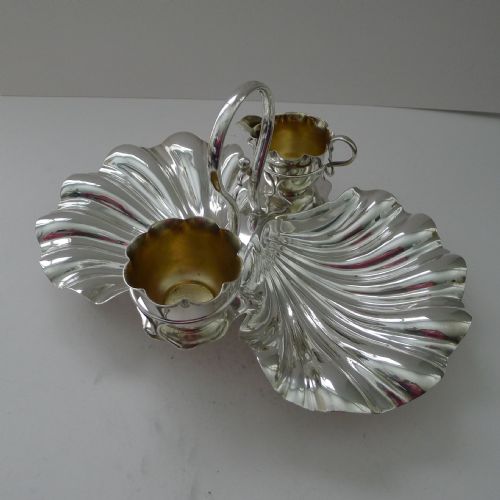


Silver Gilt Jug
These silver gilt jug examples range from Georgian cream vessels to Victorian claret jugs, bringing gilded weight and historic presence to a table.
Silver Gilt Jug
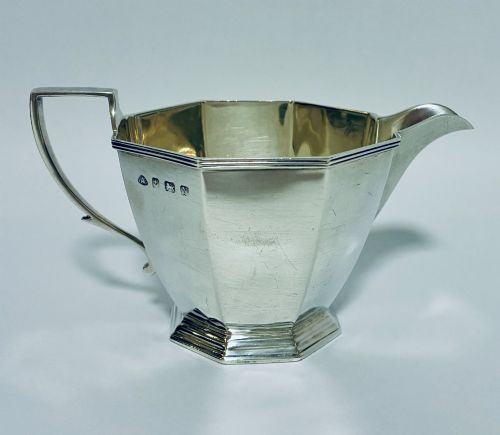
A silver gilt jug is a hollowware vessel formed in silver and coated with a layer of gold, combining the structural integrity of the metal with a rich golden surface. The silver gilt jug category encompasses smaller cream and milk vessels alongside larger claret jugs.
The examples gathered here span Georgian, Victorian, Edwardian and later twentieth-century periods, showing shifts in domestic tableware from formal tea service components to decorative wine servers.
Makers utilised sterling silver, silver plate and electroplated nickel silver as underlying substrates before applying gold wash or gilt finishes. These pieces function both as practical table service items and as decorative displays of period metalwork.
Materials and construction methods
Silversmiths formed the bodies of these vessels using sterling silver or plated base metals, often incorporating cast elements such as handles, feet and decorative masks. The application of gold gilt or gold wash created the characteristic two-tone or fully gilded appearance.
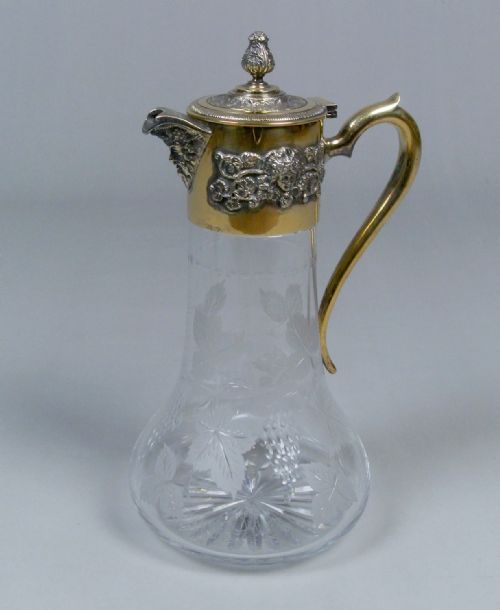
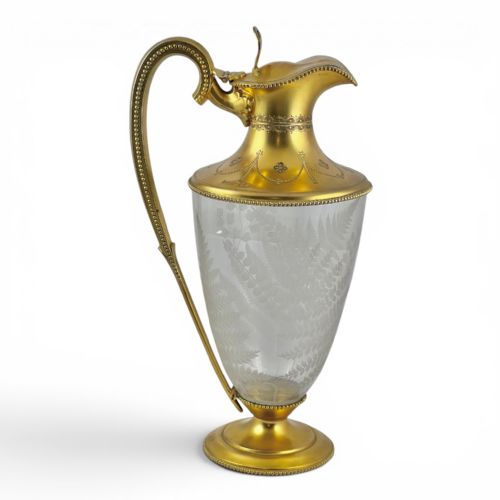
Victorian claret jugs frequently paired silver gilt mounts with blown glass bodies, secured with hinged lids and detailed collar mounts. Surface decoration relied on chasing, repousse work and hallmarks stamped directly into the metal.
Silver Gilt Jug Retail Price Guide 2026
Typical asking prices for silver gilt jug among the pieces listed under this phrase on Sellingantiques today, from the lower quarter to the upper quarter. They describe what is for sale here now, not the wider market.
Some Victorian claret jugs feature roaring Bacchus masks glaring out from the spout to guard the wine.
Factors determining quality
Quality rests upon the crispness of chased detail, the balance of the handle against the body and the integrity of the gilding across high-wear areas like rims and handles. Maker marks and clear hallmarks provide evidence of origin and standard.
The heaviness of the silver substrate and the quality of applied cast ornament distinguish standard production items from workshop pieces bearing named makers such as Asprey or Joseph Craddock.
Asprey and Co. Ltd·Daniel Arter·Joseph Craddock
The Silver Gilt Jug Glossary
- Silver-gilt
- Silver that has been coated with a thin layer of gold, sometimes referred to as vermeil depending on the base metal and thickness. This finish protects the underlying silver from tarnishing while offering a golden appearance.
- Claret jug
- A large pouring vessel traditionally used for serving claret or other red wines at the dining table. These often feature glass bodies fitted with ornate silver or silver-gilt mounts and hinged lids.
- Cream jug
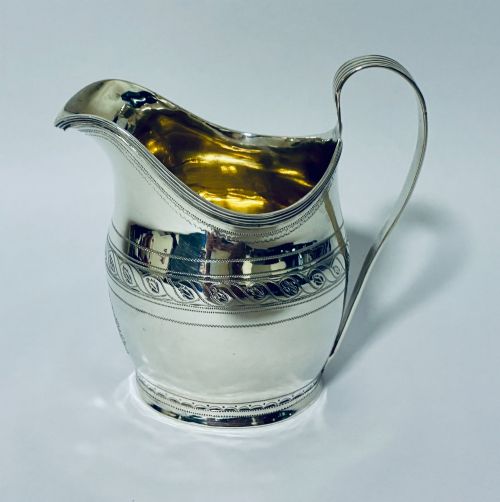
- A small open vessel designed for holding and pouring cream during tea service. They appear across Georgian and Victorian periods in various bulbous and helmet shapes.
- Electroplated nickel silver
- A base metal alloy of copper, nickel and zinc coated with a layer of silver through an electrolytic process. It served as a cost-effective alternative to solid sterling silver in nineteenth-century manufacturing.
- Hallmark
- A series of official stamps applied to precious metals indicating the maker, purity standard, assay office and date of manufacture. These marks offer a reliable method for dating British metalwork.
Silver Gilt Jug: Frequently Asked Questions
What is a silver gilt jug?
A silver gilt jug is a pouring vessel made from silver or plated metal that has been coated with gold. These items were produced for domestic use at the dining or tea table.
The gold layer provides a warm yellow hue while helping to protect the underlying metal from daily wear and tarnishing.
How do I date a silver jug?
Dating relies heavily on the presence of hallmarks stamped into the metal by official assay offices. These marks decode to specific years, towns and makers.
Stylistic cues such as the bulbous bodies of Georgian creamers or the glass-and-silver combinations of the Victorian era also help establish the period.
How were these jugs used?
Smaller vessels served milk or cream during tea and coffee services, while larger examples handled wine at the dining table. Many were made as part of matching tea and coffee sets.
Over time, their roles shifted from daily dining room utilities to decorative display pieces in domestic interiors.
How do I care for silver gilt?
Silver gilt requires gentle handling because aggressive polishing will wear away the thin gold layer over time. Warm water, mild soap and a soft cloth suffice for cleaning.
Storage in dry, tarnish-resistant environments keeps the dual-tone finish stable without the need for harsh chemical dips.