





Silver Gilt Clock
A silver gilt clock brings together precious metal finishes and mechanical precision, offering a striking focal point for a mantel or desk.
Silver Gilt Clock
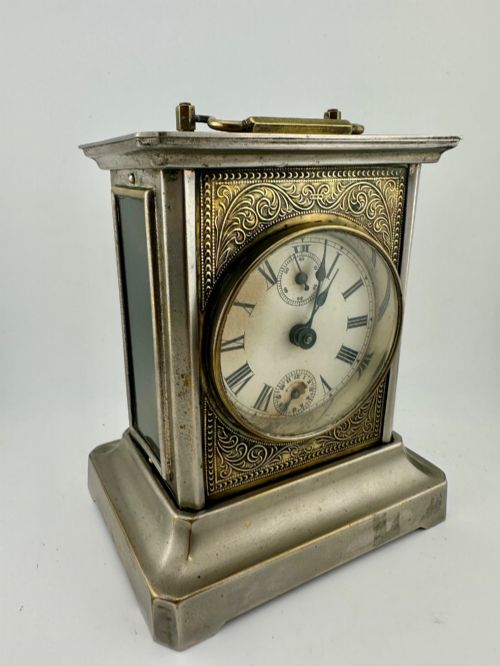
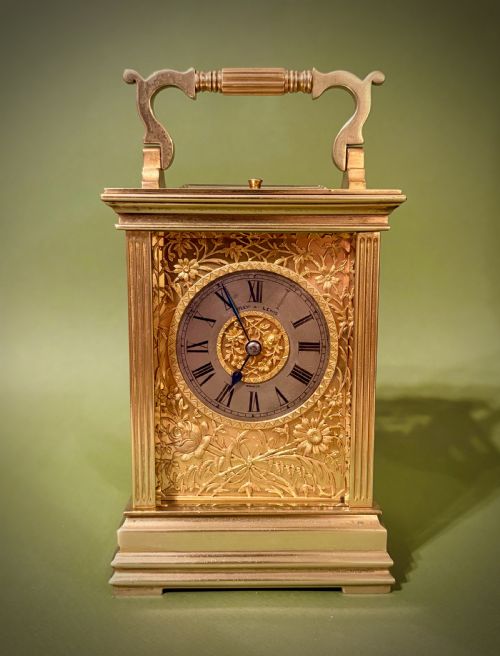
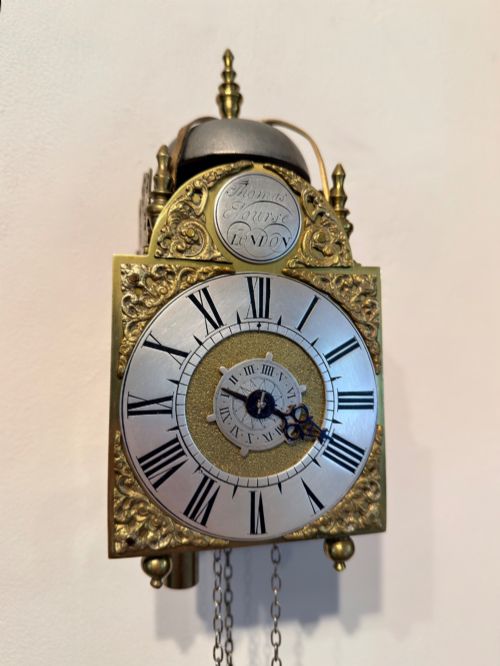
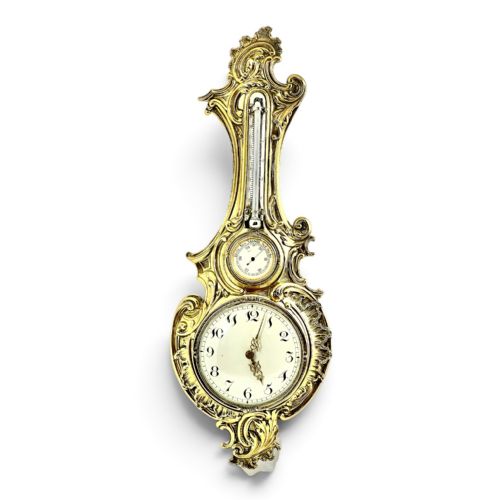
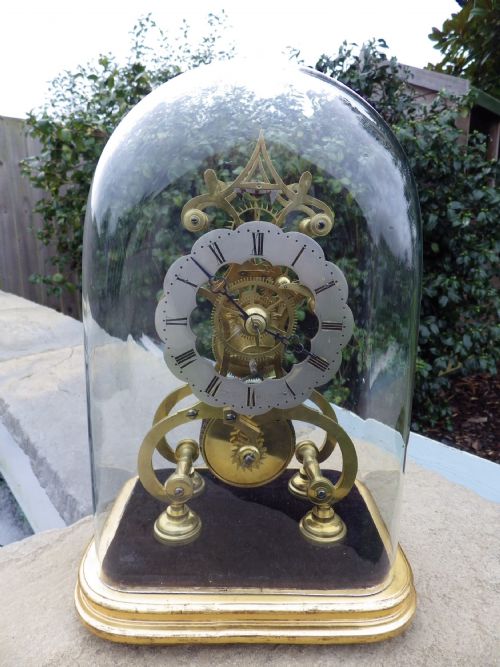
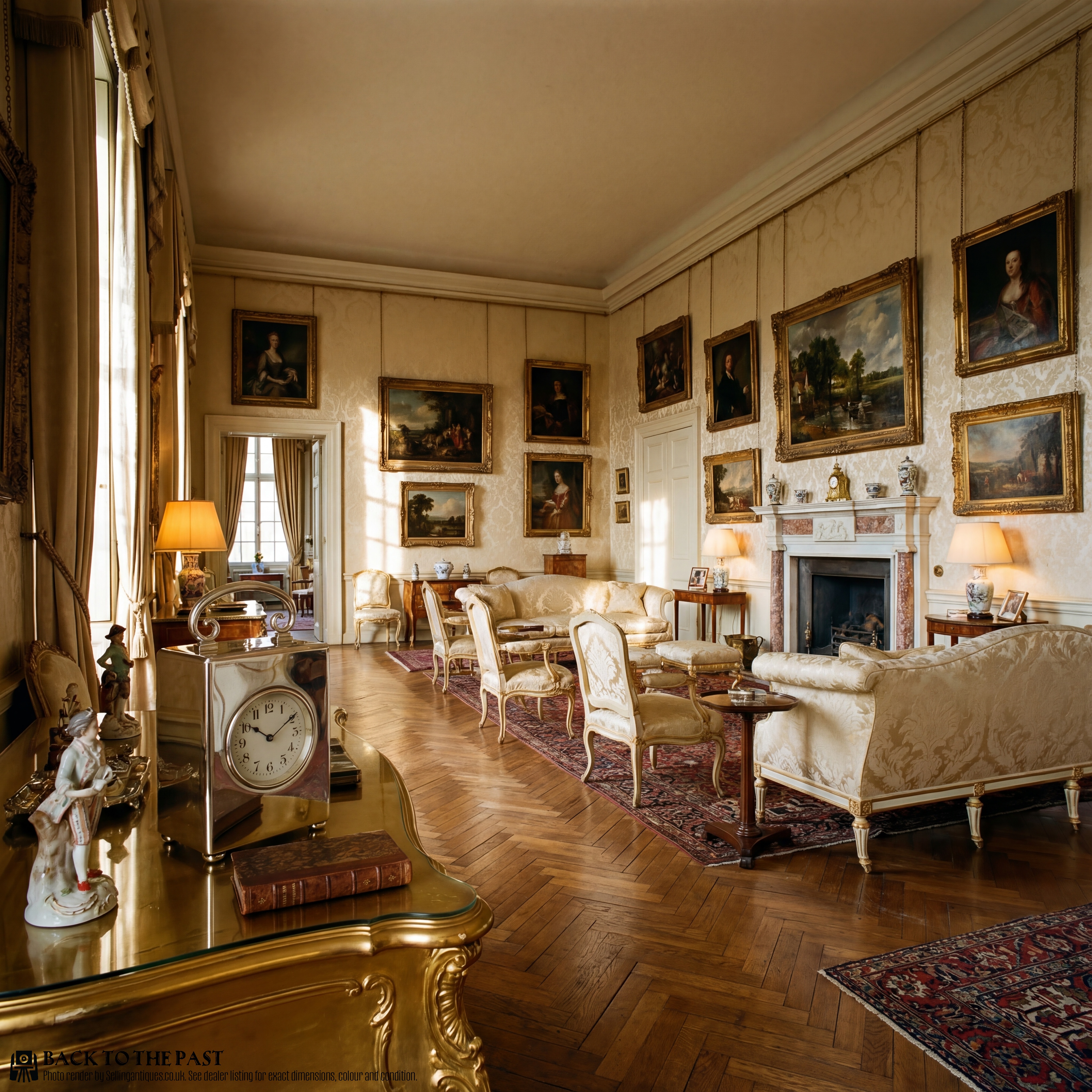
When you search for a silver gilt clock, you encounter timepieces finished with a layer of gold over silver or brass, combining white and yellow metallic tones. These objects range from portable carriage clocks to large mantel and wall pieces produced across several centuries.
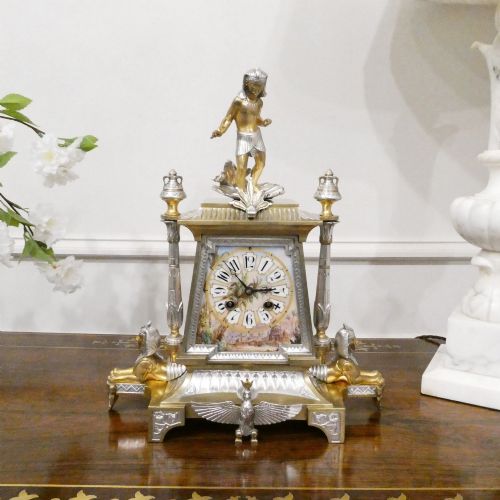
The most common versions on this page are French carriage clocks and Victorian desk or mantel timepieces, often featuring intricate enamel dials and gilt bronze or silvered metal mounts. These varied forms reflect both domestic utility and ornamental display.
The selection spans periods from the seventeenth century through the Art Deco era, including substantial bracket clocks alongside miniature travel pieces. Each era brings distinct decorative vocabularies, from geometric Art Deco lines to elaborate revival styles.
Materials and Construction
The construction of these pieces relies on a foundation of brass, bronze, or sterling silver, onto which a gold wash or mercury gilt layer is applied. Enamel, glass, and sometimes tortoiseshell or ebony provide contrasting textures on the dials and cases.
Mechanical components utilise steel and brass for gear trains, fusee movements, and escapements designed to maintain accurate time. Silvered metal and guilloche enamel frequently form the chapter rings and decorative dial plates.
Silver Gilt Clock Retail Price Guide 2026
Typical asking prices for silver gilt clock among the pieces listed under this phrase on Sellingantiques today, from the lower quarter to the upper quarter. They describe what is for sale here now, not the wider market.
The inventory includes carriage clocks, mantel clocks, desk clocks, and wall clocks spanning the Victorian and Art Deco periods.
Assessing Quality and Craftsmanship
Quality in these timepieces depends upon the crispness of the chasing on the gilt mounts and the complexity of the movement, such as repeating mechanisms or multiple trains. Original components and signed movements by notable makers elevate the standing of a piece.
The preservation of the gilding and the clarity of painted enamel dials dictate visual appeal. Finer examples maintain their original glass panels and delicate hands without replacement parts.
Richard et Cie·Jonathon Lowndes·William Speakman·Thomas Cole·James Cole·Hunt And Roskell·Paul Garnier·Le Roy et Fils·William Comyns
The Silver Gilt Clock Glossary
- Silver gilt
- Silver that has been coated with a thin layer of gold, combining the appearance of gold with a silver base. This technique creates a durable, warm metallic finish.
- Carriage clock
- A small, portable spring-driven clock designed for travellers, typically featuring a brass or gilt case with glass panels. Many include a carrying handle on top.
- Fusee
- A conical pulley used in older clock movements to maintain an even pull as the mainspring unwinds. This mechanism improves timekeeping accuracy.
- Guilloche
- An intricate decorative pattern engraved into metal using a mechanical lathe before being covered with translucent enamel. It appears frequently on twentieth-century dials.
- Mantel clock
- A clock designed to sit on the shelf above a fireplace, often housed within an architectural or decorative case made of bronze, wood, or marble.
Silver Gilt Clock: Frequently Asked Questions
How do I wind a carriage clock?
Most carriage clocks use a key inserted into the backplate to wind both the time and strike trains. Care must be taken not to overwind the mainspring.
Moving the hands should be done slowly and strictly in a clockwise direction to protect the delicate escapement inside.
What is the difference between gilt brass and silver gilt?
Gilt brass involves applying a gold wash directly over a brass base, producing a warm yellow tone throughout. Silver gilt specifically applies gold over a silver base.
This silver base gives a different underlying lustre beneath the gold layer, particularly where wear reveals the metal underneath.
Where should I place a mantel clock?
Mantel clocks function best on stable, level surfaces away from direct sunlight, excessive moisture, and rapid temperature changes. Stable placement protects the delicate internal balance wheel or pendulum.
Allowing adequate clearance around the piece also ensures any striking mechanism can be heard clearly.
How do I identify the period of a clock?
Dating relies on examining the style of the case, the typography of the dial, and the mechanical layout of the movement. Signature marks or maker stamps often provide definitive clues.
Comparing construction techniques with known dated examples helps narrow down the decade of production.