



Silver Gilt Bronze
Silver gilt bronze brings together dual metallic tones in objects of high display, from monumental chandeliers to intimate mantel clocks.
Silver Gilt Bronze
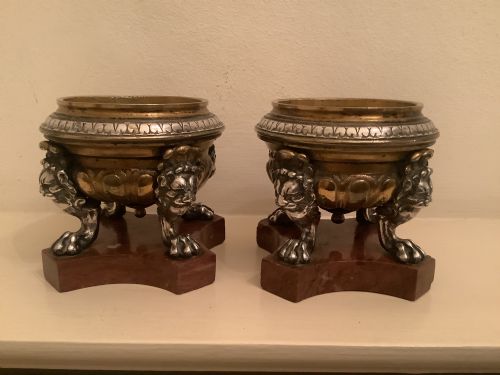
Silver gilt bronze objects combine cast bronze forms with contrasting silvered and gilded highlights, reflecting centuries of European decorative metalwork. These pieces emerge predominantly in French lighting, mantel clocks, and decorative urns spanning the eighteenth, nineteenth, and early twentieth centuries.
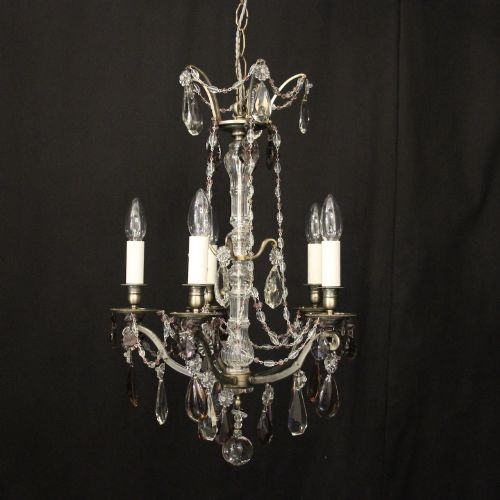
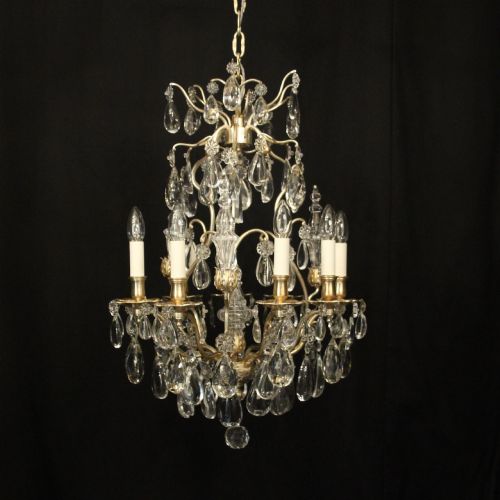
The selection on this page centres upon grand French chandeliers, wall lights, and lanterns alongside sculptural mantel clocks, tazzas, and desk accessories. Buyers encounter diverse stylistic influences, ranging from French Rococo and Neoclassical designs to Chinoiserie and Grand Tour decorative objects.
Beyond French domestic furnishings, the category encompasses distinct international expressions such as Russian Orthodox icons painted in tempera on wood with silver and gilt, and Japanese metalwork. This breadth allows collectors to acquire functional lighting and decorative focal points with complex metallic surfaces.
Materials and technique
Makers formed these items using cast bronze as the primary structural body, often incorporating crystal drops, marble bases, glass panels, and mahogany housings. Artisans applied mercurial gilding or silver plating directly onto the bronze surfaces to create the characteristic two-tone metallic finish.
Surface ornamentation relied on meticulous hand chasing and engraving to define drapery, foliate scrolls, and figurative details on items like candelabra and portrait clocks. Components such as crystal pendants and hand-painted icon panels were then integrated into the gilded and silvered metal mounts.
Silver Gilt Bronze Retail Price Guide 2026
Typical asking prices for silver gilt bronze among the pieces listed under this phrase on Sellingantiques today, from the lower quarter to the upper quarter. They describe what is for sale here now, not the wider market.
Materials paired with the primary metalwork include hand-cut crystal, white marble, painted wood icons, and mahogany clock housings.
Assessing quality
Compositional complexity and structural ambition distinguish high-ranking objects, such as multi-branch chandeliers with intact crystal prisms or sculptural clocks featuring detailed equestrian figures. The integrity of the original dual-tone surfaces and the preservation of auxiliary materials like marble and glass dictate the standing of each piece.
Carrier·Volga Masters
The Silver Gilt Bronze Glossary
- Ormolu
- A technique of applying finely ground gold-mercury amalgam to bronze, producing a rich golden finish found on French decorative objects.
- Koro
- A traditional Japanese incense burner, seen here executed in bronze and silver.
- Portico clock
- A mantel clock featuring a architectural frame supported by columns, often housed in mahogany with a silvered dial.
- Chinoiserie
- A European artistic style reflecting Chinese and East Asian motifs, applied to nineteenth-century desk accessories.
Silver Gilt Bronze: Frequently Asked Questions
How do I clean silver gilt bronze?
Maintenance requires only gentle dusting with a soft dry cloth to prevent the accumulation of particles in recessed chased details. Harsh commercial metal polishes must be avoided entirely because they strip away the thin historic layers of silver and gilding.
Moisture and chemical cleaners damage the underlying bronze and any integrated materials like wood or crystal. Preserving the original surface sheen depends on keeping these objects in stable environments away from direct heat and dampness.
Were these chandeliers electrified originally?
Period lighting fixtures were manufactured to burn candles or oil rather than electricity. Chandeliers, wall lights, and lanterns from the eighteenth and nineteenth centuries were adapted later to house electrical wiring for modern domestic use.
Rewiring is standard practice for functional antique lighting to meet current safety requirements. Professional installation ensures the internal components protect both the vintage metal frame and the property.
What is the difference between ormolu and gilt bronze?
Ormolu is simply the historical French term for gilt bronze, derived from moulu meaning ground or pounded gold. Both terms describe bronze objects treated with a gold-mercury amalgam to achieve a durable golden exterior.
In pieces combining silver gilt bronze, artisans deliberately contrasted this golden layer with silvered sections. This dual-tone application required separate plating processes for each metallic colour on the same cast body.
Where should I place a mantel clock?
Mantel clocks function best on stable, level surfaces away from exterior walls and direct sunlight. Placing them on a sturdy mantelpiece or dedicated console table protects the delicate internal clockwork from vibrations and temperature fluctuations.
These timepieces serve as visual centerpieces in reception rooms or studies. Pairing them with matching candelabra or urns creates a balanced decorative arrangement characteristic of period interiors.