



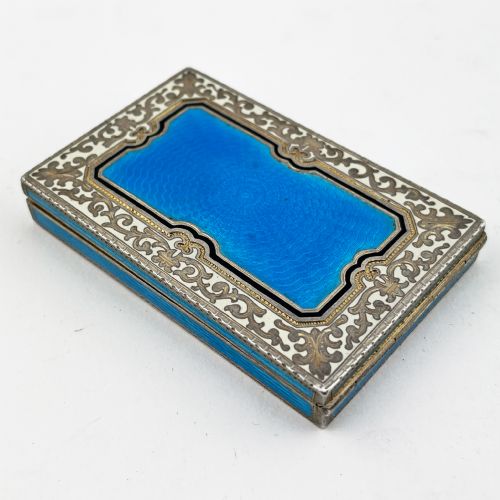

Silver Gilt and Enamel
Silver gilt and enamel objects combine precious metalwork with fused glass colour, creating miniature treasures designed to catch the light.
Silver Gilt and Enamel
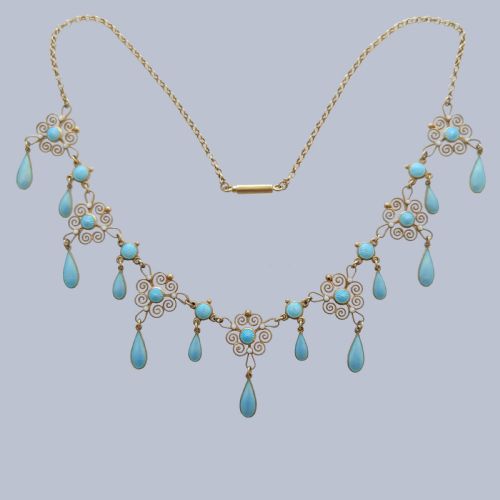
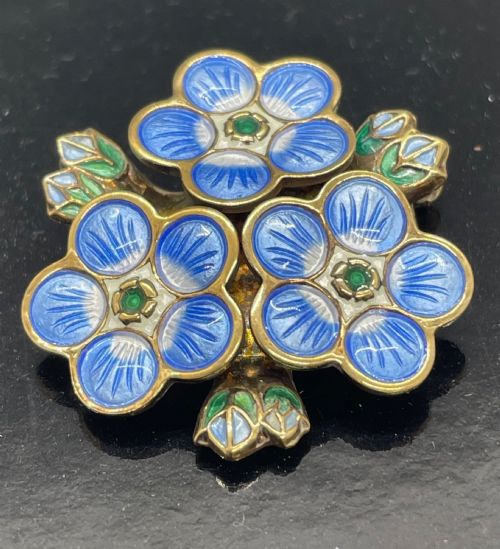
When you search for silver gilt and enamel, you encounter a diverse array of decorative items spanning from the nineteenth century through the mid-twentieth century. The selection ranges from personal adornments like brooches, pendants, earrings and necklaces to functional tablewares such as spoons, napkin rings, boxes and timepieces.
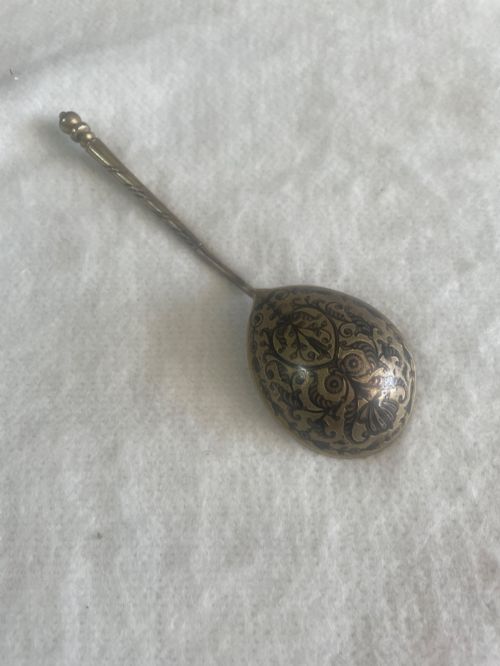
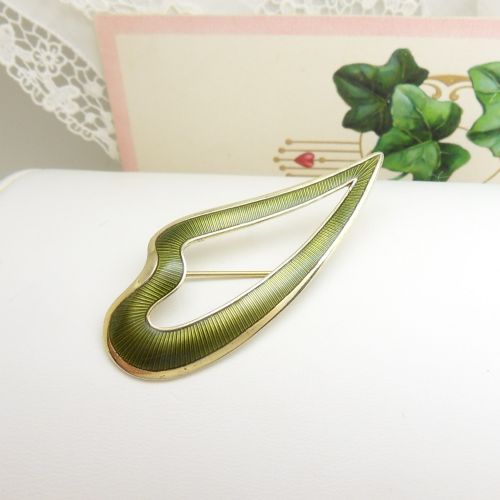
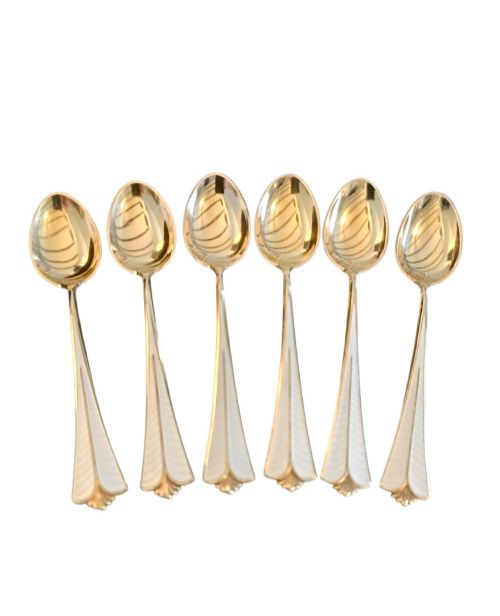
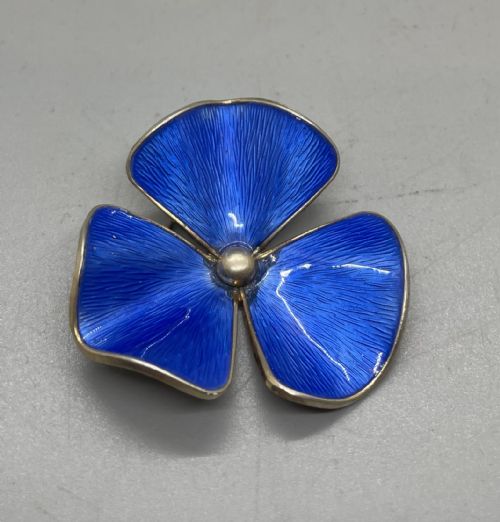
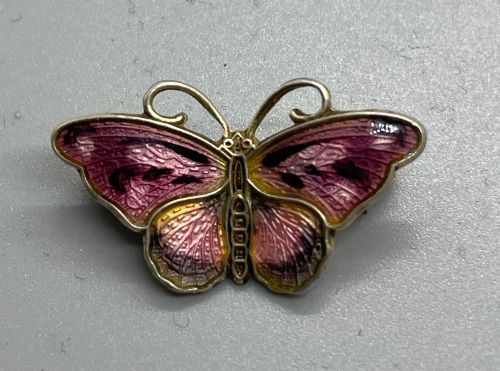
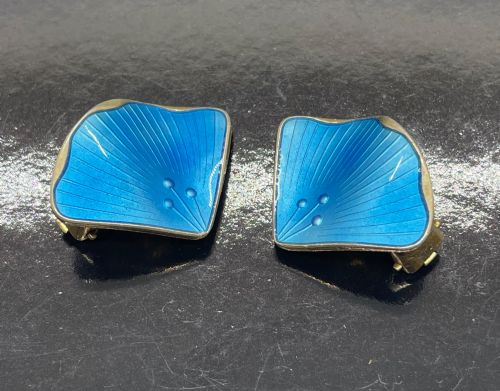
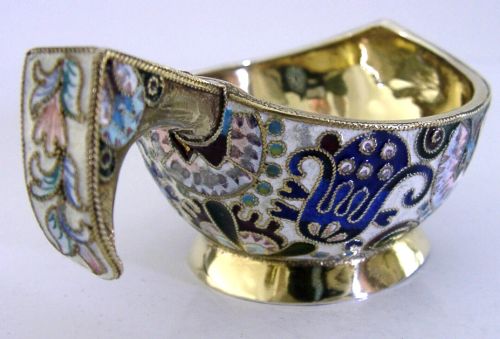
Scandinavian makers dominate the forms on this page, particularly through vibrant guilloche enamel brooches and coffee spoons produced in Norway and Denmark during the twentieth century. Alongside these northern pieces, Russian cloisonne and nielo spoons, French scent bottles, and Austro-Hungarian pendants appear from earlier Victorian and Edwardian periods.
The objects serve primarily as wearable art or decorative accessories, uniting precious sterling silver or gold gilt surfaces with intricate vitreous decoration. Each piece reflects the specific stylistic movements of its era, moving from organic Art Nouveau botanical motifs to geometric Art Deco patterns and Scandinavian modernism.
How they were made
Makers construct these items using a foundation of silver, frequently coated in a thin layer of gold known as silver gilt, sterling silver or solid silver. Artisans then apply vitreous enamel, a powdered glass substance fused to the metal base through intense heat in a kiln.
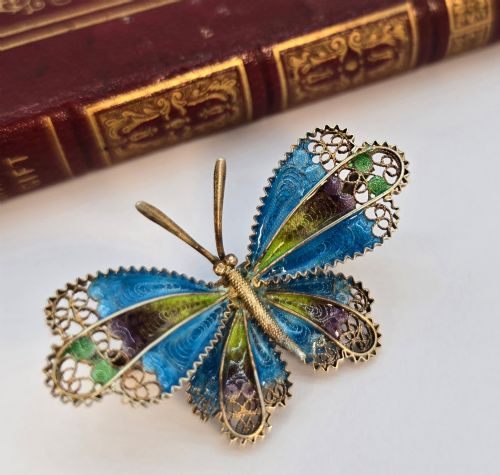
Specialised techniques define the visual texture of the enamel work across different periods and regions. Guilloche involves engine-turning a geometric pattern into the metal beneath translucent enamel, whilst plique-a-jour suspends enamel within a transparent framework without a backing metal, resembling miniature stained glass.
Silver Gilt and Enamel Retail Price Guide 2026
Typical asking prices for silver gilt and enamel among the pieces listed under this phrase on Sellingantiques today, from the lower quarter to the upper quarter. They describe what is for sale here now, not the wider market.
Listings feature items spanning the Victorian era through the mid-twentieth century, with a strong representation of Scandinavian guilloche enamel.
What varies in quality
The standard of execution in the enamel work determines the distinction between ordinary production and exceptional craftsmanship. Superior pieces exhibit flawless glass fusion without bubbles or uneven thickness, alongside crisp, deeply cut engine-turning beneath translucent coloured layers.
The complexity and refinement of the underlying silver gilt mounts dictate the overall calibre of an item. Finely chased metal details, secure stone settings involving pearls or citrines, and intact original gilding separate workshop masterpieces from standard commercial output.
Marius Hammer·David Andersen·Aksel Holmsen·Gustav Gaudernack·Heinrich Levinger·Meyle And Mayer·Vasily Agafonov·Khlebnikov
The Silver Gilt and Enamel Glossary
- Silver gilt
- Silver that has been coated with a thin layer of gold. This treatment provides the warm golden appearance of gold whilst utilising a silver base.
- Vitreous enamel
- A material made by fusing powdered glass to a metal substrate by firing. It creates a smooth, durable coloured surface that resists tarnishing.
- Guilloche
- A decorative engraving technique where a precise, intricate geometric pattern is mechanically etched into metal. Translucent enamel is then applied over the top to let the pattern show through.
- Plique-a-jour
- An enamelling technique where the enamel is applied within open cells of metal, lacking a backing. This allows light to shine through the coloured glass like a miniature window.
- Cloisonne
- An ancient technique where metal wires are soldered to a base to create compartments, which are then filled with enamel paste before firing.
Silver Gilt and Enamel: Frequently Asked Questions
What is silver gilt?
Silver gilt is sterling silver that has received a microscopic or thin coating of gold. This technique offers the rich aesthetic of solid gold while maintaining the structural properties of silver beneath.
Historically, makers utilised this method on spoons, boxes, and decorative items to prevent tarnishing and to enhance the visual contrast against brightly coloured enamel.
How do I care for enamel?
Enamel is essentially glass fused to metal, meaning it requires gentle handling to prevent scratching or chipping. Clean pieces using a soft cloth and lukewarm soapy water, avoiding harsh chemical dips or abrasive silver polishes that might damage the glass surface.
Store items individually in soft pouches to protect the delicate guilloche patterns and prevent neighbouring pieces from scratching the vitreous decoration.
What is guilloche enamel?
Guilloche enamel involves machining a precise geometric pattern into a silver base using a specialised lathe. Translucent coloured enamel is subsequently fired over the engraved metal, creating a shimmering depth that catches the light.
This technique became particularly popular during the Art Nouveau and Art Deco periods, frequently appearing on Scandinavian brooches, compacts, and miniature timepieces.
How do I identify Russian silver?
Russian silver items often feature traditional kokoshnik or zolotnik assay marks alongside specific workshop cyphers. Pieces from this tradition frequently showcase nielo work or vibrant cloisonne enamel set into solid silver gilt structures.
Examining the underside or edges of spoons, boxes, and cups usually reveals these stamped hallmarks, which indicate the purity of the metal and the provenance of the maker.