
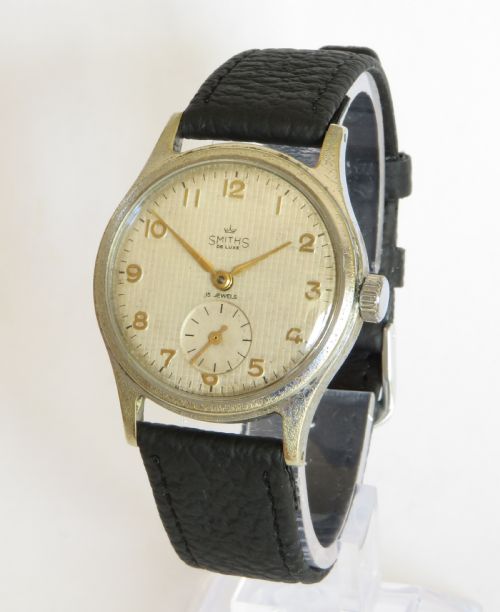
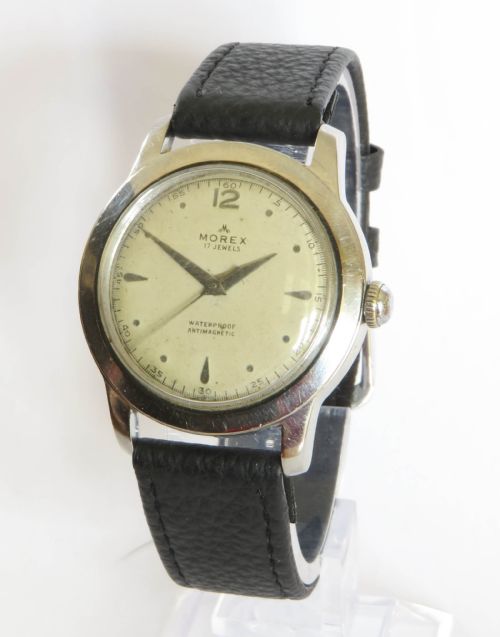
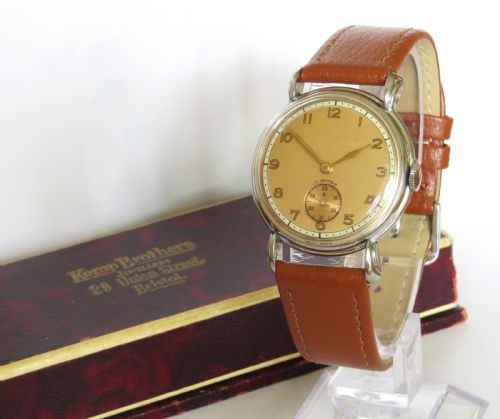
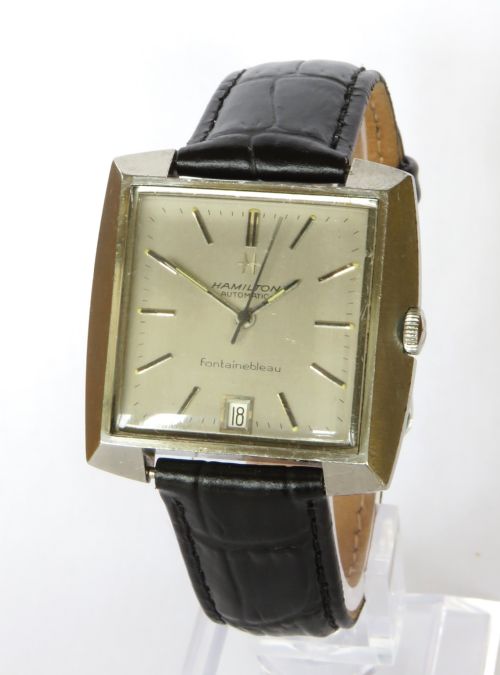

Silver Gents Wristwatch
A silver gents wristwatch delivers character and mechanical honesty on the wrist, drawing collectors to decades of horological design.
Silver Gents Wristwatch
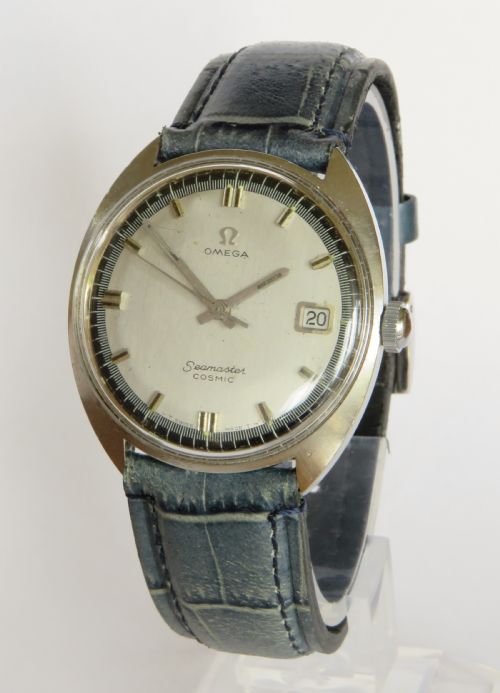
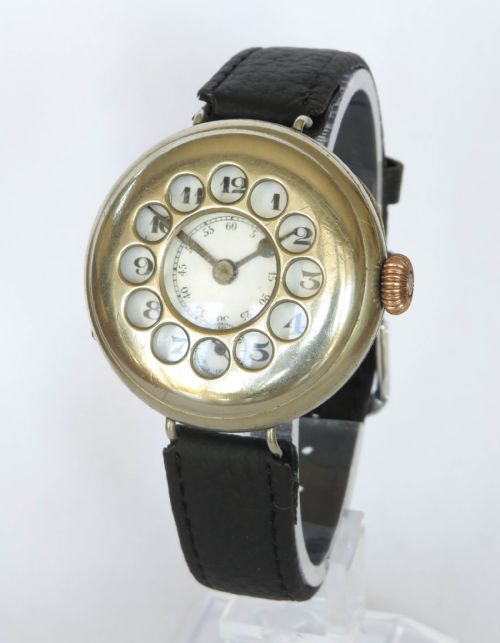
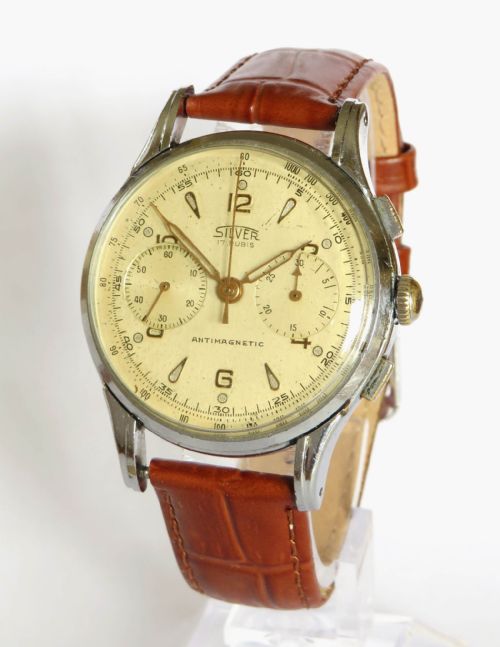
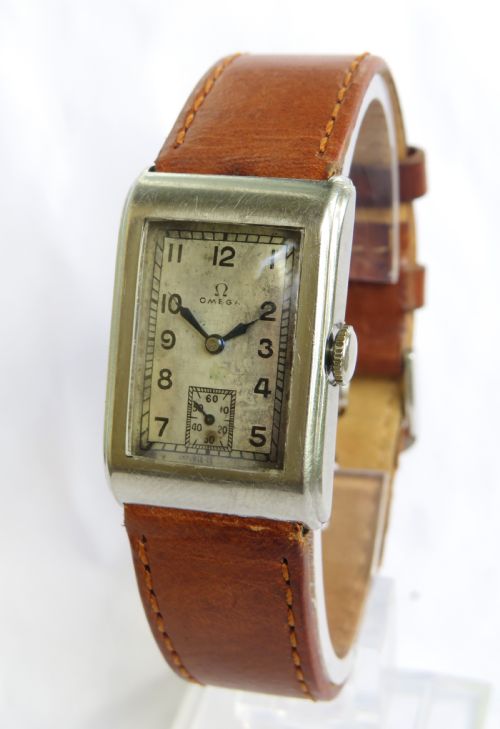
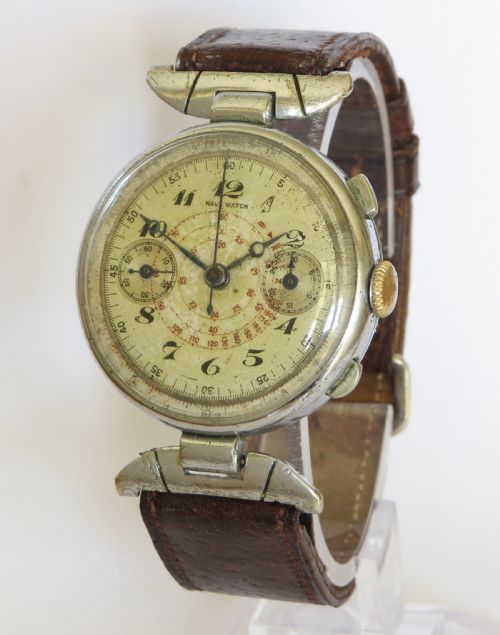
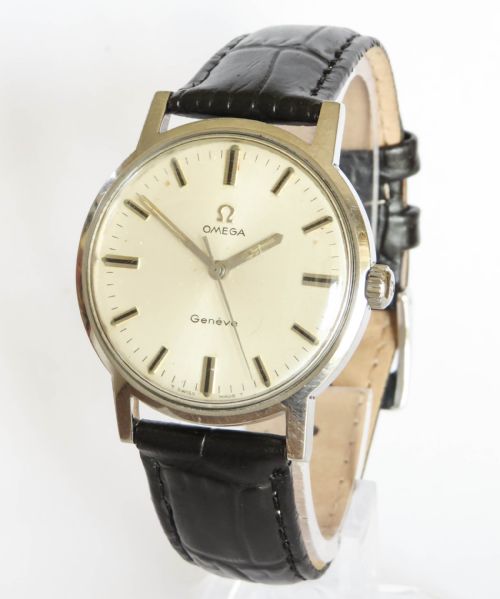
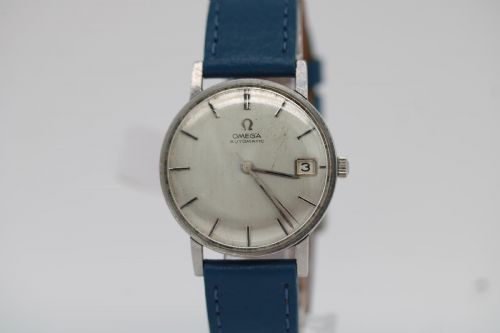
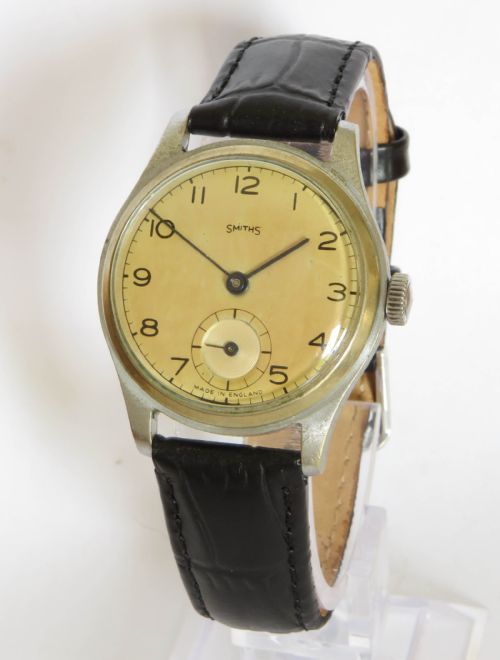
A silver gents wristwatch gathers decades of horological output spanning from the 1910s through to the 1970s. Buyers searching this phrase encounter utilitarian trench watches from the First World War alongside elegant Art Deco cushion cases and robust mid-century chronographs.
The pieces appearing here range from military issues to civilian dress pieces, with Swiss and British makers heavily represented. Examples include robust waterproof designs and refined dress watches from periods marked by distinct shifts in dial geometry and casing style.
Materials and construction
Cases combine solid silver, chrome, brass, and stainless steel, paired frequently with supple leather straps. Dials utilise enamel finishes and acrylic crystals to protect intricate mechanical movements.
Construction methods rely on traditional manual-winding and automatic movements housed within specialised casing. Protective elements like shrapnel guards and hermetic seals reflect the functional demands of military and aviator pieces.
Listings feature silver materials alongside stainless steel and chrome across periods spanning from the First World War to the 1970s.
Distinctions in standard
Quality varies according to the precision of the movement and the preservation of original dial components. Pieces retaining unpolished cases and signed factory dials stand apart from examples with replacement parts or heavily worn plating.
The sophistication of the internal caliber, from basic pin-pallet mechanisms to high-jewel chronographs, dictates the mechanical standard. Original branding and crisp hallmarks on silver cases further distinguish superior examples.
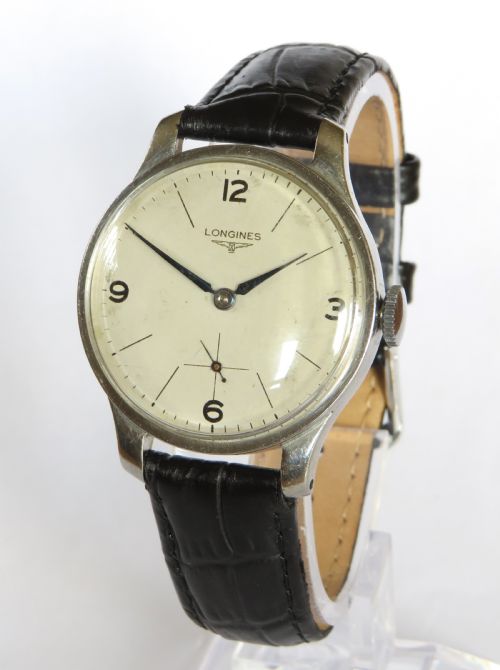
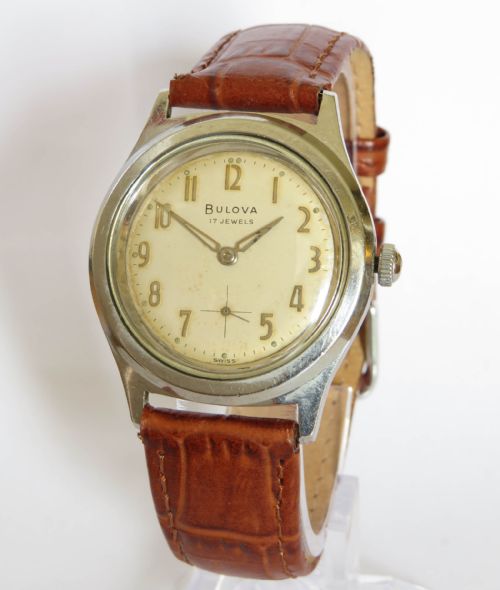
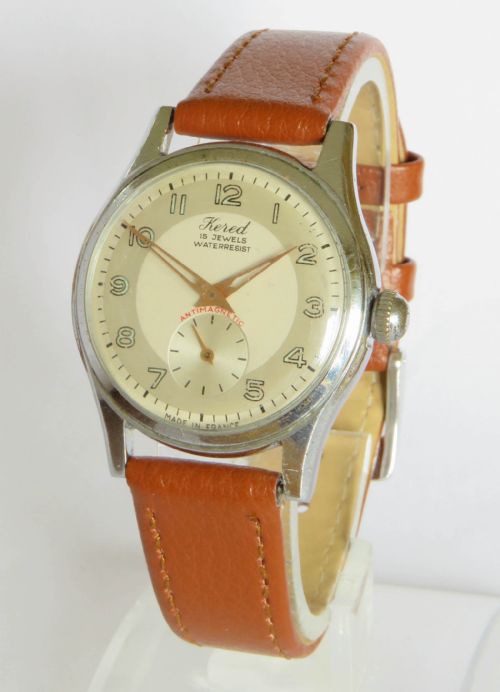
Montilier·Hamilton·Omega·Antoremi·Hahn Landeron·Seiko·Smiths·Longines·Bulova·Kered·Roamer·Rotary·Marvin·Eterna·Girard Perregaux·Dogma Prima·Zenith·Tissot·Invicta·West End Watch Co·Morath·Thomas Russell·Ingersoll
The Silver Gents Wristwatch Glossary
- Chronograph
- A watch with a stopwatch function alongside the primary timekeeping hands. These complicated movements often feature subsidiary dials for measuring elapsed seconds and minutes.
- Cushion case
- A watch case shaped with a square profile and softly rounded corners. This geometric style gained popularity during the Art Deco period.
- Calibre
- The specific internal mechanical movement manufactured for a watch. Collectors reference this to identify the specific machinery driving the timepiece.
- Hermetic
- A specialised casing design intended to seal out moisture and dust. These early waterproof precursors often utilised threaded bezels and casebacks.
- Shrapnel guard
- A removable metal grid fitted over the crystal of a military wristwatch. This protective accessory shielded the glass from impact during combat.
Silver Gents Wristwatch: Frequently Asked Questions
How do I wind a manual vintage wristwatch?
Turn the crown clockwise between your thumb and forefinger until slight resistance indicates the mainspring is fully wound. Avoid forcing the crown past the stopping point to prevent damaging the internal components.
Most vintage pieces require daily winding at a consistent time to maintain accurate timekeeping throughout use.
Are these vintage watches waterproof?
Early wristwatches lack modern sealing technology and gaskets, making them vulnerable to moisture intrusion. Even pieces marked as hermetic or waterproof should be kept away from water.
Condensation can quickly damage delicate dials and rust untreated steel movements inside the case.
How can I date a silver gents wristwatch?
Examine the hallmarks stamped inside the silver caseback for assay office symbols and date letters. Movement serial numbers and distinctive styling cues like dial typography also help determine the decade of production.
Comparing the design against documented manufacturing periods narrows down the exact year of origin.
How should I care for a leather watch strap?
Keep leather straps away from prolonged exposure to water, sweat, and direct sunlight to prevent cracking and discoloration. Conditioning the leather periodically preserves its flexibility.
Many collectors swap vintage leather bands for daily wear to protect fragile original straps from degradation.