
Silver Gents Timepiece
A silver gents timepiece represents decades of precise mechanical craft, offering tangible historical character for daily wear.
Silver Gents Timepiece
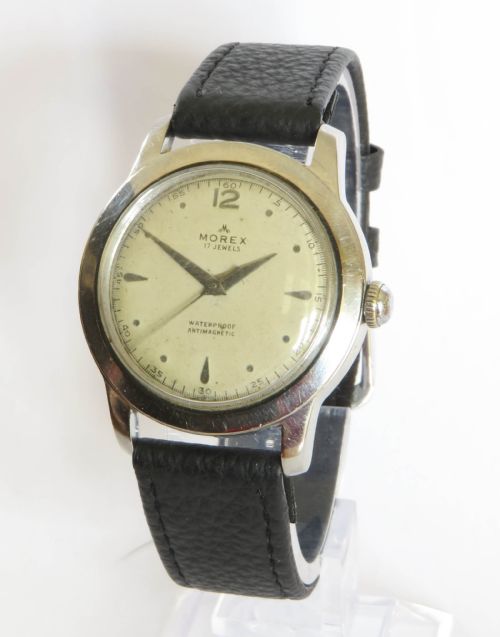
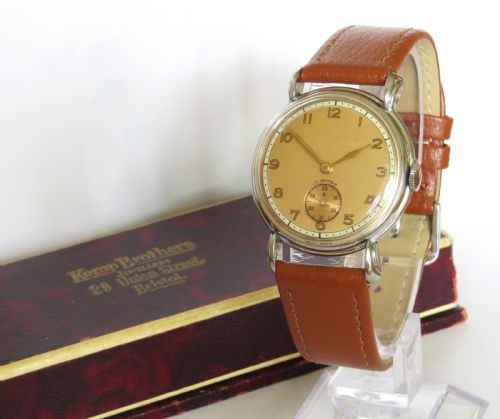
A silver gents timepiece encompasses traditional pocket watches and wristwatches produced across several distinct eras. Buyers exploring this category encounter pieces originating from the Victorian period through to the 1970s, reflecting changing mechanical preferences over the decades.
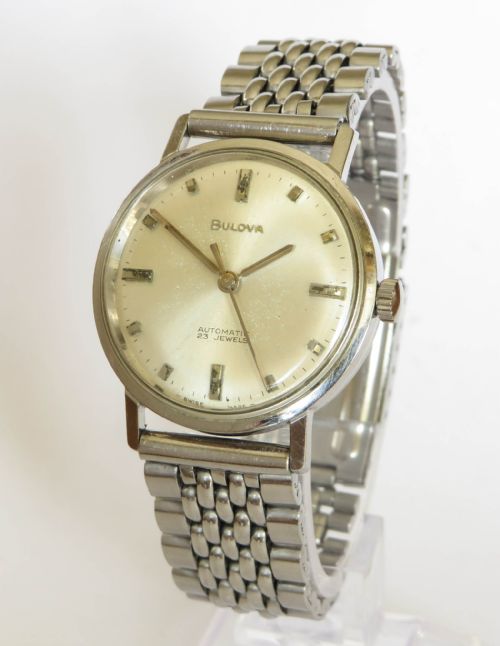
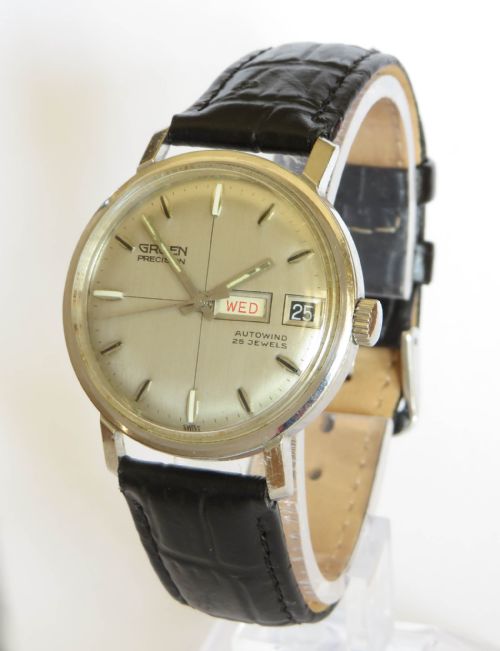
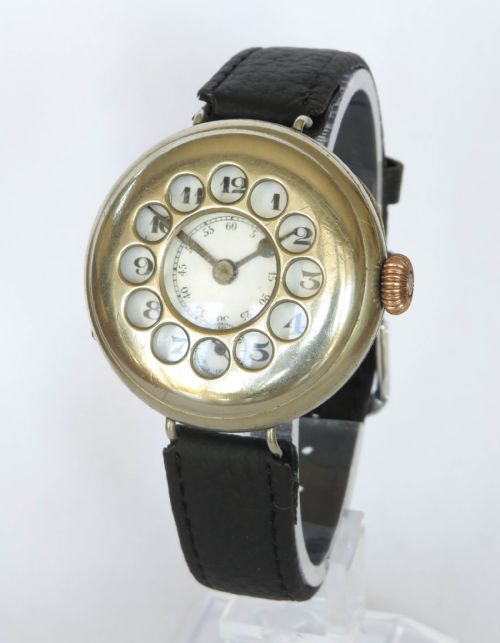
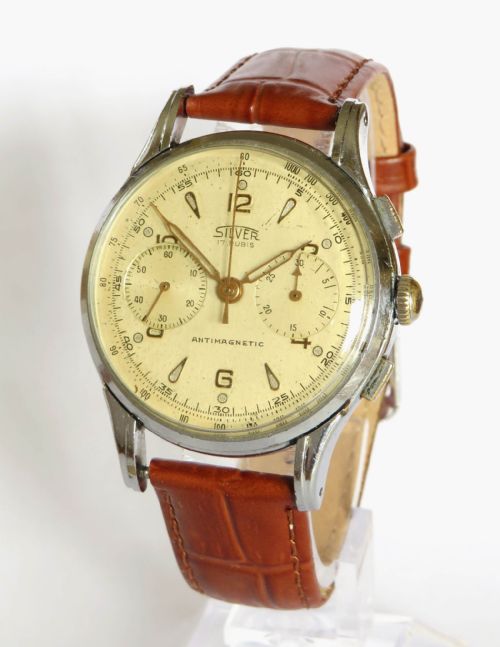
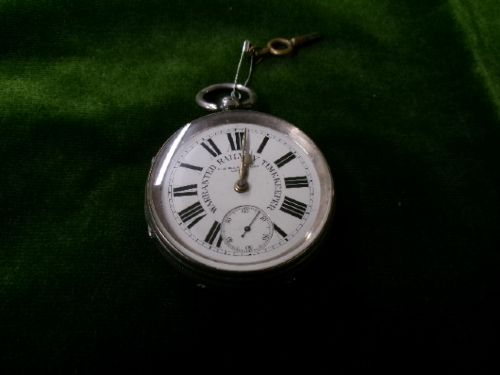
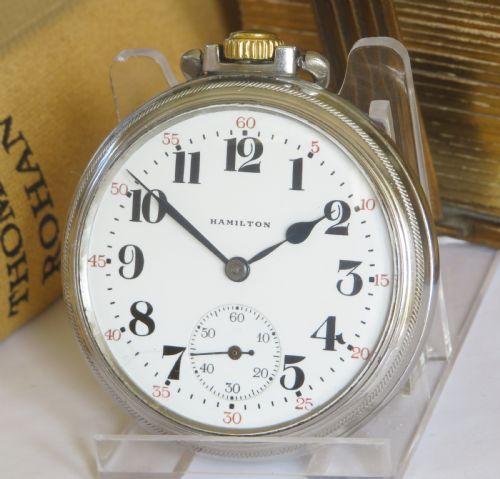
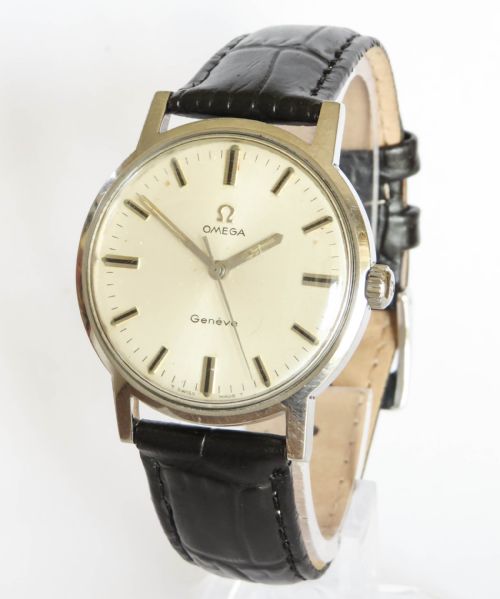
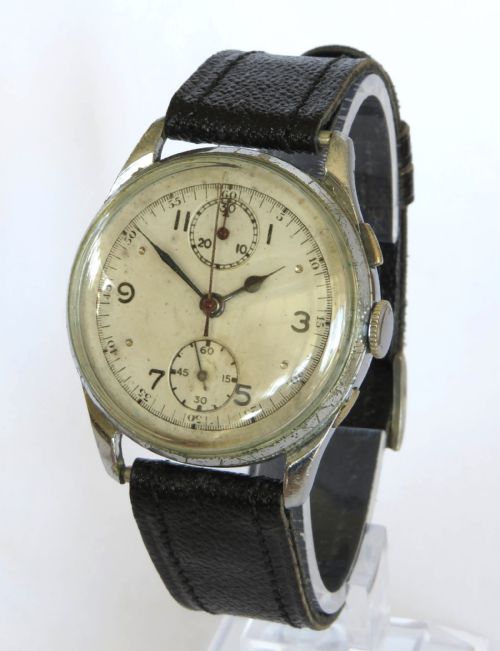
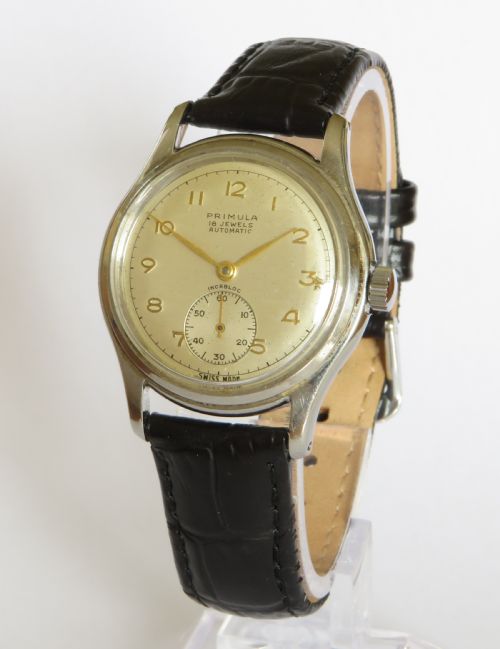
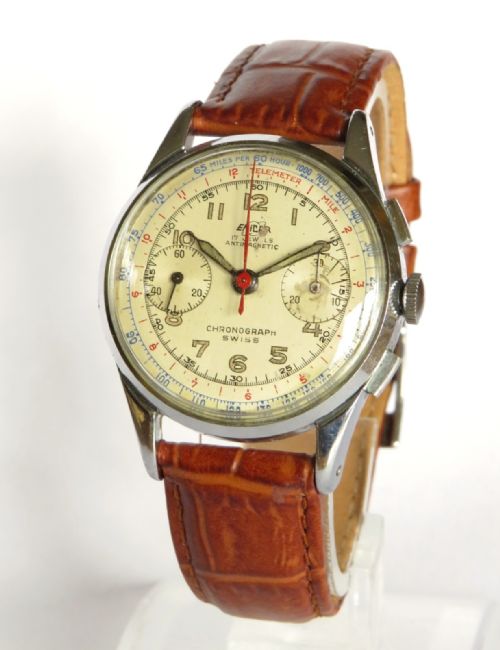
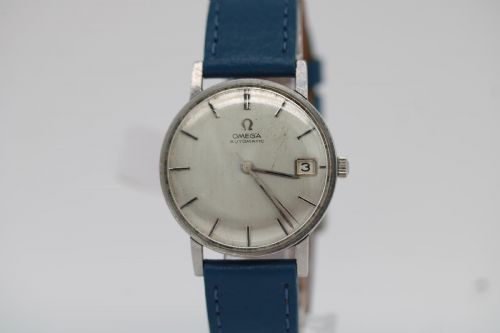
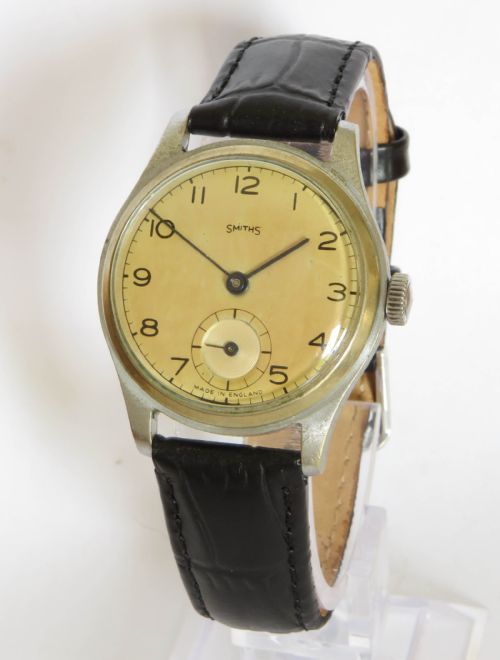
Wristwatches dominate the selection, spanning styles from Art Deco manually wound models to mid-century automatic chronographs and military issues. Pocket watches also appear, represented by Victorian railway timekeepers and early twentieth-century silver cases with ceramic dials.
Origins vary widely, including British, Swiss, French, and German manufacturing, often paired with leather straps, stainless steel components, or protective shrapnel guards. Each silver gents timepiece captures the specific aesthetic and functional priorities of its respective decade.
Materials and construction methods
Construction relies heavily on traditional metals, combining sterling silver cases with brass movements, glass crystals, and enamel dials. Leather straps frequently secure wristwatches, while specialist military versions incorporate chrome, acrylic, and steel.
Movements utilise intricate mechanical gears, jewelled bearings, and manual or automatic winding systems designed by established makers. Cases often bear hallmark stamps indicating assay offices, silver purity, and dates of manufacture.
Listings span periods from Victorian pocket watches through to 1970s retro wristwatches.
Assessing quality in horological pieces
Quality rests upon the preservation of the original movement, dial legibility, and the crispness of case hallmarks. Pieces maintaining unpolished silver surfaces and clean, functioning internal calibres demonstrate superior preservation.
The complexity of the mechanism also dictates distinction, separating simple manual three-hand watches from complex chronographs, calendar complications, and automatic movements. Original fitted dials without excessive restoration command greater appreciation from collectors.
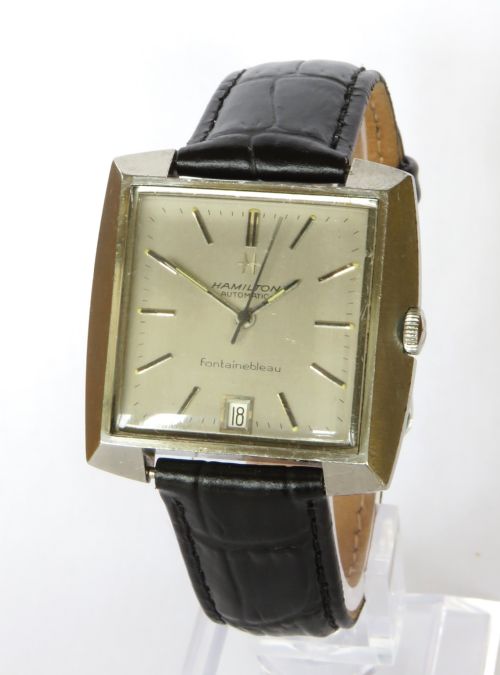
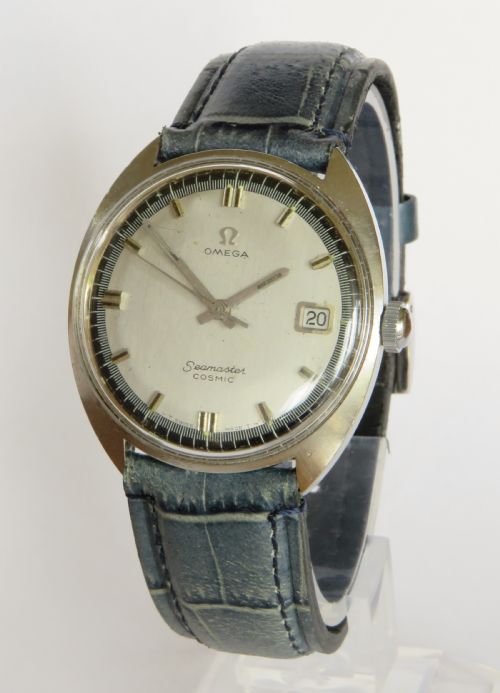
Montilier·Hamilton Fontainebleau·Omega Seamaster·Bulova·Gruen Precision·Antoremi·Venus·Primula·Enicar·Smiths·Prefect·Longines·Kered·Roamer·Rotary·Marvin·Eterna·Girard Perregaux·Tissot Seastar·Phoenix Indestructible·Larex·Stauffer IWC
The Silver Gents Timepiece Glossary
- Chronograph
- A watch with a stopwatch function alongside standard timekeeping displays. These mechanisms use independent sweep hands controlled via pushers on the case.
- Calibre
- The specific internal movement design or model created by a watch manufacturer. Collectors reference this code to identify the exact mechanical generation.
- Hallmark
- An official stamp applied to precious metals indicating purity, origin, and assay date. Silver cases often display these marks inside the outer back cover.
- Hermetic
- A design style featuring an inner dust cover or sealed case construction to protect the movement from moisture. Such designs were popular during the early twentieth century.
- Shrapnel guard
- A protective metal grille fitted over the glass crystal of a wristwatch during military service. These removable covers protected watches from battlefield impacts.
Silver Gents Timepiece: Frequently Asked Questions
How do I wind a manual silver gents timepiece?
Rotate the crown clockwise between your thumb and forefinger until you feel gentle resistance. Stop immediately to avoid damaging the internal mainspring.
Wind the piece at approximately the same time each day to maintain consistent tension and accurate timekeeping performance.
Can I wear a vintage silver watch daily?
Many vintage watches function well for daily wear if treated with care and kept away from water and strong magnetic fields. Leather straps allow for comfortable everyday fitting.
Older mechanical movements lack modern shock protection, so remove the watch during strenuous physical activities.
How do I identify the production date?
Examine the inside case back for silver hallmarks, stamped serial numbers, or maker inscriptions. British silver cases often feature assay office letters that date the metal precisely.
Movement serial numbers can also be cross-referenced against manufacturer archives to determine the year of creation.
What is the difference between manual and automatic?
Manual watches require daily hand winding via the crown to store energy in the mainspring. Without regular winding, the movement stops.
Automatic watches contain a weighted internal rotor that swings with the natural motion of the wearer's wrist, winding the mainspring automatically throughout the day.