



Silver Fruit Bowl Stand
A silver fruit bowl stand holds fruit with high theatricality, bringing elevated dining forms to the table.
Silver Fruit Bowl Stand
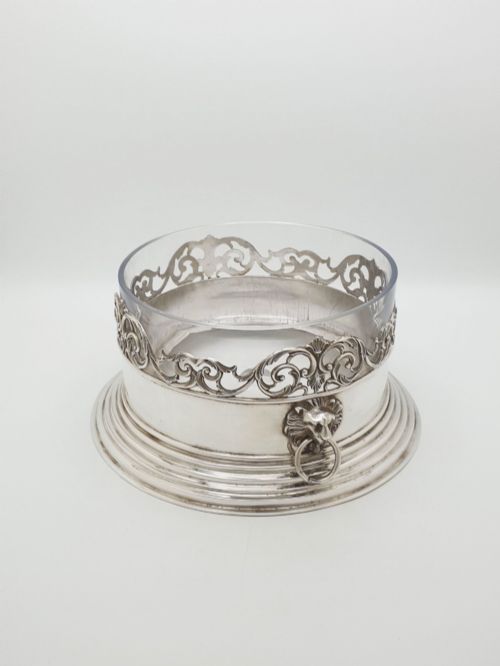
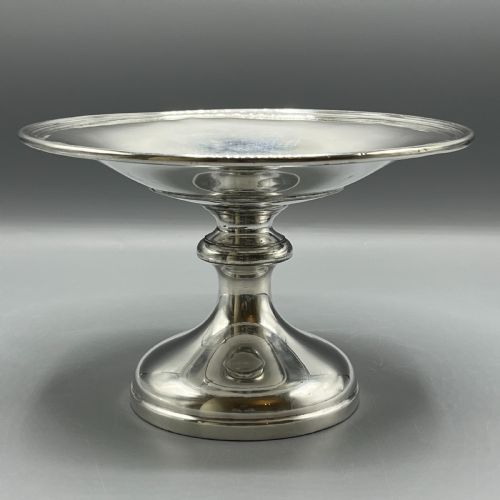
A silver fruit bowl stand combines a raised metal base with an open vessel, serving as a focal point for the dining table. These pieces range from simple pedestal dishes to elaborate centrepieces designed to hold fresh produce.
The selections encountered here span the nineteenth and early twentieth centuries, featuring distinct iterations from the Victorian, Edwardian, and Art Nouveau periods. Makers utilised silver plate, sterling silver, pewter, and Old Sheffield plate to construct these elevated serveware pieces.
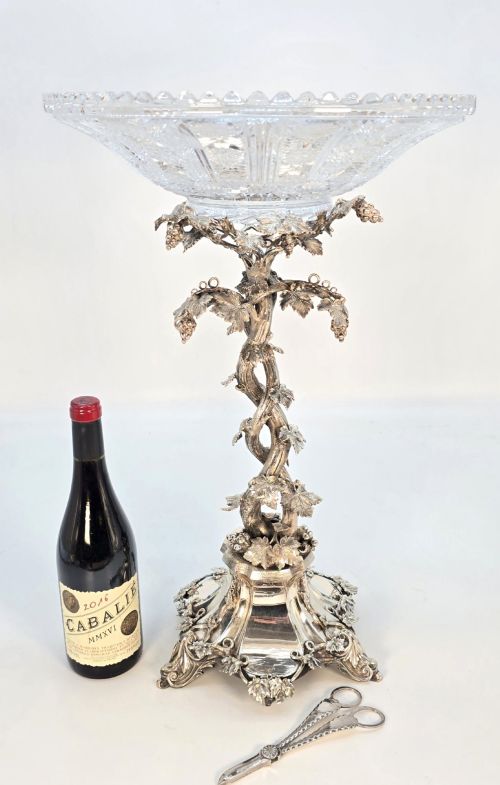
Forms include tazzas, epergnes, comports, and baskets, often accompanied by fitted glass liners or cut crystal bowls. These stands functioned originally as ceremonial table centrepieces for formal dining.
Materials and construction methods
Metals such as sterling silver and silver plate form the structural framework of these stands, shaped through casting, spinning, and piercing techniques. Old Sheffield plate employs a fused layer of silver over a copper base, visible along exposed edges.
Glass components, including cut crystal and opaline glass, are heavily wheel-cut, etched, or moulded to fit securely within the metal frames. Pewter and silvered bronze serve as alternative structural materials, particularly in continental productions from the turn of the twentieth century.
Silver Fruit Bowl Stand Retail Price Guide 2026
Typical asking prices for silver fruit bowl stand among the pieces listed under this phrase on Sellingantiques today, from the lower quarter to the upper quarter. They describe what is for sale here now, not the wider market.
Several stands feature nautical motifs, including silvered sailors supporting glass bowls for a truly maritime dessert service.
Distinctions in quality
The refinement of the metalwork defines the upper tier of these pieces, showing crisp chased detail and substantial weight rather than thin, pressed sheets. Pierced designs exhibit clean, hand-finished edges without ragged casting flaws.
The integration between metal stand and glass insert marks superior craftsmanship, where crystal bowls sit flush and heavy cut glass displays deep, sharp facets. Maker marks from established firms indicate higher standards of workshop production.
Walker & Hall·WMF·James Deakin·James Dixon & Sons·Christofle et Cie
The Silver Fruit Bowl Stand Glossary
- Tazza
- A shallow bowl or plate mounted on a stem and foot, commonly used for serving fruit or sweetmeats. This form dates back to the Renaissance and remained popular through the Victorian era.
- Épergne
- A large, multi-tiered centrepiece featuring a central basket surrounded by smaller hanging dishes or branch arms. They are typically fashioned from silver and cut glass.
- Old Sheffield plate
- An early method of fusing a thin sheet of silver to a thicker copper ingot before rolling and shaping. Items made this way often reveal a reddish copper line where the silver wears thin.
- Comport
- A decorative dish raised on a high foot, used for presenting fruit at the end of a meal. They share similarities with tazzas but often feature deeper bowls.
- Silver plate
- A base metal coated with a thin layer of silver through electroplating or mechanical bonding. This technique allowed manufacturers to produce elaborate tableware at a lower cost than solid sterling.
Silver Fruit Bowl Stand: Frequently Asked Questions
What is a silver fruit bowl stand used for?
These stands functioned historically as the centrepiece of a formal dining table, holding fruit or decorative arrangements. They elevated the display to create a sense of occasion.
Today, they serve equally well as decorative objects or functional serveware for dining rooms and sideboards.
How do I clean a silver fruit bowl stand?
Clean silver components using a mild silver polish and a soft cloth, avoiding abrasive pads that can wear down thin plating. Take care to remove glass inserts before polishing the metal frame.
Wash glass bowls separately in warm soapy water and dry thoroughly to preserve the clarity of the cut crystal.
How do I date an Edwardian silver stand?
Examine the piece for hallmarking stamps, which typically indicate the assay office, standard of silver, and a date letter specific to the year of manufacture. Edwardian pieces generally date from the early twentieth century.
Stylistic cues such as neoclassical revival motifs or simpler geometric lines also help assign a piece to this era.
Are glass liners original to the stands?
Original glass inserts fit the contours of the metal base precisely and show matching age wear, such as bottom scuffing from movement. Replacement liners often sit loosely or display mismatched manufacturing techniques.
Examining the rim and base of the glass helps determine if it was made alongside the metal stand.