


Silver Framed Wall Mirror
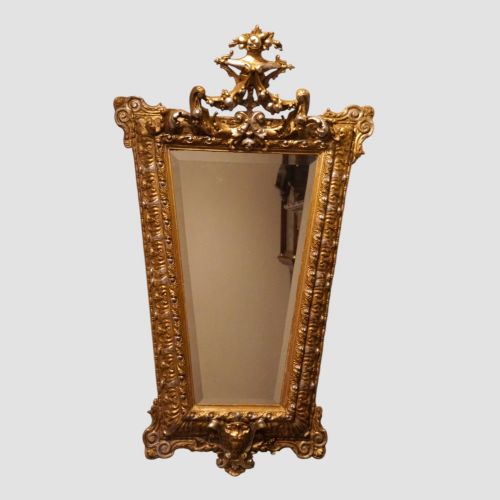
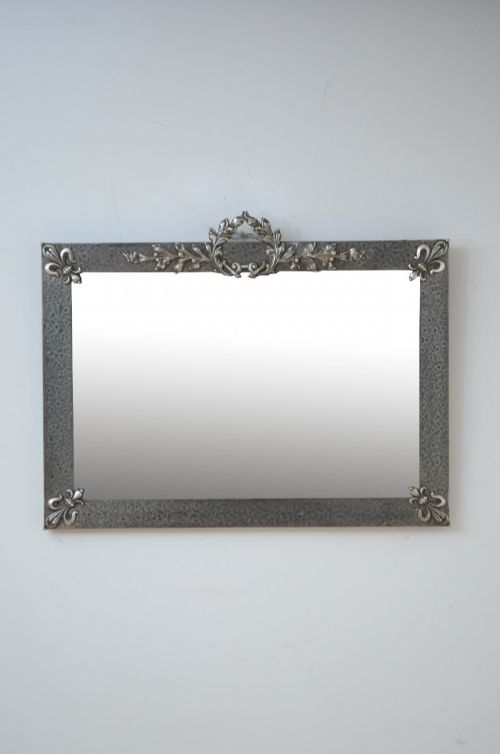
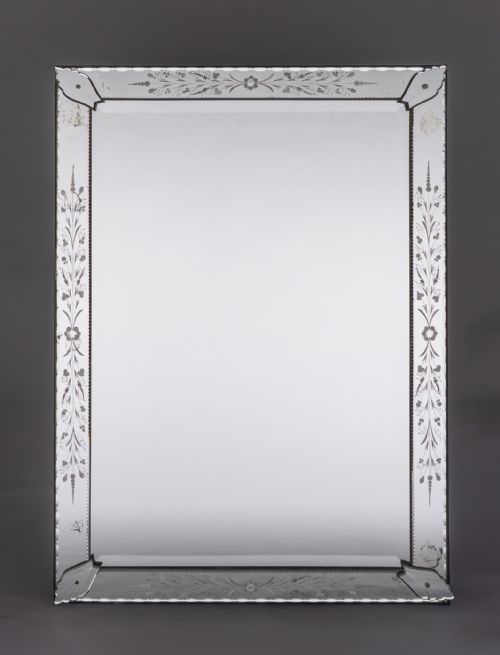
A silver framed wall mirror brings reflective depth and metallic light into a room, spanning styles from Venetian glass to Arts and Crafts metalwork.
Silver Framed Wall Mirror
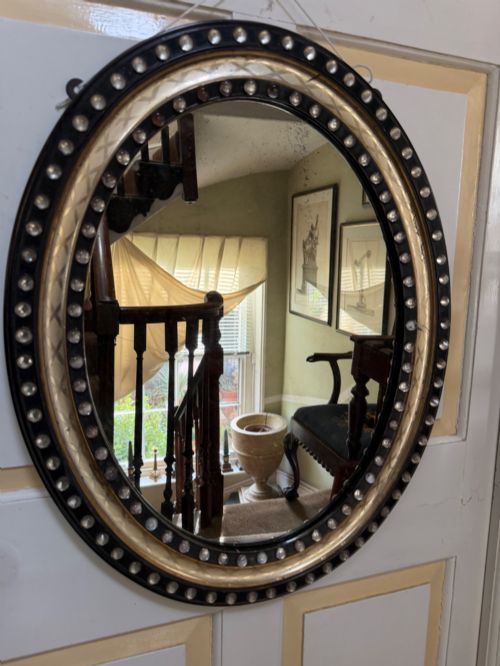
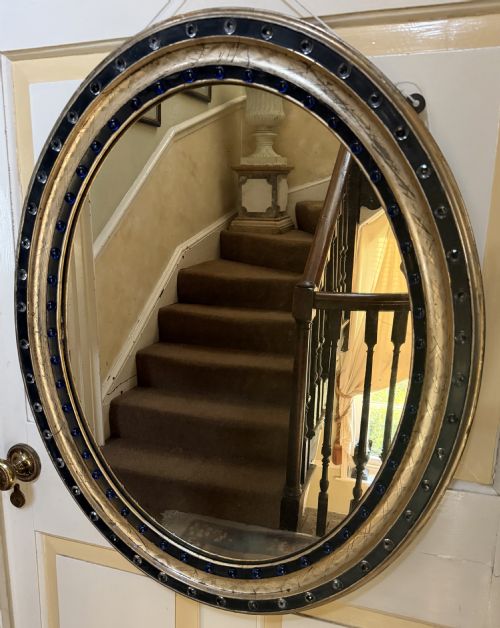
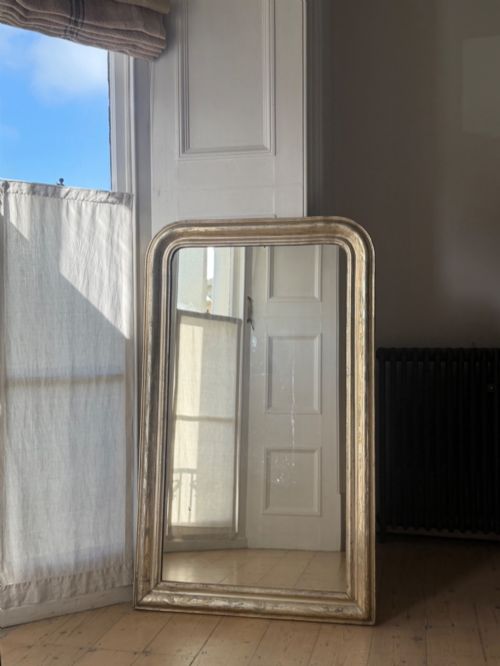
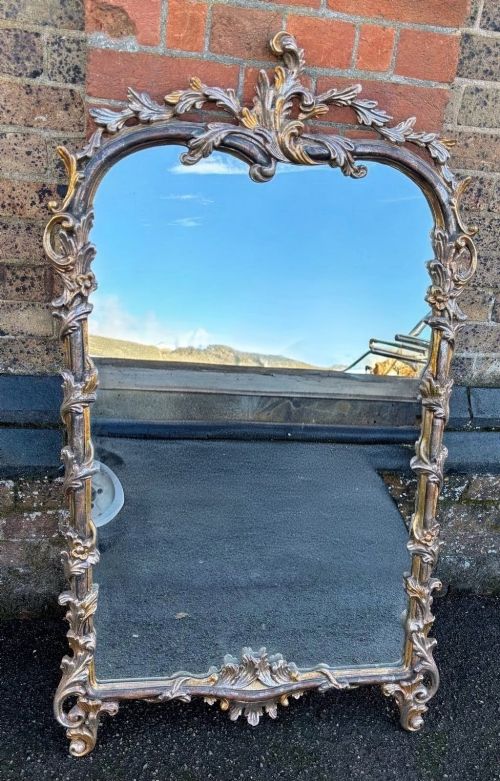
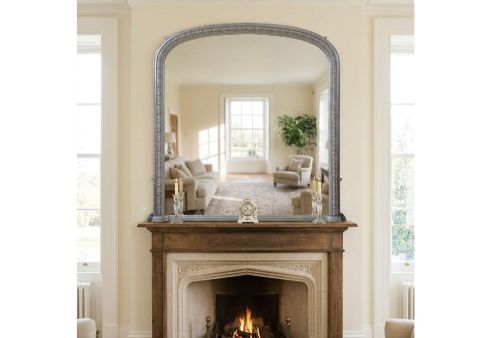
A silver framed wall mirror serves both a practical function and a decorative purpose, hanging in rooms to bounce daylight and create an illusion of space. When searching for a silver framed wall mirror, buyers encounter a diverse range of historical forms, from large nineteenth century overmantels to smaller decorative wall pieces.
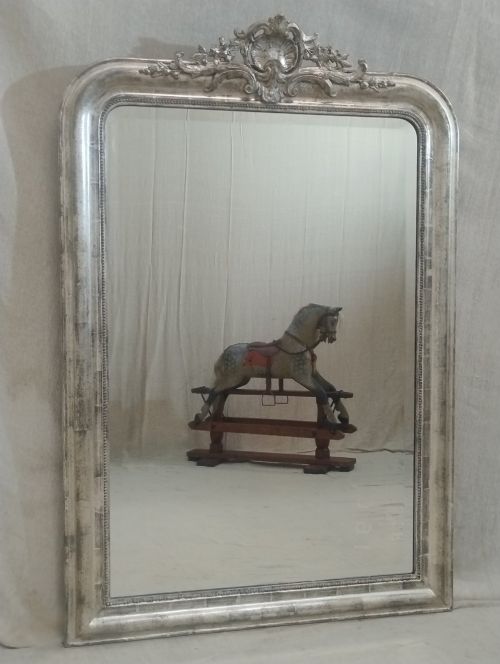
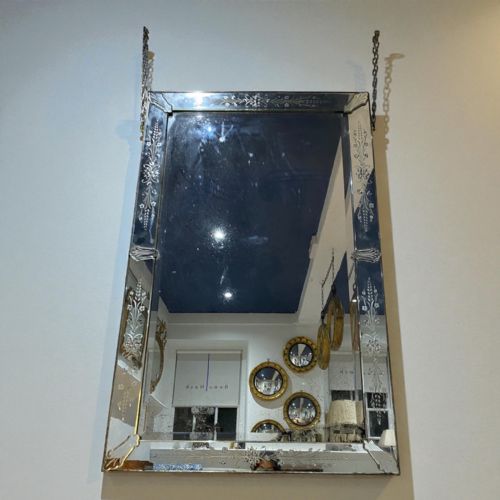
The selection includes distinct regional styles and periods, particularly nineteenth century French designs, Venetian cushion mirrors, and early twentieth century Arts and Crafts metalwork. Overmantel mirrors and architectural arched pieces dominate the larger scale options, whilst smaller hanging mirrors provide accent points for hallways and drawing rooms.
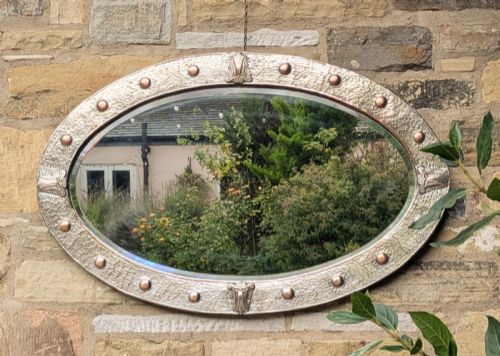
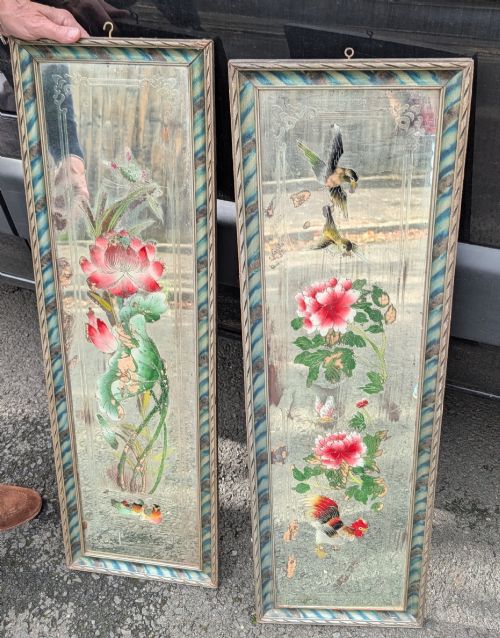
Materials vary widely across these objects, incorporating traditional carved wood and gesso finished in silver leaf, alongside hammered base metals, brass frames, and specialised glass plates such as mercury glass and foxed bevelled plates.
Materials and construction methods
Many historical frames utilise a wooden core shaped with carved gesso, providing a receptive base for the application of silver leaf, parcel gilding, or metallic paint finishes. Artisans built up these decorative mouldings by hand before applying precious metal leaf layers or silvering compounds.
Metalworking techniques define pieces from later periods, utilising hammered sheet metal and brass framing to achieve industrial or Arts and Crafts aesthetics. Frames often incorporate structural wood backing to support heavy mirror plates safely.
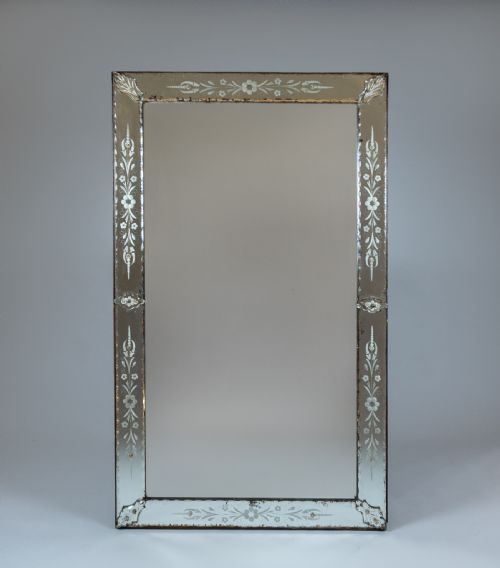
Glass production methods range from traditional mercury glass and early hand-bevelled plates to engraved Venetian glass panels and specialised cabochons. Mirror plates were traditionally secured within the frame using wooden slips and backing boards.
Silver Framed Wall Mirror Retail Price Guide 2026
Typical asking prices for silver framed wall mirror among the pieces listed under this phrase on Sellingantiques today, from the lower quarter to the upper quarter. They describe what is for sale here now, not the wider market.
Listings feature silver framed wall mirrors spanning the seventeenth century through to the nineteen fifties, encompassing Venetian, Victorian, and Art Deco styles.
Assessing quality and craftsmanship
The finesse of the surface finish and the depth of the carving determine the distinction between standard and superior pieces. Hand-carved wooden frames with meticulously applied silver leaf display crisp relief and enduring lustre compared to simpler moulded alternatives.
The character and integrity of the mirror glass contribute significantly to the overall merit of the piece. Original mercury glass plates, bevelled edges, and hand-engraved Venetian details command attention through their optical qualities and period authenticity.
Proportion and architectural harmony separate ordinary examples from exceptional ones. Well-balanced overmantel mirrors and correctly proportioned cushion frames demonstrate thoughtful design and skilled assembly by the original maker.
A.J Rowley
The Silver Framed Wall Mirror Glossary
- Silver Leaf
- Extremely thin sheets of beaten silver applied to gesso and wood frames. This technique provides a continuous metallic surface that patinates over time.
- Mercury Glass
- A double-walled glass blown object containing a silvering mixture poured between the layers, creating a reflective, slightly mottled appearance popular in the nineteenth century.
- Overmantel Mirror
- A large mirror designed specifically to hang above a fireplace mantelpiece. These pieces often feature landscape orientations or arched tops to match architectural proportions.
- Cushion Mirror
- A mirror featuring a frame constructed with outward-sloping or domed panels surrounding the central plate. This style is particularly prevalent in Venetian mirror design.
- Gesso
- A plaster-like mixture applied to wood frames to create a smooth surface for gilding or silvering. Master craftsmen carved intricate details directly into this hardened layer.
Silver Framed Wall Mirror: Frequently Asked Questions
How do I clean an antique silver framed mirror?
Maintenance requires gentle dusting with a soft, dry cloth to protect fragile silver leaf and gesso surfaces. Chemical cleaners should stay away from both the frame and antique glass.
Moisture can damage older silvering and wooden substrates. Apply mild cleaning solutions sparingly to the glass plate only, ensuring liquid does not seep behind the frame edges.
What is an overmantel mirror used for?
An overmantel mirror traditionally anchors the space directly above a fireplace, reflecting ambient light from windows and candles throughout the room. Its horizontal scale complements the hearth.
Placing these large mirrors in living spaces creates an illusion of greater room depth. They also serve as a central decorative focal point for interior arrangements.
How do I date a silver framed wall mirror?
Dating relies on examining the construction materials, frame style, and the manufacturing characteristics of the glass plate. Hand-beveled edges, wood species, and fastener types offer clear chronological clues.
Historical markers like mercury backing, Arts and Crafts hammered textures, or specific regional carving styles align pieces with nineteenth or twentieth century production periods.