



Silver Enamel Pocket Case
A silver enamel pocket case brings together precious metal and vitrified glass in a compact form designed to protect personal items.
Silver Enamel Pocket Case
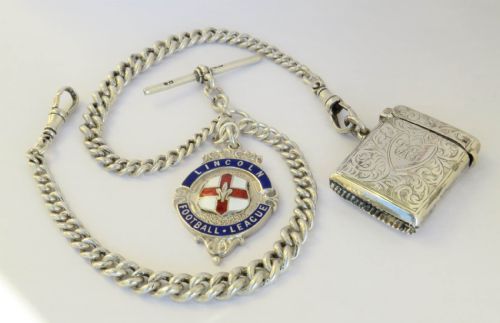
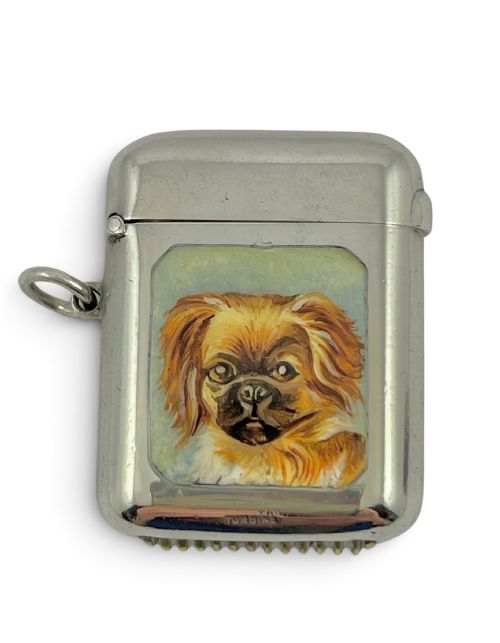
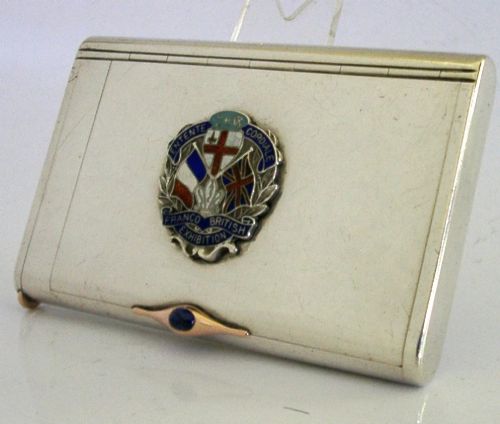
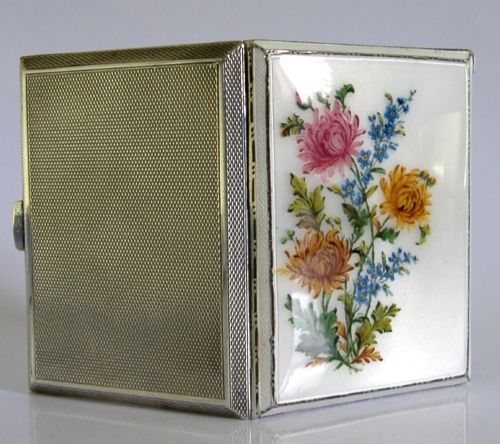
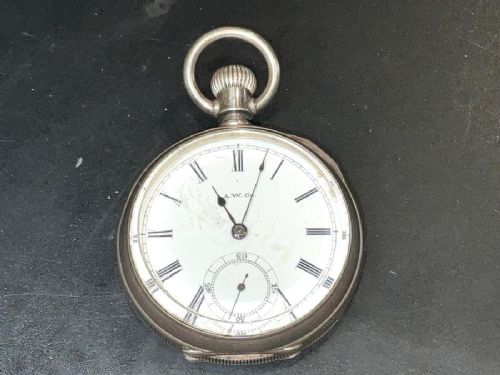
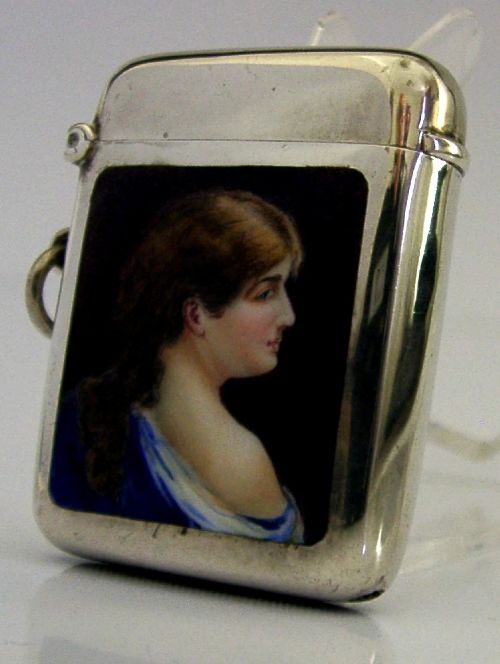
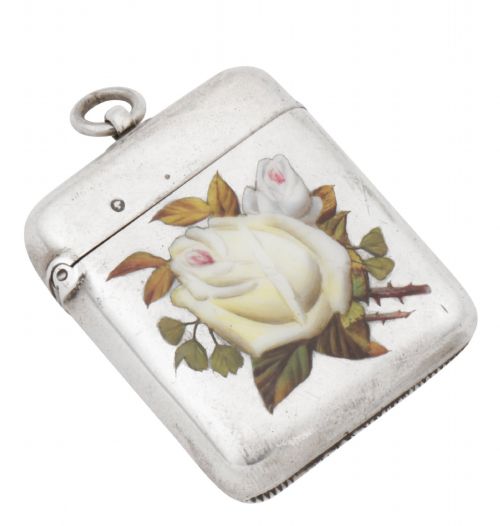
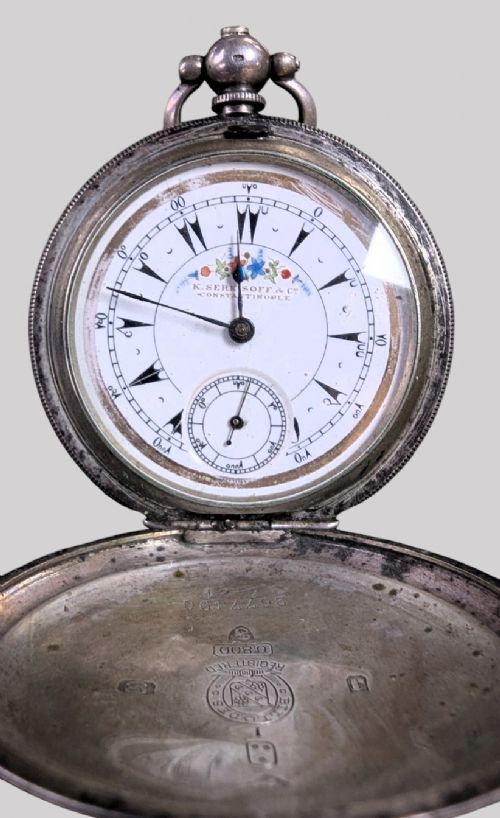
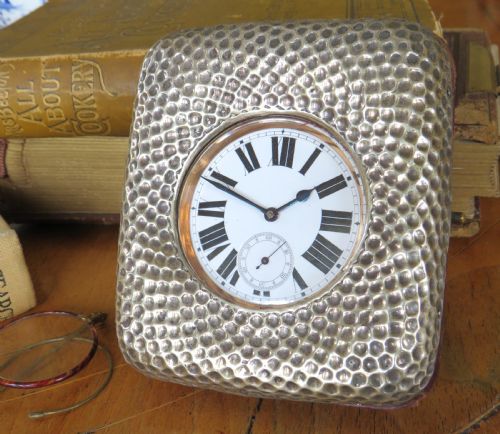
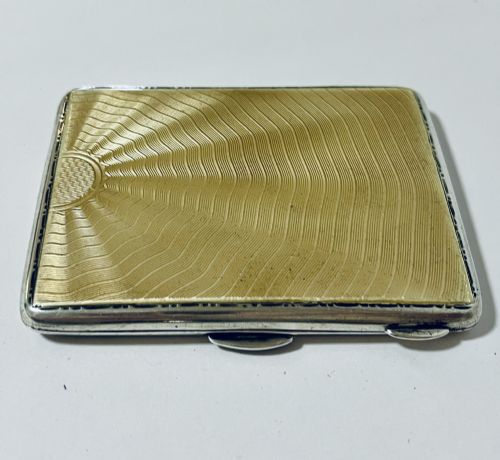
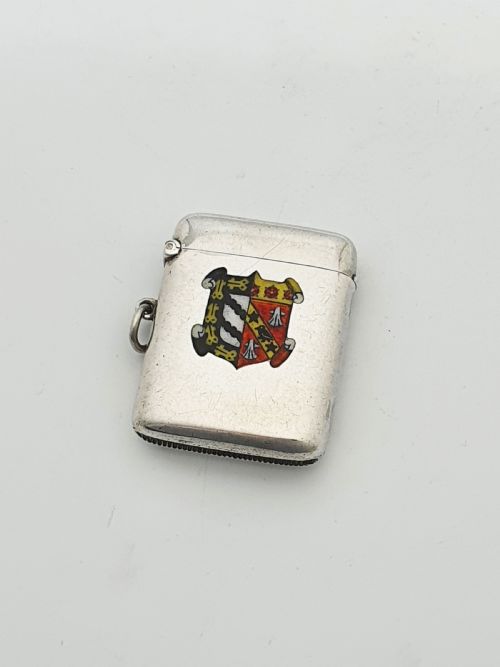
The versions most frequently encountered on this page date from the late nineteenth century through to the 1940s. They range from floral painted cigarette cases to figural vestas and utilitarian pocket watch housings made in Britain and across Continental Europe.
Materials and construction methods
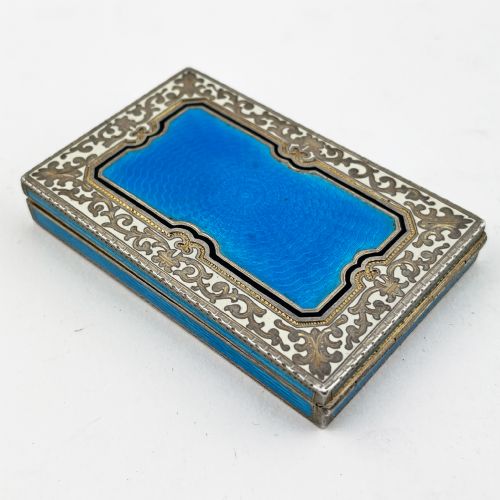
Makers formed the body of each pocket case using sterling silver or silver alloys, often incorporating gold accents, brass, or gilt metal for internal details. The outer shell served as a foundation for vitreous enamel, a powdered glass fused to the metal surface through high-temperature firing.
Decoration relied on hand-painted details or translucent enamel layered over engine-turned metal grounds. Artisans secured these panels within hinged frames or applied them directly to the curved contours of vesta and card cases.
Silver Enamel Pocket Case Retail Price Guide 2026
Typical asking prices for silver enamel pocket case among the pieces listed under this phrase on Sellingantiques today, from the lower quarter to the upper quarter. They describe what is for sale here now, not the wider market.
Distinctions in manufacture and preservation
Quality rests in the precision of the metalwork and the integrity of the enamel surface. Superior pieces display crisp hand-painted details, such as figurative subjects or botanical motifs, executed without chipping or hairline fractures in the glass.
The refinement of the hinge action and the clarity of hallmarks stamped into the silver also separate standard production items from finer workshop pieces.
William Neale·Sampson Mordan·Liberty and Co
The Silver Enamel Pocket Case Glossary
- Vesta case
- A small portable box designed to hold matches and keep them dry. These containers typically feature a striking surface on the base and often incorporate enamelled lids or fronts.
- Vitreous enamel
- A material made by fusing powdered glass to a metallic substrate at high temperatures. This technique produces a durable, glossy coloured surface that resists wear.
- Full hunter
- A pocket watch fitted with a spring-loaded metal cover that protects the dial from scratches and impacts. The outer case often carries engraved or enamelled decoration.
- Hallmark
- A set of official marks stamped onto precious metal items to indicate the standard of purity, the assay office, and the year of manufacture. These marks provide a reliable anchor for dating a piece.
Silver Enamel Pocket Case: Frequently Asked Questions
What is a silver enamel pocket case used for?
These items served daily domestic and personal functions for carrying matches, cigarettes, visiting cards, or pocket watches safely within a pocket or handbag. Their robust silver construction protected fragile contents from daily wear.
Enamelled decoration added a layer of personal style or commemorative identity to otherwise utilitarian objects. Owners carried them as functional accessories that reflected their social standing.
How do I date a silver enamel pocket case?
Dating relies heavily on legible silver hallmarks stamped into the metal casing, which indicate the assay office and year of production. Stylistic markers such as Victorian floral motifs, Edwardian crests, or geometric Art Deco lines also point to specific decades.
Comparing the hinge construction and enamelling techniques helps narrow down the period of manufacture. British pieces generally carry clear date letters, while continental items require stylistic analysis.
How do I care for silver and enamel?
Maintenance requires gentle cleaning with a soft, dry cloth to remove dust and fingerprints without scratching the glass surface. Avoid harsh chemical dips or abrasive silver polishes that can damage or discolour the vitreous enamel.
Store each case away from direct sunlight and extreme temperature shifts to protect the glass from stress fractures. Handling them with care prevents impact damage to the brittle enamelled panels.
What styles are common in these pieces?
Common styles span Victorian floral and figural designs, Edwardian crests, and geometric Art Deco patterns. Makers also produced specialised items for specific markets, including Ottoman market pieces with distinct military arms.
Hand-painted floral subjects, such as chrysanthemums and roses, appear frequently alongside hand-coloured jockey motifs and pictorial scenes. These artistic choices reflect the shifting aesthetic tastes from the late nineteenth century into the mid-twentieth century.