



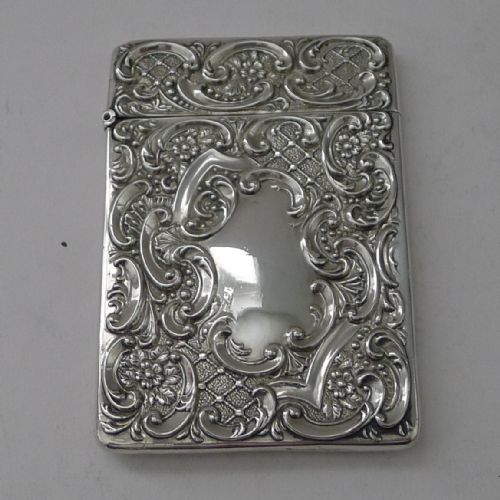

Antique Silver Calling Case
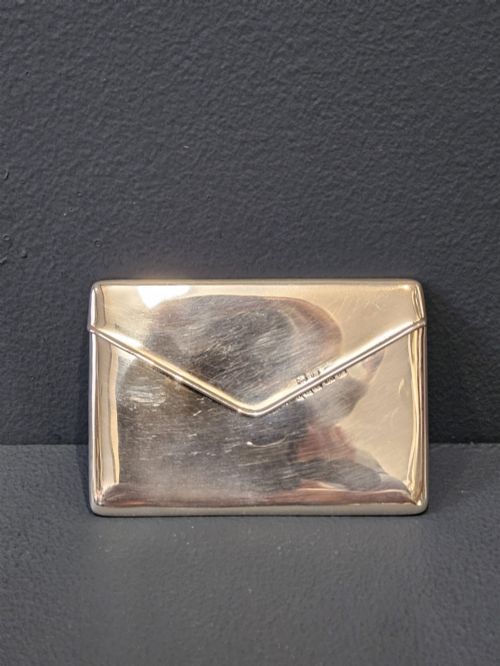
An antique silver calling case is a portable pocket container for visiting cards, and these pieces span Victorian, Edwardian, and Art Deco periods.
Antique Silver Calling Case
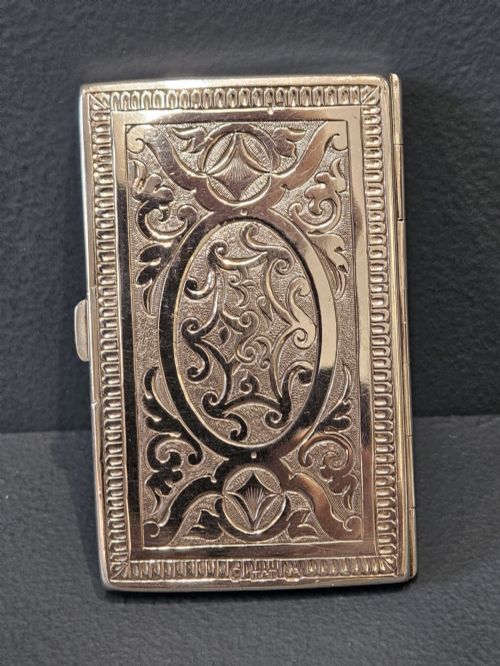
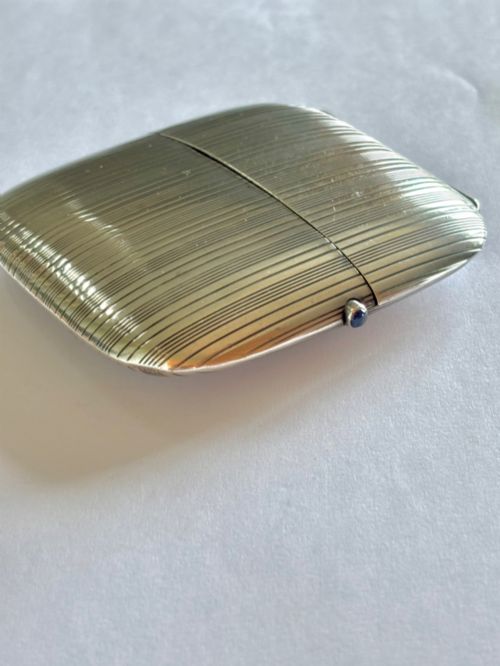
When you search for an antique silver calling case, you encounter flat rectangular containers designed to hold visiting cards in pocket or reticule. The examples on this page are most frequently Victorian and Edwardian sterling silver card cases, alongside variants that combine card storage with stamps, cigarettes, or a pocket notebook known as an aide memoire.
The regional origins of these objects stretch from Birmingham and London workshops to continental Europe, Russia, America, and Asia. Alongside standard English sterling silver, the selection includes pieces with specific regional decorative traditions such as Anglo-Indian repoussé work and Chinese export silver.
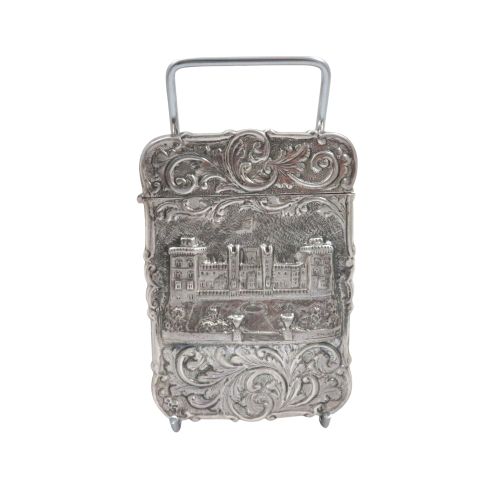
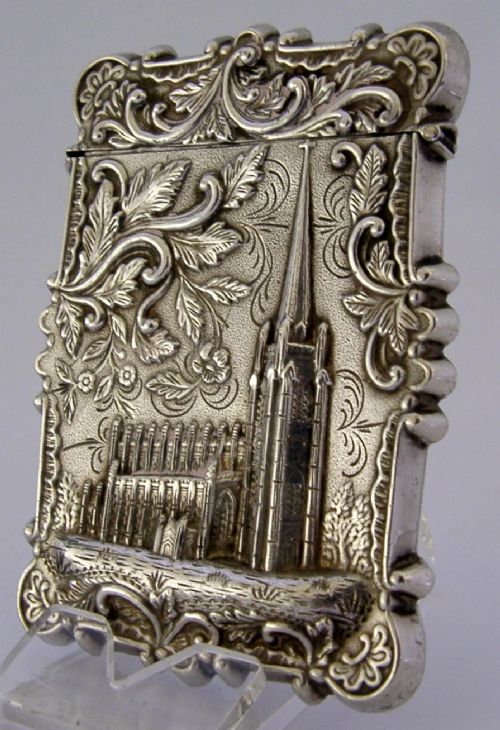
Beyond plain or engine-turned silver surfaces, the selection includes specialised forms such as castle top card cases depicting notable architecture, as well as combination pieces integrating materials like tortoiseshell, mother of pearl, enamel, and Connemara marble.
Materials and Techniques
Makers fashioned these pieces primarily from sterling silver and standard silver, utilising sheet metal formed into rigid housings with hinged lids and spring clips. Many interiors retain their original gilding, known as silver gilt, which protected the metal from tarnishing when exposed to paper cards.
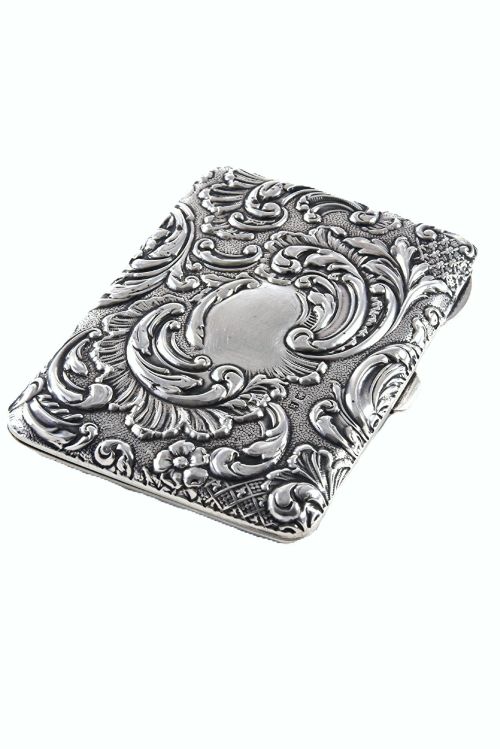
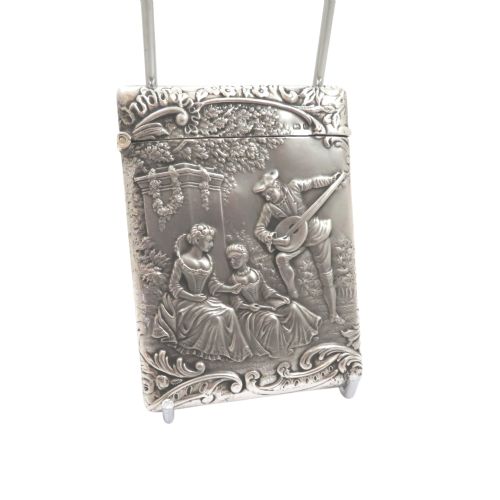
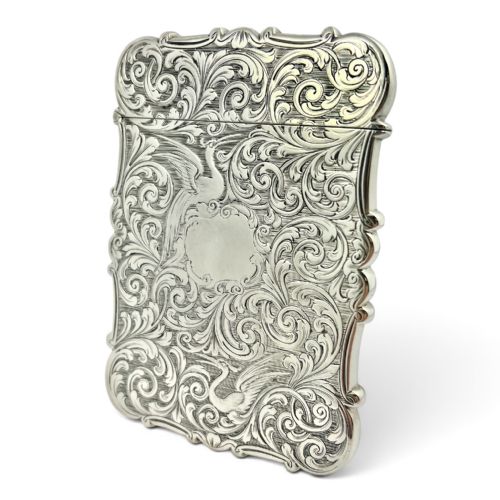
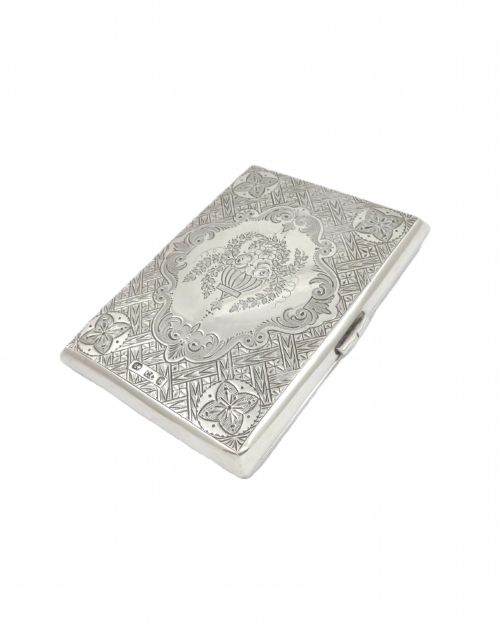
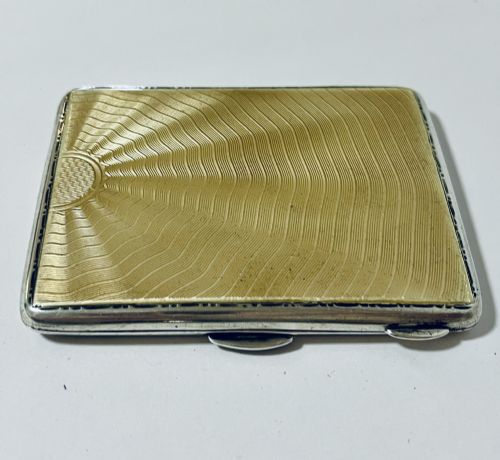
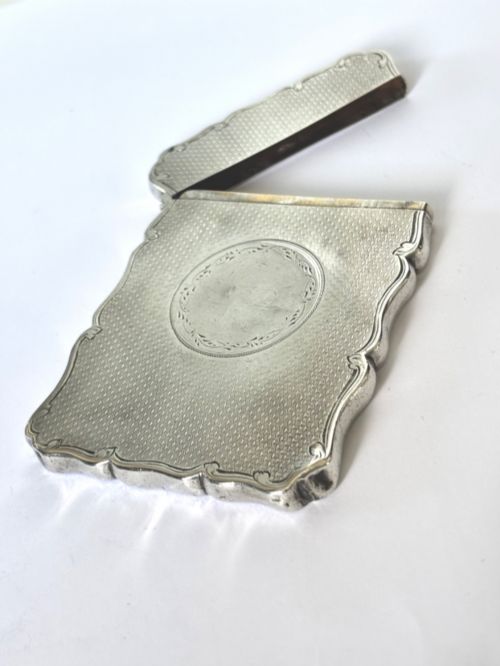
Surface ornamentation relied heavily on hand engraving, repoussé relief work, and engine-turning to create intricate floral, geometric, and figural scenes. Specialised variants incorporated vitreous enamel or applied organic elements like tortoiseshell, mother of pearl, and bone directly onto the metal framework.
Antique Silver Calling Case Retail Price Guide 2026
Typical asking prices for silver calling case among the pieces listed under this phrase on Sellingantiques today, from the lower quarter to the upper quarter. They describe what is for sale here now, not the wider market.
Several cases manage to squeeze visiting cards, stamps, and even an elusive dog and stag scene into a single pocket-sized metal box.
Craftsmanship and Distinction
Quality in an antique silver calling case rests on the crispness of the chasing and engraving and the structural integrity of the hinge. Pieces featuring high-relief architectural scenes, known as castle tops, demonstrate superior sculptural skill compared to standard flat-engraved models.
The inclusion of scarce decorative elements or secondary materials, such as polychrome enamel or detailed animal motifs like stags and dogs, elevates a piece. Furthermore, clear hallmarks indicating known makers add documentary value to the physical craftsmanship.
Willian Aitken·Nathaniel Mills·George Unite·Foxall and Co·Joseph Gloster
The Antique Silver Calling Case Glossary
- Castle top
- A card case featuring a high-relief depiction of a famous building or landmark on the cover. These architectural scenes are among the most sought-after motifs by collectors.
- Aide memoire
- A small pocket notebook or memorandum pad often combined with a card case or fitted with a pencil. They typically include internal leaves for recording engagements.
- Silver gilt
- Sterling silver that has been coated with a thin layer of gold on the surface. This technique was frequently applied to the interior linings of cases.
- Repoussé
- A metalworking technique where the design is hammered into relief from the reverse side. Indian and Victorian examples often use this method to depict deities or foliage.
- Hallmark
- An official stamp applied to precious metals indicating the standard of purity, the assay office, and the year of manufacture. British pieces generally carry standard town and date marks.
Antique Silver Calling Case: Frequently Asked Questions
What is a calling case?
A calling case is a small, rigid container historically used to hold printed visiting cards. Ladies and gentlemen carried them to social calls, leaving a card when the host was not at home.
These pieces protected delicate paper cards from bending or soiling within pockets or evening bags. They evolved into various configurations, sometimes incorporating stamp compartments or cigarette holders.
How do I identify a castle top case?
Castle top cases feature a prominent architectural landmark stamped or chased in high relief on the front cover. Famous structures such as Windsor Castle, St Paul's Cathedral, and Trinity Church appear on these specific examples.
This distinct style commands significant interest from collectors due to the detailed sculptural work required to render the buildings.
What materials are used besides silver?
While sterling silver forms the primary structure of most pieces, makers frequently combined it with other decorative substances. Examples feature panels of tortoiseshell, mother of pearl, Connemara marble, and bone.
Enamel work, particularly vitreous enamel, also appears on continental and Art Deco pieces to introduce vibrant colour and pictorial scenes to the metal surface.
How do I read silver hallmarks?
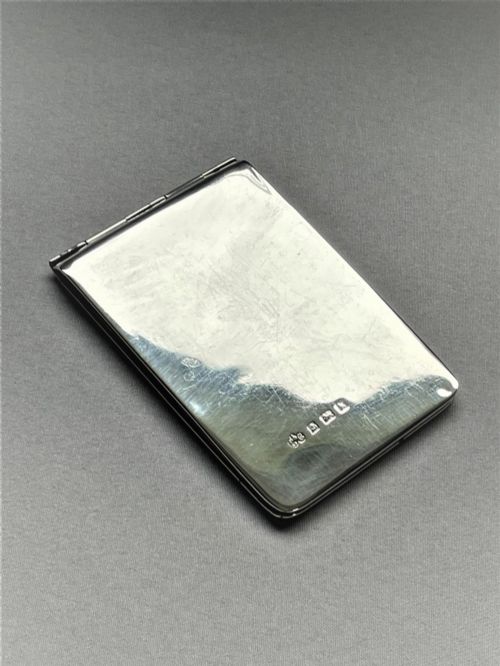
Silver hallmarks consist of a series of small stamped symbols that reveal the origin and date of an item. British marks typically include a maker's mark, a purity standard mark such as the lion passant, an assay office city mark, and a date letter.
Locating these tiny punches on the rim or interior lid allows you to date the case precisely to a specific year and workshop.