



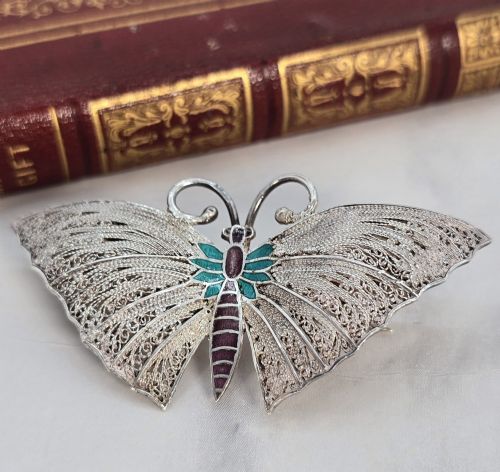


Silver Enamel Badge
A silver enamel badge combines precious metalwork with fused glass colour, creating small wearable ornaments spanning the Victorian era to the mid-century.
Silver Enamel Badge
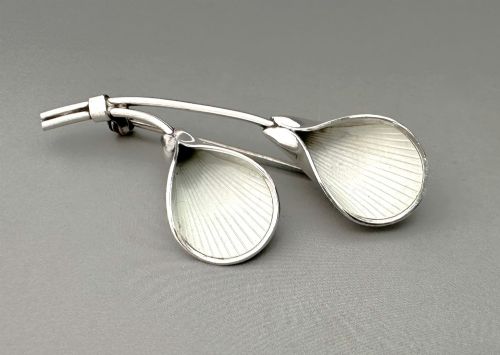
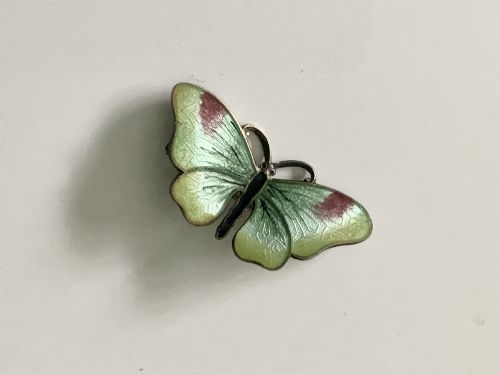
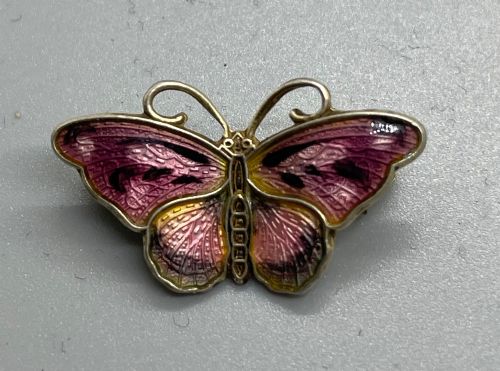
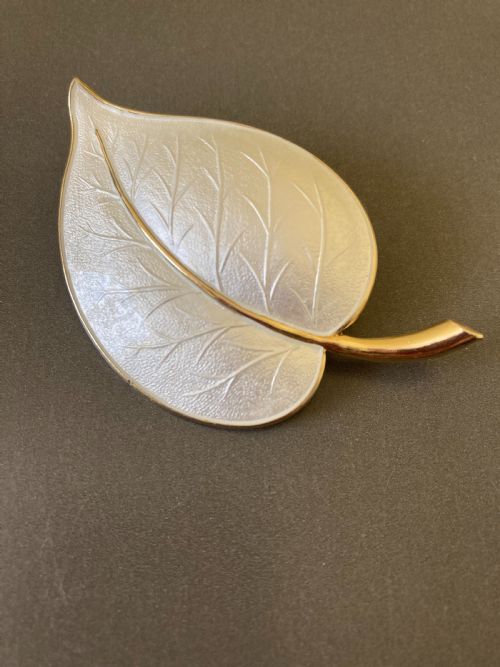
A silver enamel badge encompasses brooches, pins and commemorative objects produced across various decades, including Edwardian, Art Deco and mid-century modern periods. Buyers encounter floral motifs, butterflies and figurative designs frequently on this page.
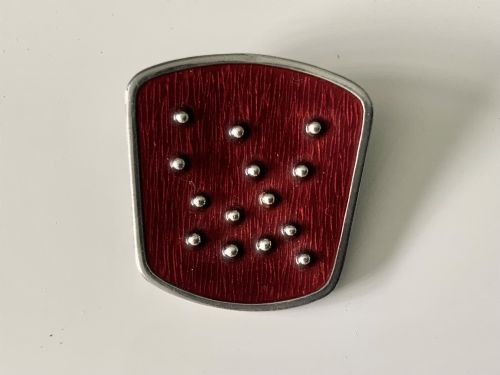
Many examples originate from Scandinavian workshops, particularly Norway, showcasing guilloche and vitreous enamelling techniques on sterling silver or silver gilt.
Earlier Victorian and Edwardian pieces sit alongside 1930s butterfly brooches and 1950s Scandinavian works, giving collectors a broad chronological range of small decorative metalwork.
How they were made
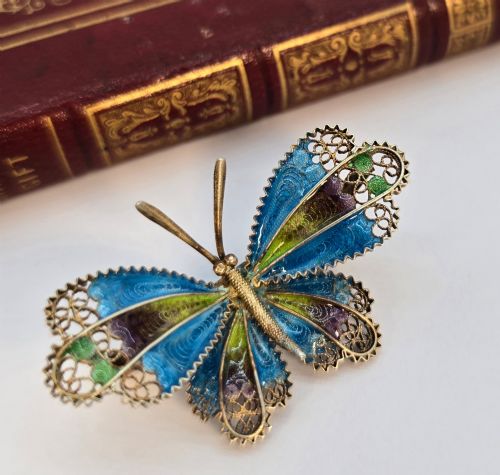
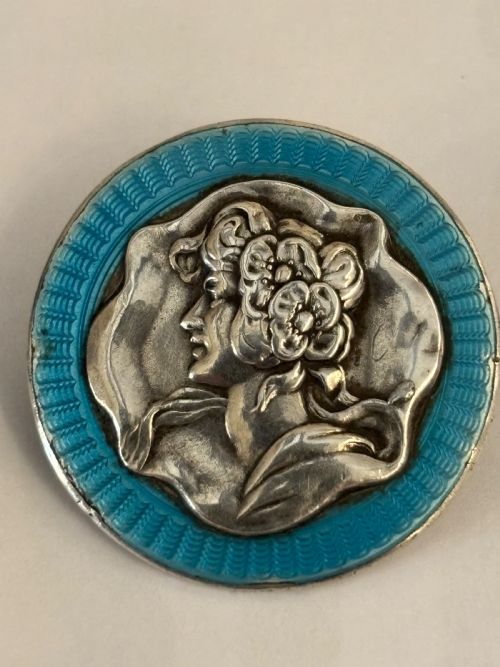
Makers shaped silver, sterling silver and silver gilt into detailed frames, sometimes employing filigree wire or engine-turned guilloche patterns beneath translucent enamel layers.
Vitreous enamel and coloured pastes were fused to the metal bases through firing, creating vibrant floral, bird and butterfly designs that survived across the decades.
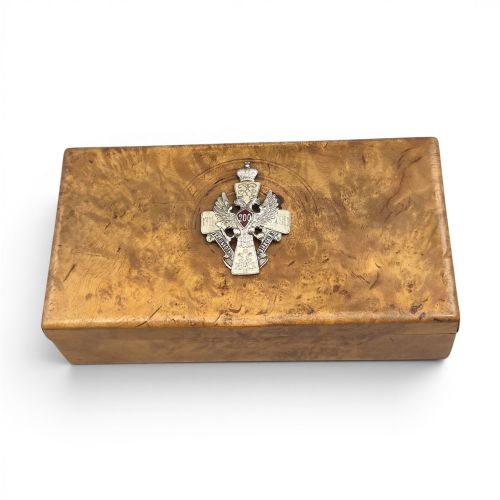
Selected items incorporated marcasite stones or natural materials such as Karelian birch alongside the core silver and enamel components.
Listings feature items spanning the Victorian era, Edwardian period, Art Deco style, and mid-century Scandinavian modern design.
What varies in quality
The precision of the metalwork and the complexity of the enamel application distinguish standard production pieces from finer workshop outputs.
Makers who utilised detailed guilloche engraving beneath translucent layers achieved greater depth and luminosity in their finished objects compared to simple opaque fills.
Aksel Holmsen·A H Darby And Son·Gustav Gaudernack
The Silver Enamel Badge Glossary
- Guilloche
- A decorative engining technique that etches precise geometric patterns into a metal surface. This engraved base shows beneath translucent enamel to add texture.
- Vitreous Enamel
- A material made by fusing powdered glass to a metallic substrate at high temperatures. The resulting glassy compound provides durable, glossy colour.
- Silver Gilt
- Silver that has been coated with a thin layer of gold on its exterior surface. This finish yields a warm golden tone while maintaining a silver base.
- Filigree
- Delicate jewellery-making work consisting of twisted fine silver threads soldered together. It creates openwork designs reminiscent of lace.
- Marcasite
- Small faceted pyrite stones set into silver jewellery to provide sparkle. These stones reflect light effectively around enamel central panels.
Silver Enamel Badge: Frequently Asked Questions
How do I date a silver enamel badge?
Dating relies on stylistic clues, such as the symmetrical geometry of Art Deco pieces or the organic flora of Art Nouveau and Edwardian designs. Mid-century Scandinavian items often display distinct modernist clean lines.
Material choices also help narrow the timeframe, as specific enamelling techniques and hallmarks appeared during distinct decades from the Victorian era onward.
Were these items worn as clothing ornaments?
Most pieces function as brooches and pins designed to fasten onto lapels, dresses or hats. Their portable scale made them popular personal accessories throughout the twentieth century.
Some specific items served as commemorative visitor badges or regimental insignia rather than purely decorative dress jewellery.
What is the difference between silver and silver gilt?
Standard silver pieces display the natural bright metallic lustre of the underlying sterling material. Silver gilt applies a fine layer of gold over the silver body, introducing a rich yellow tone.
Both treatments provide durable foundations for fused vitreous enamel work.
How do I care for vintage enamel?
Enamel consists of fused glass, so items require gentle handling to prevent impact damage or scratching against harder metals. Cleaning should involve soft cloths without abrasive compounds.
Storing pieces separately protects the delicate silver filigree and guilloche surfaces from friction wear.