



Silver Desk Trinket
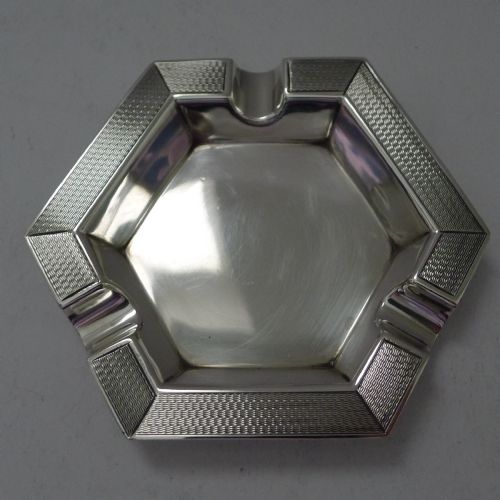
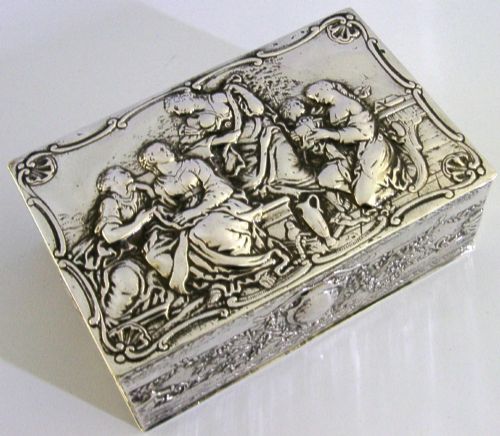
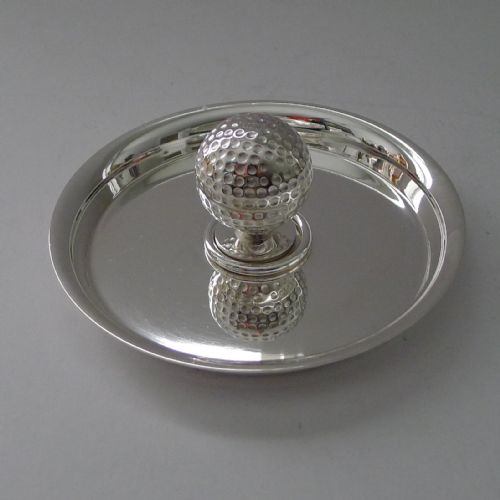
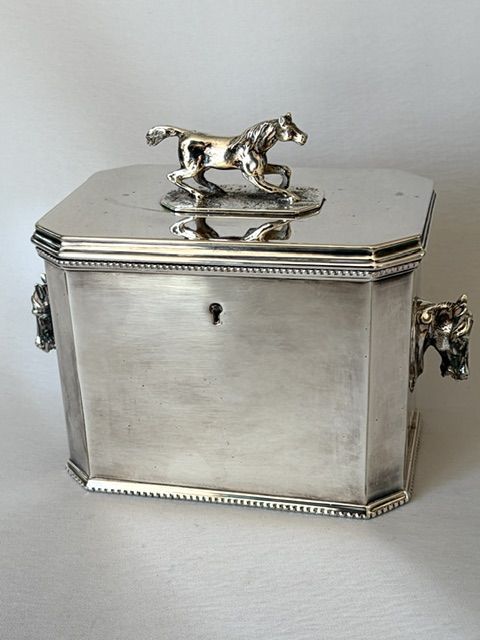
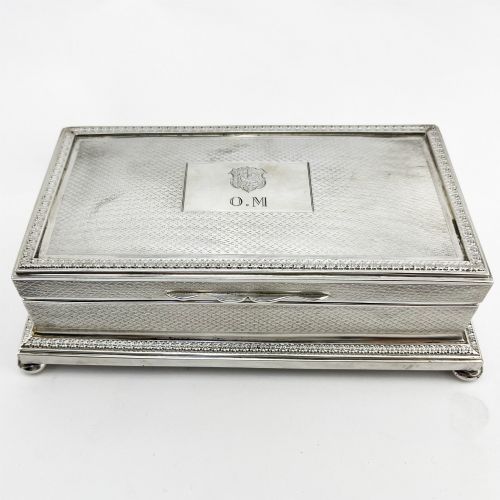
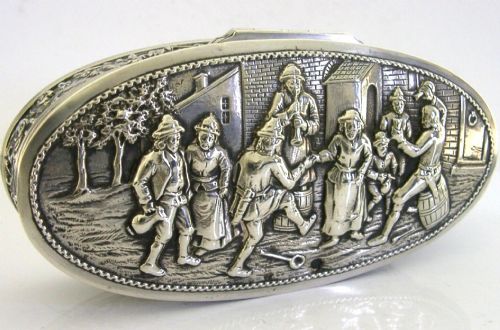
These pieces form a silver desk trinket selection, gathering small boxes, dishes and ashtrays designed to hold everyday writing and smoking accessories.
Silver Desk Trinket
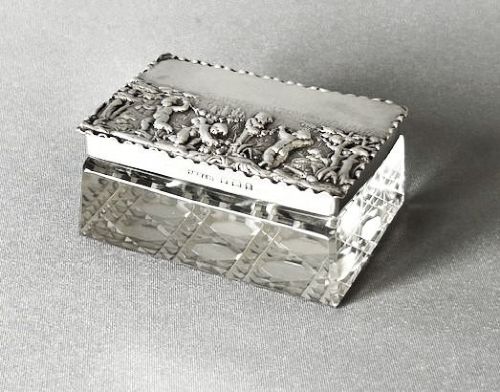
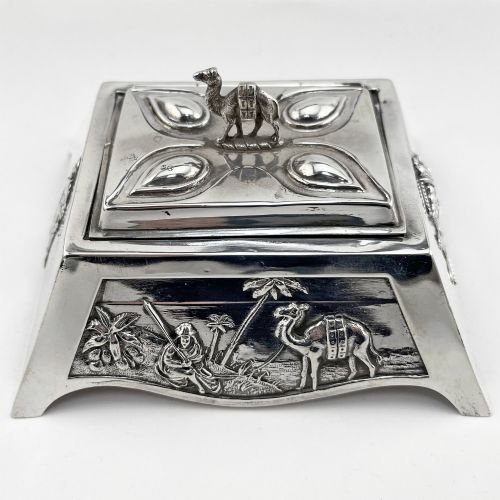
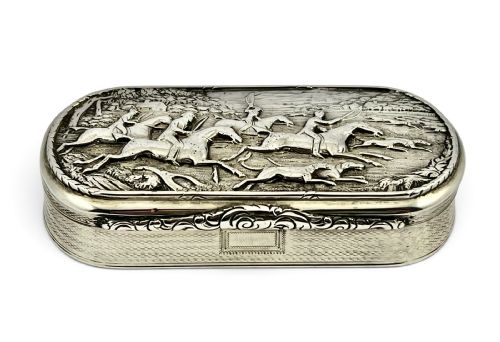
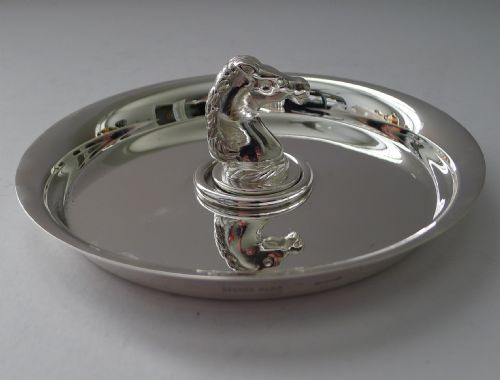
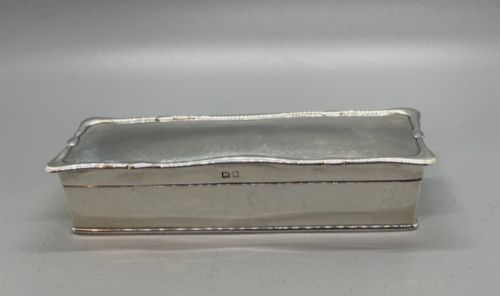
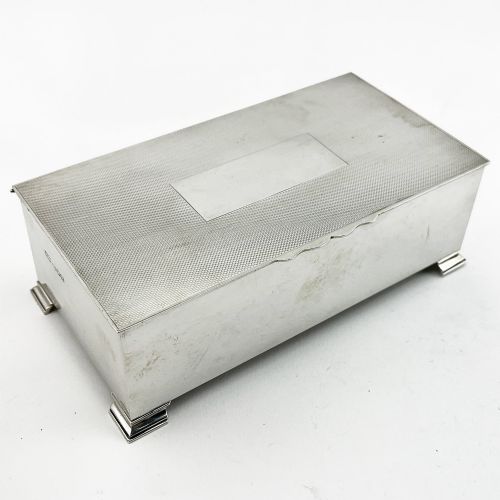
A silver desk trinket encompasses small containers and dishes intended for the writing table or smoking surface, drawing from Georgian, Victorian, Edwardian and mid-century periods. The selection frequently includes table snuff boxes, cigar boxes, stamp boxes and novelty vide poche dishes.
Makers across England, continental Europe and Asia produced these items in sterling silver, silver plate, oak, tortoiseshell and enamel. Pieces range from large heavy German Hanau boxes to sleek modernist Italian card trays and French silver plated dishes.
Materials and Construction
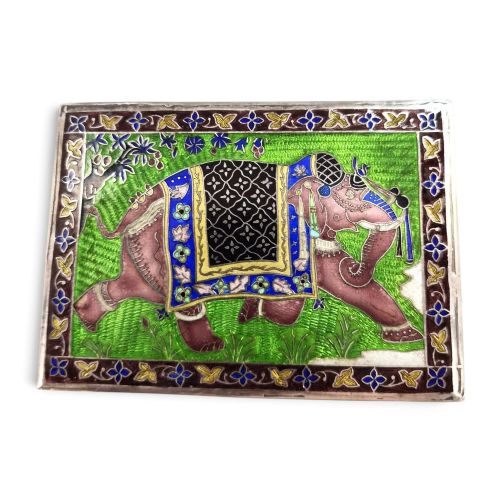
Metals such as solid sterling silver and silver plate form the primary structure of these desk objects, often paired with wooden bodies like oak or satinwood. Craftsmen utilised techniques including detailed engraving, niello work and enamel decoration to embellish the surfaces.
Mounted designs combine organic materials such as tortoiseshell or crocodile skin texture with precious silver bezels, hinges and mounts. Interiors frequently receive gilt linings or wooden cedar inserts for tobacco storage.
Silver Desk Trinket Retail Price Guide 2026
Typical asking prices for silver desk trinket among the pieces listed under this phrase on Sellingantiques today, from the lower quarter to the upper quarter. They describe what is for sale here now, not the wider market.
Several elephants and crocodiles made of silver and leather wait on the desk.
Distinctions in Execution
The standard of a silver desk trinket rests upon the crispness of its hand engraving and the structural integrity of its joints and hinges. Weight and gauge of the metal dictate the tactile solidity of the box in daily use.
Provenance and specific design attribution elevate certain examples, separating standard utilitarian pieces from signed designer works by makers such as Georg Jensen or Hermes.
William Neale·Mappin & Webb·Sigvard Bernadotte for Georg Jensen·A & J Zimmerman Ltd·Jane Brownett Alexander Jones·Frederick Mason·Maria Pergay·James Phipps I
The Silver Desk Trinket Glossary
- Vide poche
- A small tray or dish placed on a desk or hall table to hold pocket contents such as coins, keys or small trinkets.
- Niello
- A black metallic alloy used as an inlay on engraved metal surfaces, creating contrasting decorative patterns.
- Sterling silver
- A silver alloy containing 92.5 percent pure silver and 7.5 percent other metals, typically copper, for durability.
- Gilt lining
- A thin layer of gold applied to the interior surface of a silver box, providing a decorative finish and preventing tarnish from contents.
Silver Desk Trinket: Frequently Asked Questions
What were silver desk trinkets used for?
These containers held specific personal items related to writing, tobacco use and daily organisation on the desk. Snuff, cigars, postage stamps and playing cards each had dedicated boxes tailored to their dimensions.
Dishes served to temporarily hold pocket contents or small accessories during the working day. They provided an orderly method for keeping small valuables contained within a study or library.
How do I date an antique silver box?
Hallmarks stamped into the metal provide the most reliable evidence for dating British items. These stamps identify the assay office, the specific year letter and the maker's mark.
Stylistic cues such as Edwardian floral scrolls, Art Deco geometric lines or mid-century modernist forms further help place an object within its historical period.
Are wooden boxes with silver mounts considered silver boxes?
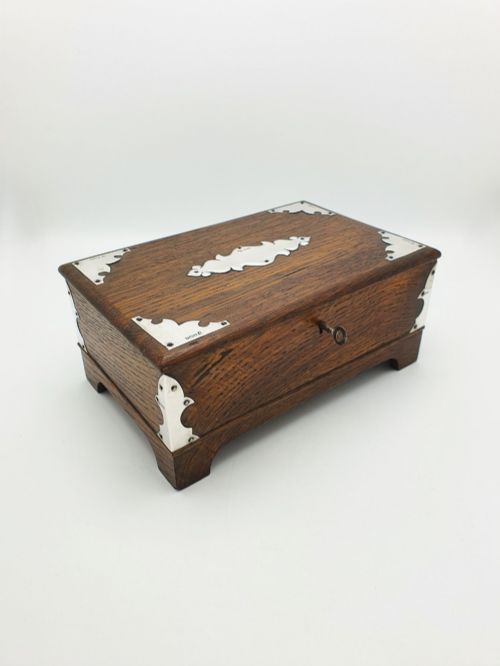
Makers frequently combined timber bodies like oak or satinwood with sterling silver hinges, shields and rims. These pieces are classified as silver-mounted items rather than solid silver objects.
The presence of substantial silver mounts provides the structural framework and decorative focus for the wooden humidor or cigar box.
How should I care for silver desk items?
Regular handling naturally polishes the high points of relief decoration, while recessed areas retain darker patination. Cleaning should be done gently with a soft cloth to avoid wearing thin silver plate or damaging delicate enamel and niello inlays.
Keeping wooden or leather-lined interiors dry prevents moisture damage to the materials inside.