


Silver Decorative Vase
A silver decorative vase brings substance to a room, combining precious metal with glass, bronze, or enamel across Victorian, Edwardian, and Meiji periods.
Silver Decorative Vase
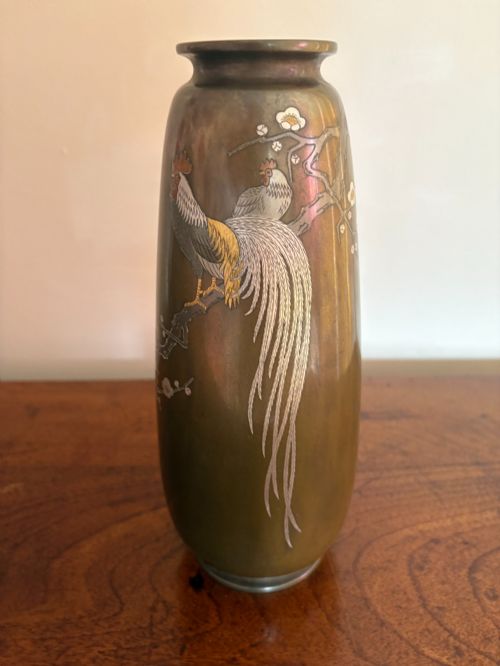
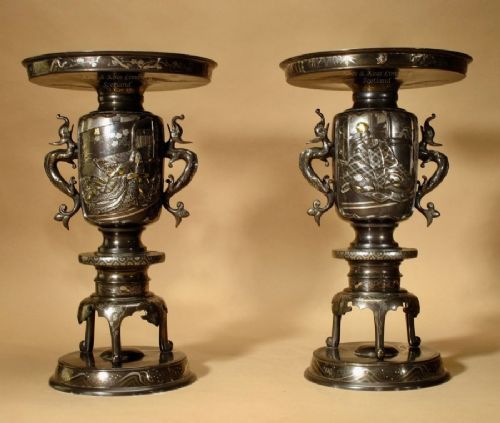
A silver decorative vase encompasses freestanding vessels, centrepieces, and pedestal urns designed for display rather than utility. Examples range from Victorian sterling silver beakers to large Japanese bronze and cloisonné pieces mounted with silver wire.
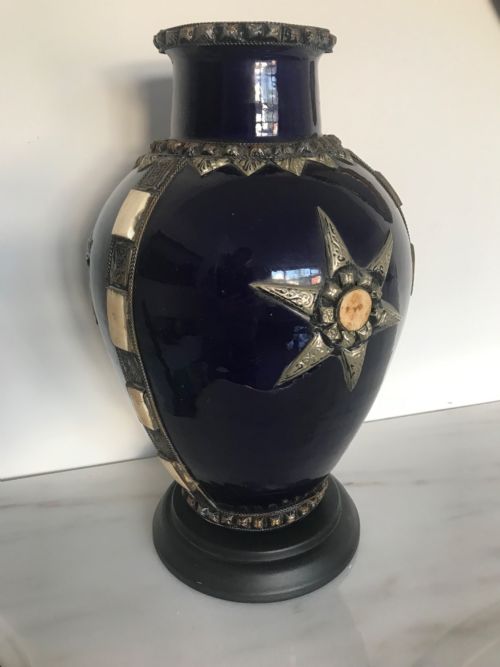
The selection on this page draws heavily from the nineteenth century, the Edwardian era, and the nineteen-twenties, incorporating styles such as Art Nouveau, Moroccan, Anglo-Indian, and Japanese Meiji period works. Buyers frequently encounter objects that combine silver or silver plate with contrasting elements like marble, copper, terracotta, and iridescent glass.
Forms vary from slender baluster shapes to lidded ormolu urns and desk accessories styled as vases. These pieces reflect diverse international workshops, from European glasshouses to Kutch silversmiths and Japanese enamel makers.
Materials and construction
Makers utilised solid silver, silver plate, and silvered bronze alongside structural materials such as bronze, terracotta, and blown glass. Metalwork techniques involved casting, baluster turning, and applying intricate silver or pewter overlays directly onto glass and ceramic bodies.
Enamelling methods appear prominently, particularly Japanese ginbari red enamel with silver wire cloisonné and basse-taille decoration. Artisans also employed cabochon mounting, hammering, and metal inlay to secure decorative stones and contrasting metals into the primary vessel body.
Listings feature items in silver, silver plate, bronze, enamel, marble, gold, metal, copper, and terracotta across the nineteenth and twentieth centuries.
Assessing quality and execution
Quality rests upon the crispness of the metalwork, the precision of applied wire or overlay, and the harmony between the silver and the underlying material such as glass or ceramic. Superior examples demonstrate meticulous hand-finishing, clear maker marks, and secure mounting of cabochons or decorative inlays.
The integrity of the decorative surface distinguishes finer pieces, whether through unblemished ginbari enamel work, smooth pewter overlays on iridescent glass, or deeply chased detail on silver baluster vases. Balance in proportions and the preservation of original patination dictate the standing of each piece.
KANASAWA·Hodsoll Collection·Ando Jubei·Ando·Ferdinand von Poschinger·Loetz
The Silver Decorative Vase Glossary
- Baluster
- A vertical architectural form with a swelling lower portion that tapers towards the top. This silhouette frequently defines the profile of large silver vases.
- Cloisonné
- A metalwork technique where fine wires are soldered to a base to create compartments filled with enamel paste. Japanese Meiji period examples often utilise silver wire for this process.
- Ginbari
- A Japanese enamelling method featuring a textured or foiled background beneath transparent enamel. It creates a distinctive patterned depth behind red or coloured surfaces.
- Ormolu
- Gilded bronze used for decorative mounts and architectural urns. It provides a warm golden contrast to silvered elements.
- Cabochon
- A gemstone or piece of glass polished into a convex shape without facets. These are frequently set into mounts on nineteenth-century and Art Nouveau vessels.
Silver Decorative Vase: Frequently Asked Questions
What periods do these vases come from?
The pieces span the nineteenth century, the Victorian and Edwardian eras, and the early twentieth century up to the nineteen-twenties. This includes Meiji period Japanese works and European Art Nouveau designs.
Dates are determined by stylistic markers, material combinations, and occasionally direct maker signatures or stamps found on the metalwork.
How do I distinguish solid silver from silver plate?
Solid silver pieces usually bear hallmarks indicating purity, maker, and assay office, whereas silvered or plated items show a base metal like bronze, copper, or Britannia metal beneath the surface.
Examination of wear patterns around high points and edges often reveals the underlying metal on plated or silvered bronze urns.
Where were these decorative vases manufactured?
Origin points are diverse, encompassing British workshops, French Grand Tour studios, German glassmakers, Indian silversmiths in Kutch Gujarat, and Japanese enamel art houses.
Each region contributed distinct aesthetic traditions, from Art Nouveau glass with pewter overlay to intricate cloisonné and traditional baluster forms.
How should I clean a silver mounted glass vase?
Cleaning requires avoiding harsh chemical dips that might damage fragile glass, iridescent finishes, enamel work, or non-silver elements like terracotta and pewter.
A soft cloth and gentle application around silver mounts preserve both the metal shine and the integrity of the primary body material.