



Silver Cutlery Accessories
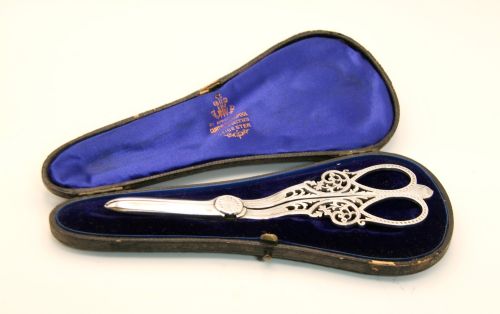
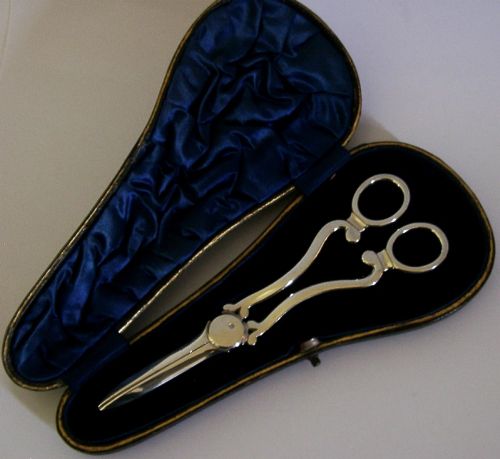
Silver cutlery accessories encompass specialised implements and companion pieces designed to complement the dining table, ranging from knife rests to grape shears.
Silver Cutlery Accessories
When you search for silver cutlery accessories, you encounter a specialised category of dining tools created to assist with specific foods or table management. The items span various dining traditions, fulfilling roles that standard cutlery leaves unattended.
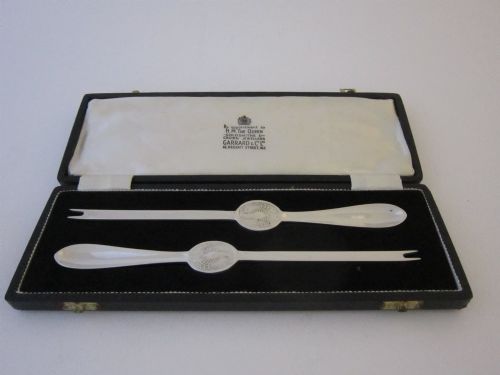
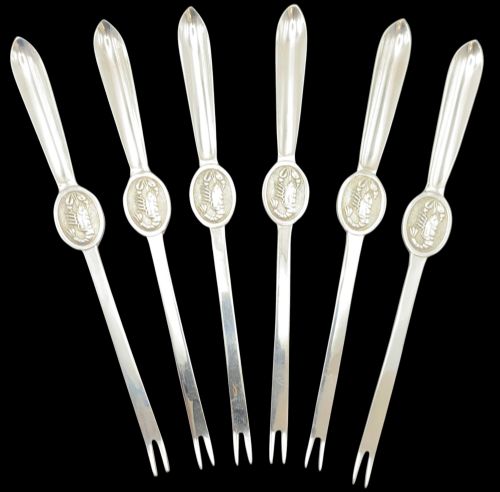
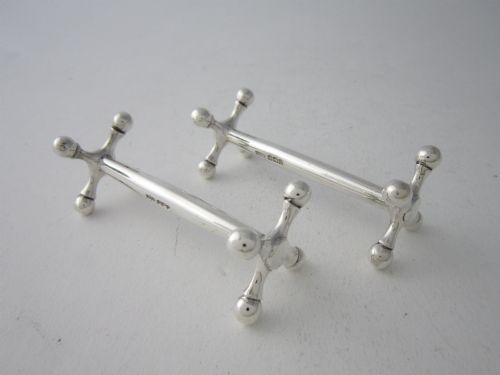
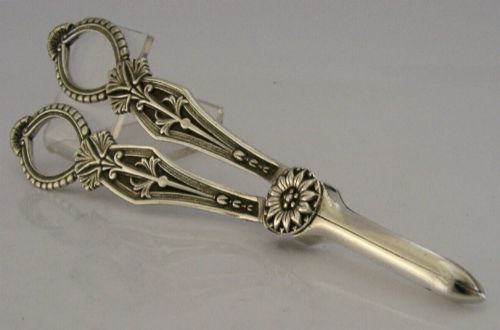
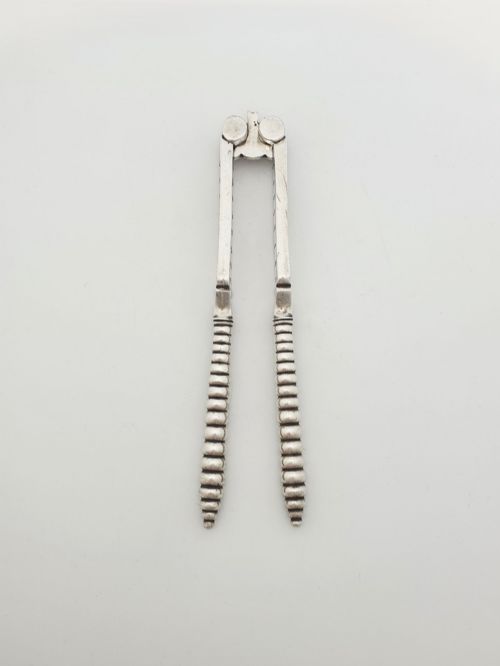
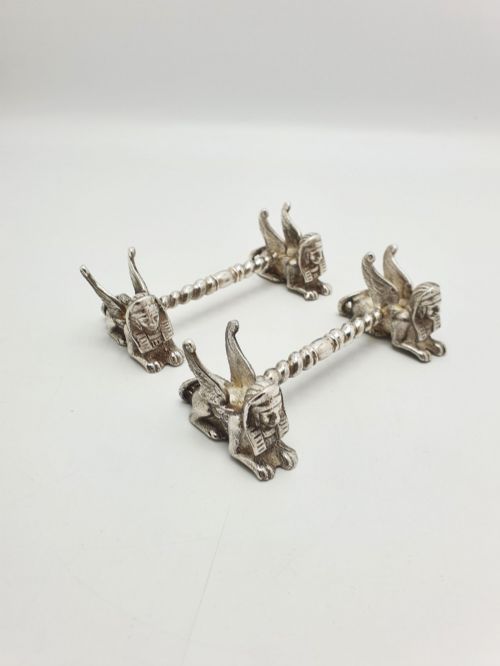
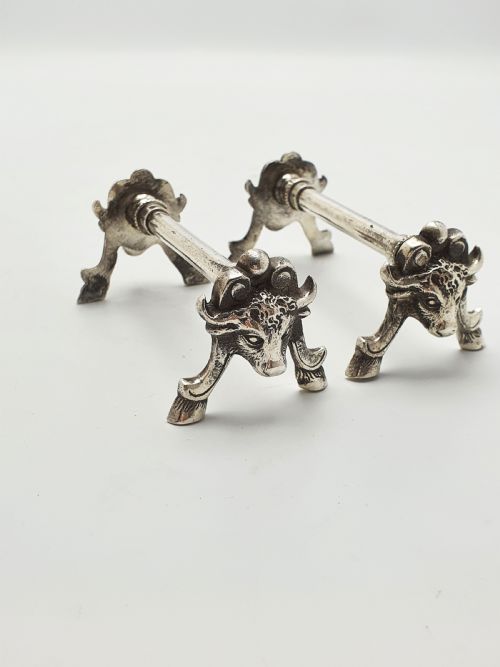
The pieces appearing on this page most frequently take the form of knife rests, grape shears, and serving spoons or picks. These examples bridge several eras, covering Georgian, Victorian, Edwardian, and mid-century periods.
Tableware from these categories often arrives accompanied by original fitted cases lined with velvet, silk, or satin. Such containers preserve the finish of the metal and any secondary materials like mother-of-pearl or cut glass.
How they were made
Makers utilised solid sterling silver and silver plate as the primary metallic bases for these implements. Solid pieces carry hallmarks indicating the assay office and year of production, whilst plated items apply a silver layer over a base metal foundation.
Secondary elements such as mother-of-pearl, cut glass, steel, and crystal appear frequently in combination with the silver components. Handles and rests frequently incorporate these contrasting textures to provide visual interest and varied weight during use.
Dining tables of the past required dedicated implements shaped specifically for wrestling with recalcitrant asparagus stalks and stubborn crustaceans.
What varies in quality
The gauge of the metal dictates the structural integrity and heft of individual items, with heavier examples demonstrating substantial construction. Cast components and detailed figural work, such as animal or heraldic motifs, require advanced craftsmanship compared to plain designs.
The preservation of original fitted presentation cases and the clarity of maker marks or hallmarks influence the standing of an item. Complete sets that retain their original velvet or satin linings maintain a higher degree of historical integrity.
Thomas Tookey·P A W Bateman·George Unite·Reilly & Storer·C.J. Vander·Garrard & Co.
The Silver Cutlery Accessories Glossary
- Hallmark
- Official marks stamped onto precious metal items to indicate the standard of silver, the assay office, and the date of manufacture. These symbols provide a reliable method for dating British pieces.
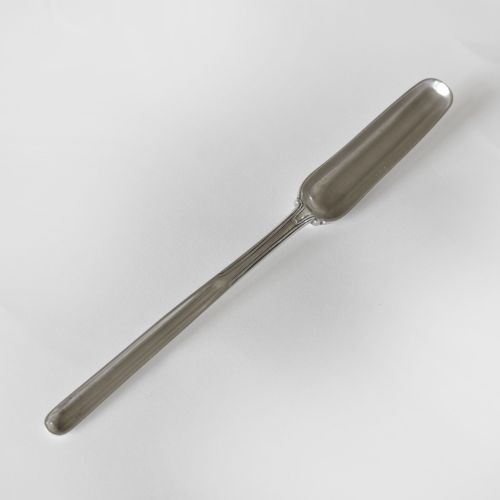
- Marrow scoop
- A double-ended spoon featuring a long, narrow trough designed to extract marrow from bones. Georgian examples represent notable instances of this specific tableware form.
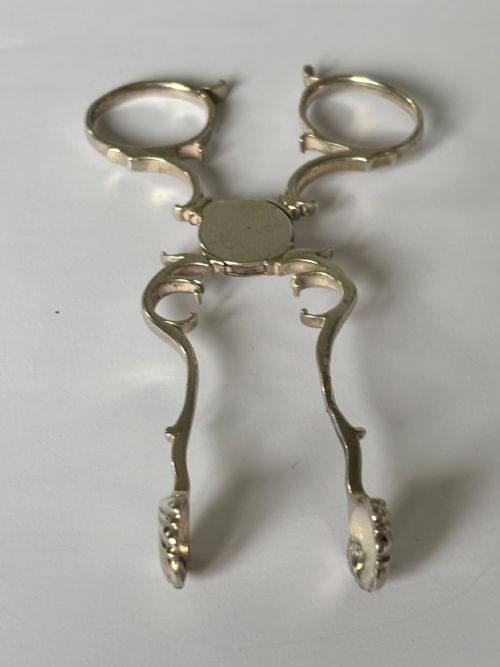
- Grape shears
- Specialised scissors engineered with curved blades to sever individual stems of fruit without bruising the grapes. Victorian and Edwardian workshops produced these in both cast silver and plated varieties.
- Knife rest
- A small support placed on the table to keep the blade and tip of a carving or dining knife elevated above the tablecloth. They appear in materials ranging from solid silver to cut glass and plated metal.
- Old Sheffield plate
- An early method of fusing a thin sheet of silver to a copper ingot before rolling and shaping. This technique preceded modern electroplating.
Silver Cutlery Accessories: Frequently Asked Questions
What are silver cutlery accessories used for?
These pieces serve auxiliary functions at the dining table, managing specific foods that standard cutlery does not address.
Items include rests for keeping knives off linens, shears for fruit, and picks for seafood.
How do I identify Victorian silver pieces?
Victorian items often display hallmarks corresponding to the reign of Queen Victoria, alongside stylistic traits typical of the nineteenth century.
Heavier cast designs and naturalistic motifs frequently characterise this period.
Are original cases important?
Original presentation cases lined with velvet, silk, or satin protect the contents and indicate a preserved set.
Many period items retain their fitted boxes, which enhance their completeness.
What is the difference between solid silver and plate?
Solid silver items consist entirely of precious metal throughout and bear standard hallmarks.
Silver plated pieces apply a layer of silver over a base metal foundation, such as copper or Britannia metal.