

Silver Curb Chain Watch
A silver curb chain watch piece brings solid Victorian and Edwardian weight to the wrist or waistcoat.
Silver Curb Chain Watch
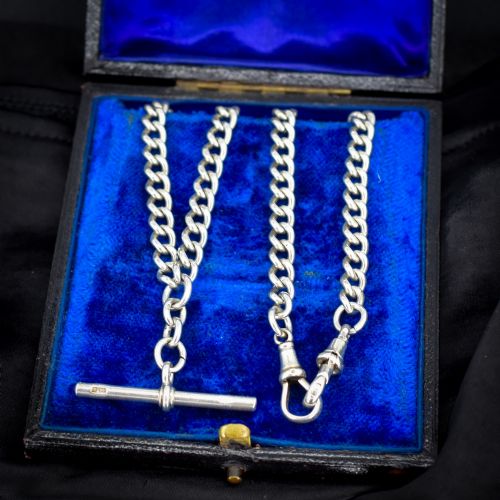
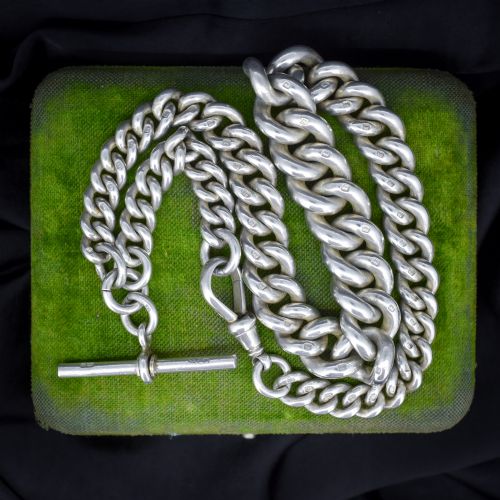
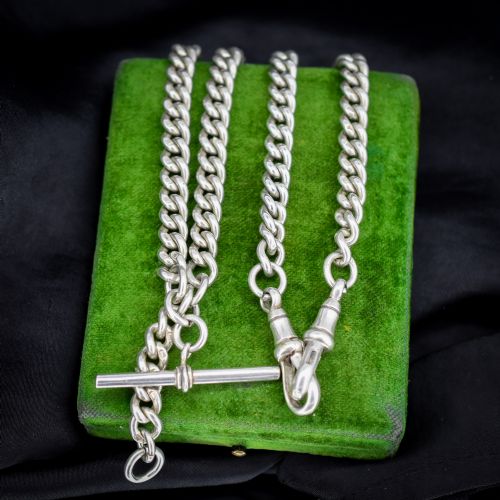
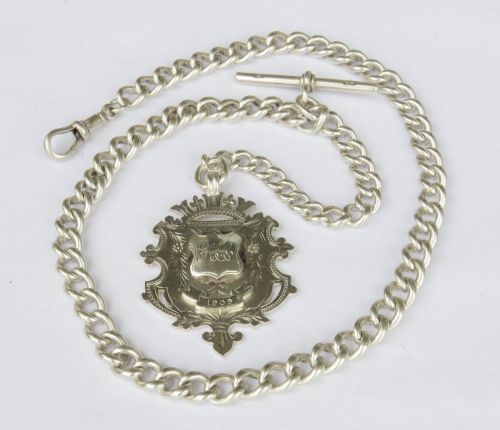
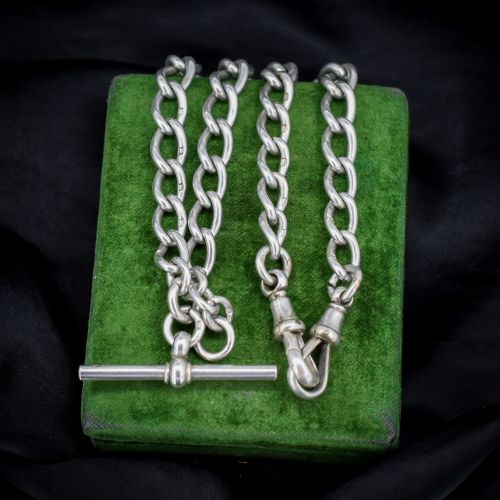
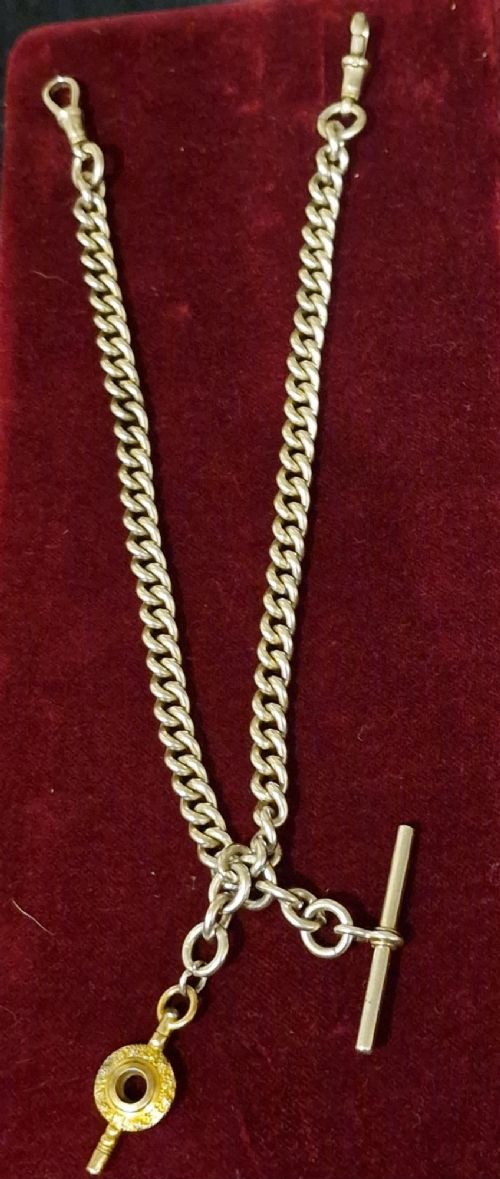
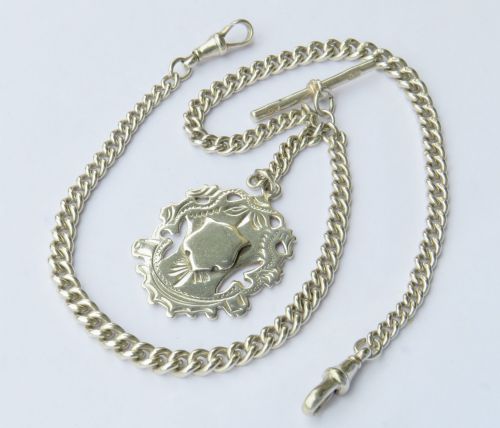
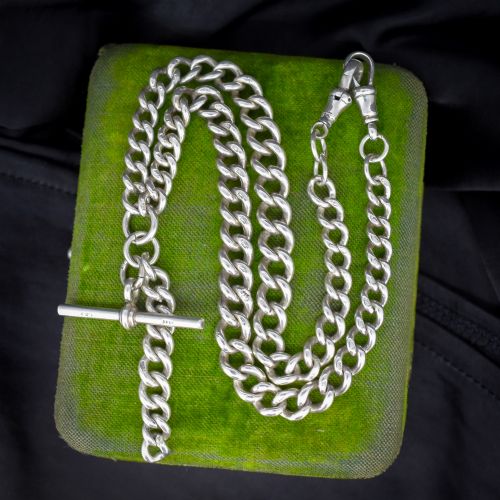
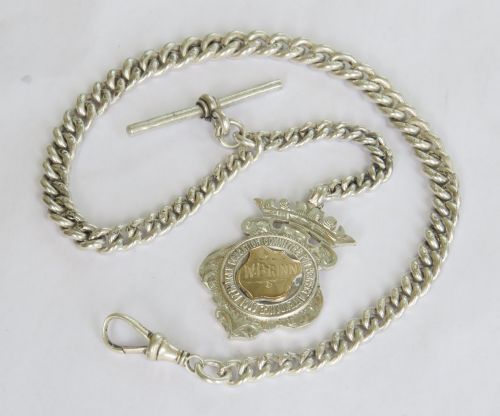
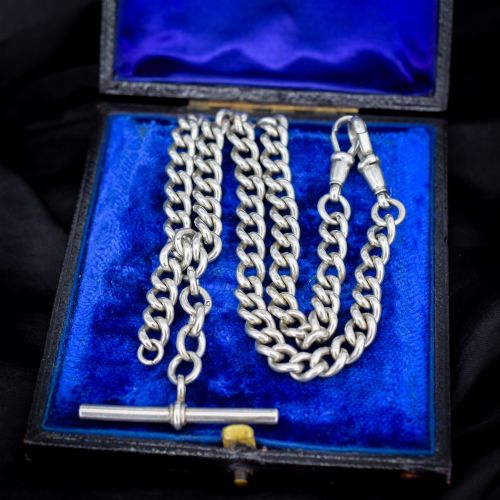
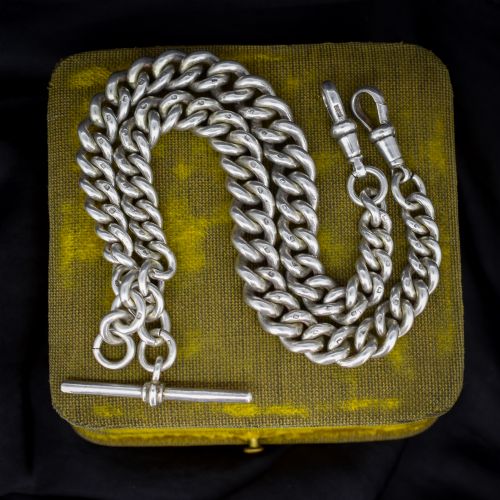
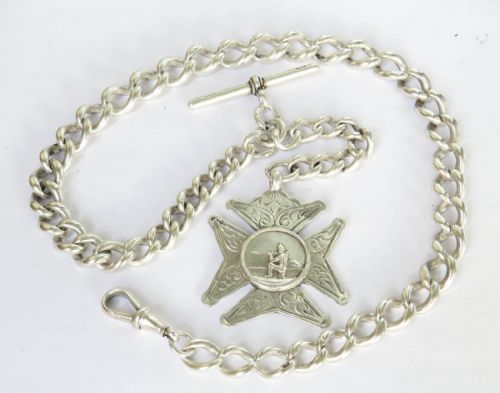
A silver curb chain watch setup typically takes the form of a pocket watch albert chain, complete with linked uniform or graduated links designed to secure a timepiece.
Most examples date from the late nineteenth century through to the interwar decades, spanning the Victorian, Edwardian and Art Deco periods.
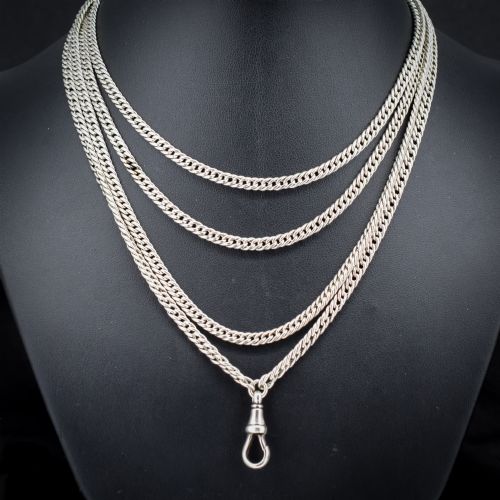
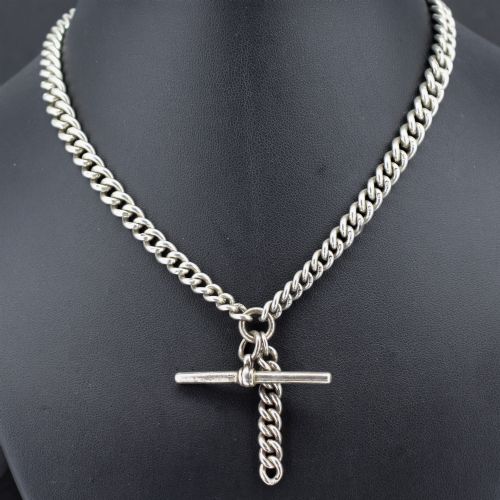
Buyers frequently encounter these versatile lengths adapted as necklaces, often retaining original dog clips, swivel fobs, and T-bars.
Materials and construction methods
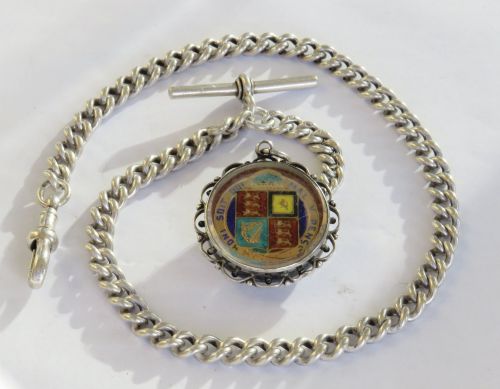
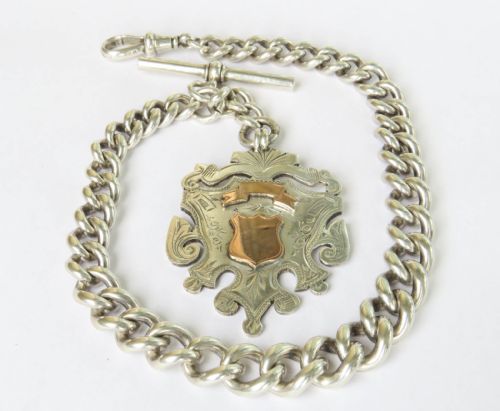
Silversmiths constructed these pieces primarily from sterling silver and solid silver links, sometimes incorporating gold accents, rose gold components or enamel highlights.
Individual links are interlocked in the distinct flat-edged curb pattern, joined by sturdy dog clips, jump rings and functional T-bars designed to anchor through buttonholes.
Silver Curb Chain Watch Retail Price Guide 2026
Typical asking prices for silver curb chain watch among the pieces listed under this phrase on Sellingantiques today, from the lower quarter to the upper quarter. They describe what is for sale here now, not the wider market.
The archive includes pieces dated to 1887 and 1906 alongside standard nineteenth century examples.
Determinants of quality
Quality rests upon the heft and gauge of the silver links, distinguishing substantial heavy duty chains from lighter daily wear.
The presence of original components such as matching hallmarked fobs, bloodstone swivels, or intact enamel seals elevates the integrity of the piece.
The Silver Curb Chain Watch Glossary
- Curb chain
- A type of jewellery chain formed of interlocking flat uniform links that lie relatively flat against the skin or cloth. This pattern provides the structural foundation for traditional pocket watch albert chains.
- T-bar
- A small horizontal bar attached to the centre of a watch chain by a short drop pendant. It slots securely through a waistcoat buttonhole to anchor the chain.
- Dog clip
- A spring-loaded swivel clasp attached to the end of a watch chain to secure a pocket watch or pendant. These clips allow the chain to be fastened quickly and securely.
- Vesta
- A small pocket container specifically manufactured for holding matches. These functional accessories frequently appear suspended as fobs from antique watch chains.
- Albert chain
- A specific style of watch chain named after Prince Albert, worn across the front of a waistcoat. They are encountered frequently in single and double strand configurations.
Silver Curb Chain Watch: Frequently Asked Questions
How do I wear a pocket watch chain as a necklace?
Many people remove the watch and fasten the dog clip directly to the T-bar or to an end link. This creates a flexible neckpiece that displays the uniform curb links and suspended fobs.
The length allows the chain to sit comfortably around the collarbone, mirroring the original drop of the waistcoat drape.
What is the T-bar used for?
The T-bar served the original function of securing the chain through a buttonhole on a gentleman's waistcoat. It held the weight of the pocket watch safely in the pocket.
Today, collectors often keep the T-bar attached as a decorative dangling element when wearing the chain around the neck.
How can I tell the period of a silver watch chain?
Dating relies heavily on hallmarks stamped onto individual links, T-bars, and dog clips, which indicate assay offices and year letters. Stylistic clues such as enamel sporting fobs or Great War commemorative pieces also point to specific decades.
Heavier chunky links and bloodstone swivel fobs typically indicate late Victorian or Edwardian origins.
What does a dog clip do?
The dog clip functions as the primary clasp mechanism on the chain. Its spring-loaded gate opens to receive the loop of a pocket watch stem or a pendant.
Original clips often bear maker marks and silver standard stamps corresponding to the main chain links.