

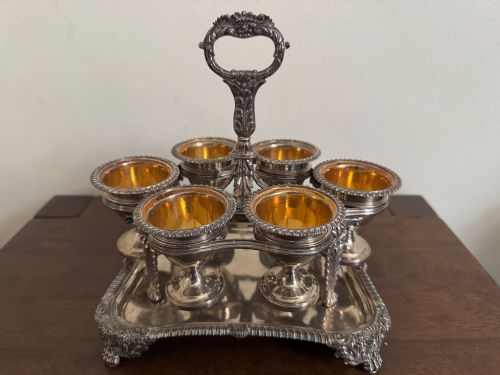


Silver Cup Set
A silver cup set gathers multiple drinking vessels or fitted tableware pieces together, offering matching utility and display appeal.
Silver Cup Set
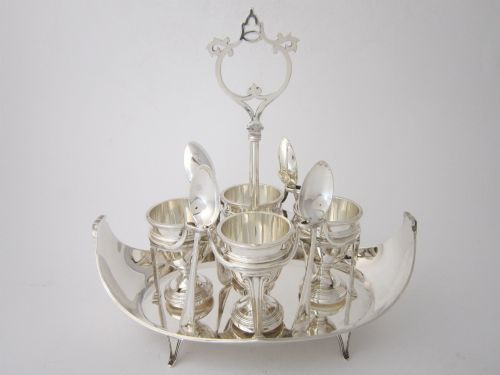
A silver cup set encompasses matched drinking vessels, presentation goblets, and specialised serving collections designed for communal dining or formal table use. When exploring a silver cup set, buyers frequently encounter egg cruets, cocktail shakers with beakers, and boxed christening collections spanning the Victorian, Edwardian, and Art Deco periods.
These groupings range from travel campaign spirit sets and medical kits to church chalices and Russian vodka cup collections. Makers utilised sterling silver, silver plate, glass, and pewter to create both utilitarian barware and ornate ceremonial table service.
Materials and Construction Techniques
Silversmiths formed these vessels utilising solid sterling silver or by applying silver plate over base metals such as copper and pewter. Many pieces incorporate decorative techniques including embossing, hammering, and fine engraving to achieve distinct surface patterns.
Fitted presentation boxes often feature internal linings of silk, velvet, or leather to secure cups, saucers, and cruet frames safely. Glass and crystal elements appear alongside silver components in barrel dispensers and coffee cans, combining contrasting textures within a single service.
Silver Cup Set Retail Price Guide 2026
Typical asking prices for silver cup set among the pieces listed under this phrase on Sellingantiques today, from the lower quarter to the upper quarter. They describe what is for sale here now, not the wider market.
Some Edwardian travellers carried a complete medical kit inside a solid silver case just in case sudden illness struck between tea times.
Factors That Distinguish Quality
Quality in these sets rests upon the crispness of the original metalwork, the structural integrity of fitted presentation cases, and the retention of the silver plating. Pieces displaying deep, deliberate hand-hammering or precise embossed detailing show superior craftsmanship compared to plain production items.
The completeness of a matched service elevates a set, particularly when all original glasses, liners, spoons, or fitted internal components remain intact. Maker marks and clear hallmarking indicating specific assay offices and silversmiths provide further distinction in finer examples.
James Dixon And Sons·William Burwash·Tiffany And Co·Elkington·Maison Barra·St Medard·Aleksandr Timofeyevich Shevyakov
The Silver Cup Set Glossary
- Egg Cruet Set
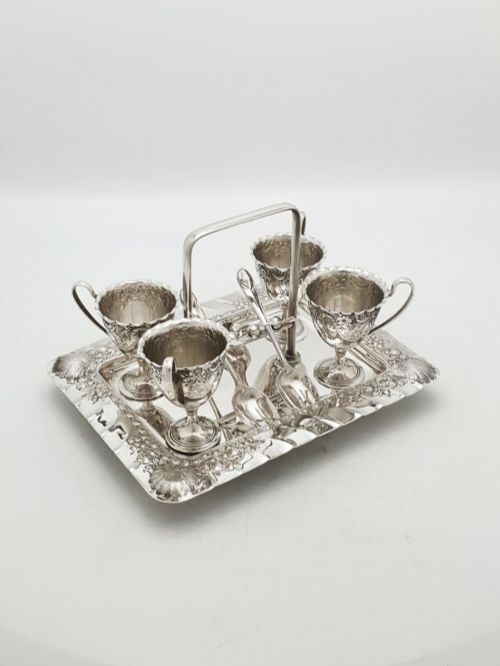
- A specialised tabletop frame fitted with cups for boiled eggs, accompanied by spoons and salt cellars. These Victorian and Edwardian sets often feature central carrying handles.
- Chalice
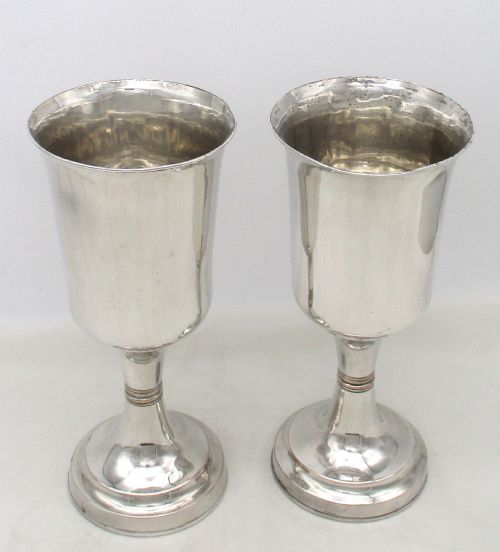
- A large stemmed cup utilised for ceremonial or religious services. They appear in silver plate and sterling silver across nineteenth-century ecclesiastical contexts.
- Spirit Set
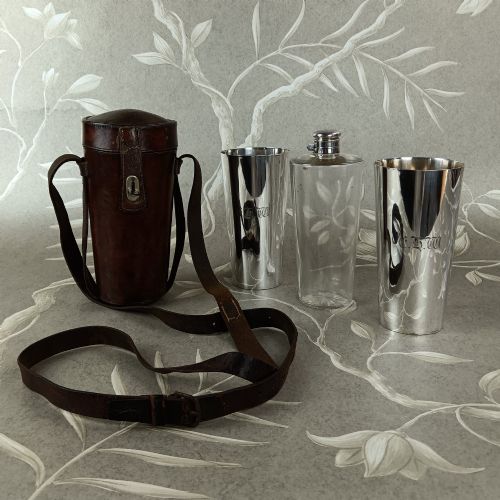
- A portable collection of drinking vessels and flasks housed within a fitted wooden or leather case. They were designed for travel and field campaigns.
- Kiddush Cup
- A ritual goblet utilised for the sanctification blessing on Shabbat and Jewish holidays. Russian examples frequently showcase distinct regional silver purities and hallmarks.
- Silver Plate
- A manufacturing process where a thin layer of silver is bonded to a base metal core. Old Sheffield Plate involves fusing silver to copper.
Silver Cup Set: Frequently Asked Questions
What is included in a silver egg cruet set?
An egg cruet set typically contains a metal stand fitted with multiple small cups designed to hold boiled eggs at the breakfast table. Many examples also include matching spoons and integrated salt cellars.
These pieces date predominantly from the Victorian and Edwardian eras, engineered for formal morning dining. The frames usually feature a central loop handle for carrying the entire service from sideboard to table.
How do I identify Art Deco cocktail sets?
Art Deco cocktail sets emerge from the 1920s and 1930s, defined by geometric lines, streamlined shaker designs, and matching beakers. Makers such as Maison Barra and St. Medard produced these with hammered or smooth silver-plated finishes.
Unlike ornate Victorian tableware, these sets prioritize sleek silhouettes suited for modern entertaining. They are frequently housed in fitted presentation boxes lined with silk or velvet.
Were chalices used outside of churches?
While many chalices served ecclesiastical functions in church services, similar forms appear as presentation goblets for sports and civic achievements. Nineteenth-century examples often commemorate cricket matches or community events.
These presentation pieces combine the deep bowl and stem of a traditional chalice with personalized engraving. They were designed for display on mantelpieces rather than active communion use.
What distinguishes sterling silver from silver plate?
Sterling silver consists of solid precious metal meeting a specific purity standard, usually marked with official hallmarker stamps. Silver plate involves applying a thin layer of silver over a base metal such as copper, brass, or pewter.
Examining the underside or rims can reveal base metal showing through worn plate, whereas sterling maintains uniform metal composition throughout. Both materials appear across historical barware, cruets, and christening sets.