




Silver Cocktail Glass
A silver cocktail glass combines precious metal with fine vessel work, offering a touch of period style to modern home entertaining.
Silver Cocktail Glass
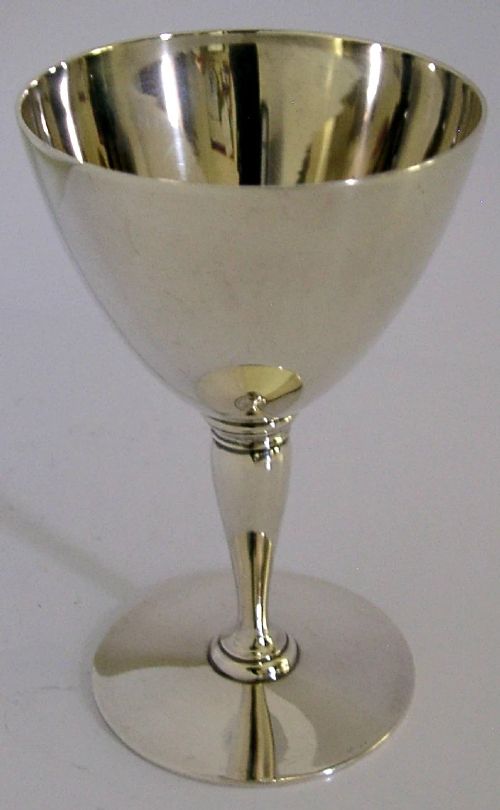
A silver cocktail glass typically takes the form of a sterling silver cup or goblet, frequently associated with the 1920s Art Deco period. These pieces bridge the gap between functional barware and decorative tableware, often bearing maker marks from prominent silversmiths.
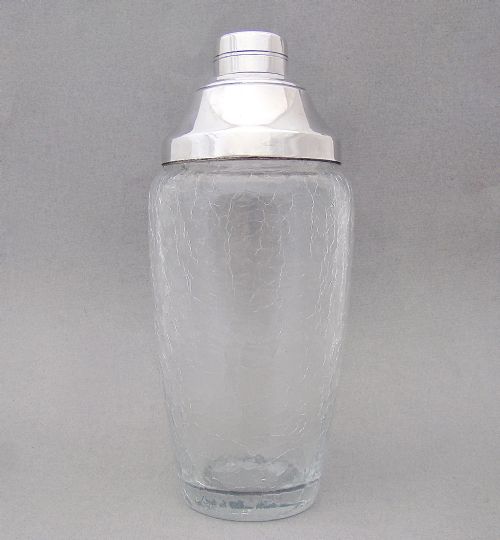
While specific designations vary, the category also encompasses related barware such as cocktail shakers, jugs, and decanter sets executed in matching metal and glass configurations. The survivals span from Edwardian iterations through to the 1930s, reflecting changing social habits of the twentieth century.
The aesthetic leans heavily toward geometric lines and minimalist profiles characteristic of the interwar years, though earlier Victorian and Georgian metalwork occasionally informs the broader selection of bar accessories available.
Materials and construction
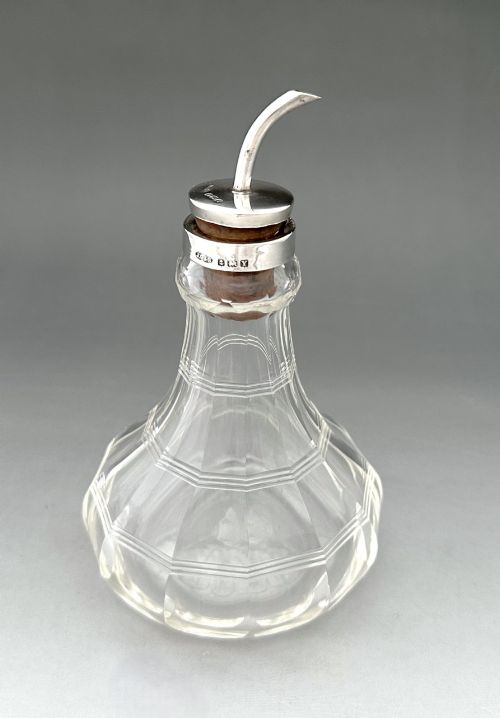
Manufacturing relied heavily on a combination of sterling silver, silver plate, and clear or coloured glass, frequently utilising cut glass techniques to catch the light. Metal components were cast, spun, or hammered into shape, then soldered or mounted directly onto glass bodies and liners.
Makers of the period also employed chrome, enamel, and crackle glass, particularly during the 1930s when modern industrial materials influenced domestic metalwork. Surface decoration often involved etched motifs, engraved panels, or applied silver elements such as cockerel figures and cherry picks.
Several vintage cocktail sets include miniature silver cherries and glass dogs designed to perch on the rim and keep track of whose drink is whose.
Assessing quality and craftsmanship
Quality in a silver cocktail glass is determined by the weight of the silver component and the clarity of the glass vessel, with heavier gauge metal indicating superior production standards. The precision of the joinery between metal mounts and glass bodies separates mass-produced items from finer studio or maker pieces.
The crispness of hallmarks, the depth of cut glass facets, and the preservation of original surface finishes further distinguish high-grade examples. Pieces retaining matching sets or integrated accessory components demonstrate greater integrity within the historic record.
Tiffany & Co·Mappin & Webb·Hukin & Heath·Elkington & Co·James Dixon & Son
The Silver Cocktail Glass Glossary
- Sterling silver
- A silver alloy containing 92.5 percent pure silver and 7.5 percent other metals, usually copper. This standard composition is frequently stamped with official assay office hallmarks.
- Silver plate
- A base metal substrate coated with a thin layer of pure silver through electroplating or older manufacturing methods. It allowed makers to produce durable barware at a lower cost than solid silver.
- Cut glass
- Glassware shaped and patterned by grinding abrasive wheels across the surface to produce deep facets and geometric designs. It was widely paired with silver mounts in interwar barware.
- Hallmark
- A series of official marks stamped onto precious metal items indicating the maker, purity standard, assay office, and year of manufacture. These symbols provide the primary evidence for dating antique silver.
Silver Cocktail Glass: Frequently Asked Questions
How were silver cocktail glasses used?
These vessels were utilised for serving mixed drinks during formal gatherings and private home receptions, particularly during the height of the cocktail culture in the early twentieth century.
They functioned both as practical drinking vessels and as decorative table centrepieces, often accompanied by matching shakers, trays, and ice buckets.
Are antique cocktail glasses safe for modern use?
Most solid silver and glass combinations remain structurally sound for occasional modern service, provided they receive careful hand washing rather than mechanical cleaning.
Users should check individual items for stability in the mountings and ensure that silver-plated interiors have not worn down to the base metal over decades of use.
How do I identify Art Deco pieces?
Art Deco examples typically display symmetrical geometric patterns, stylised animal motifs like cockerels, and streamlined silhouettes in chrome, silver plate, and coloured glass.
Date letters within official hallmarks and manufacturer stamps from the 1920s and 1930s help confirm this specific period of production.
How should I clean antique silver barware?
Maintenance requires mild soapy water and a soft cloth for the glass portions, paired with a non-abrasive proprietary silver polish applied sparingly to the metal surfaces.
Harsh chemical dips and ultrasonic cleaners should be avoided to protect delicate glass joins, enamel details, and aged patina.