


Silver Chain Pendant
When you search for a silver chain pendant, you step into a diverse world spanning Victorian lockets to Scandinavian modernism.
Silver Chain Pendant
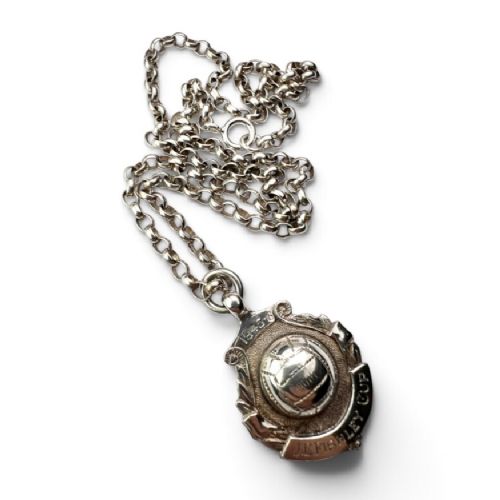
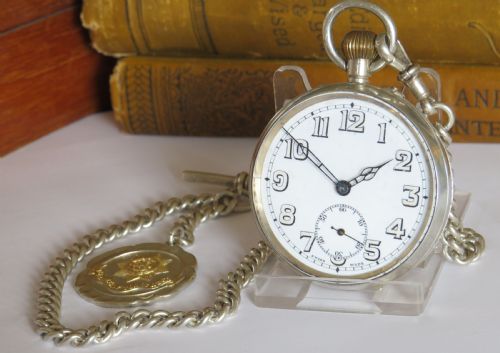
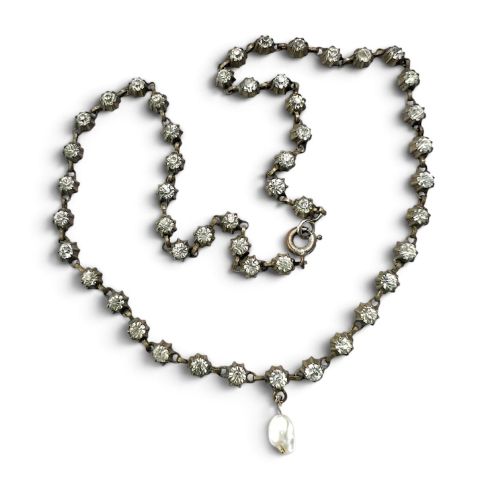
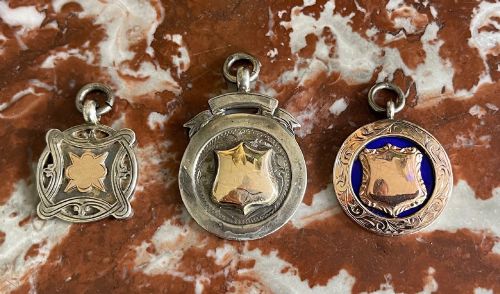
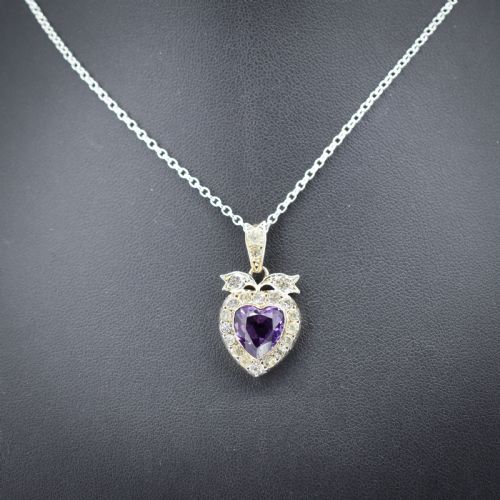
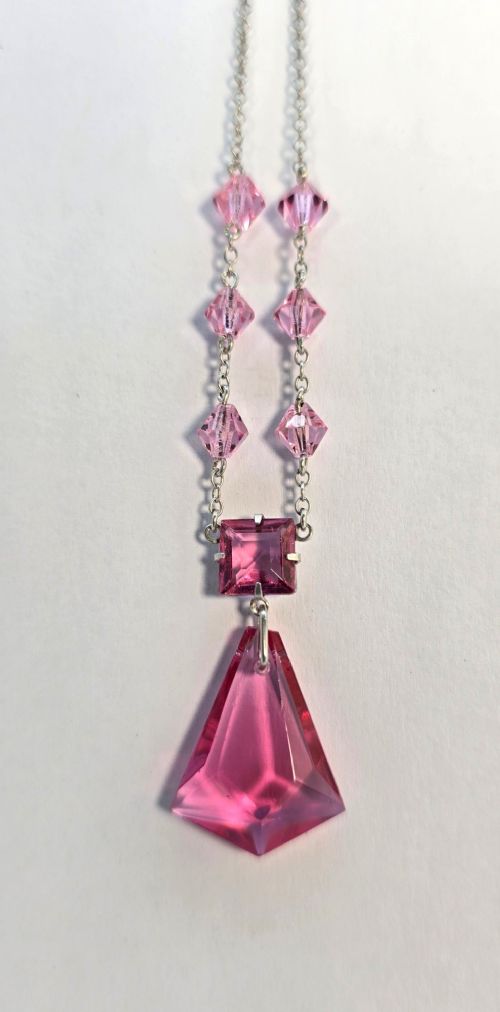
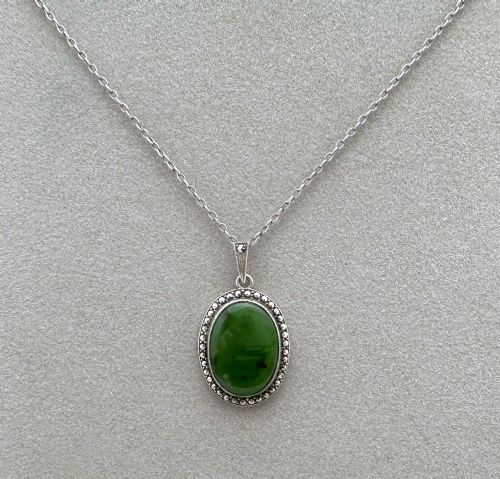
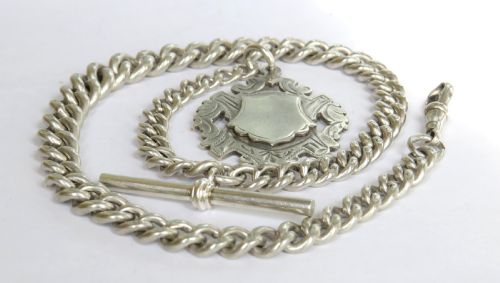
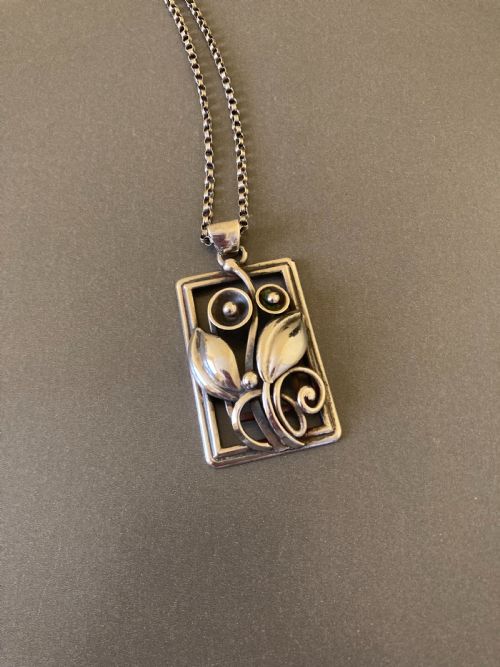
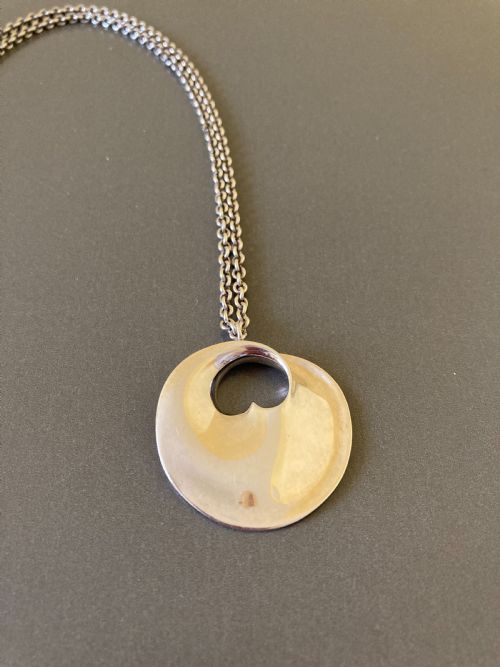
A silver chain pendant combines metalwork with suspended stones, lockets, or decorative fobs. When browsing this selection, you encounter items ranging from nineteenth-century Albert watch chains repurposed as necklaces to dedicated twentieth-century artist-designed pendants.
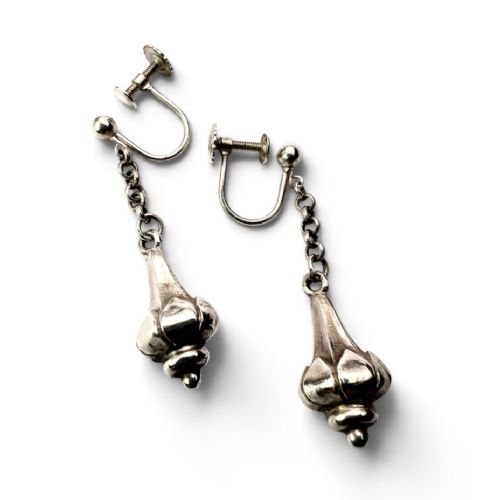
The objects span multiple eras, notably the Victorian, Edwardian, Art Deco, and Mid-Century periods. Forms include drop necklaces, heavy curb link watch chains with dog clips, and modernist silver motifs.
Origin points vary widely, covering British silversmithing hubs like Birmingham alongside Danish, Finnish, and French workshops.
How they were made
Makers shaped sterling silver and white metal through casting, piercing, and hand-engraving, often constructing robust curb links or delicate collars. Watch chains utilise heavy uniform links secured by T-bars and dog clips.
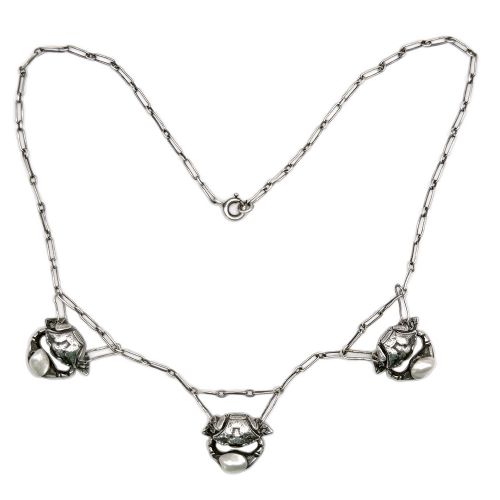
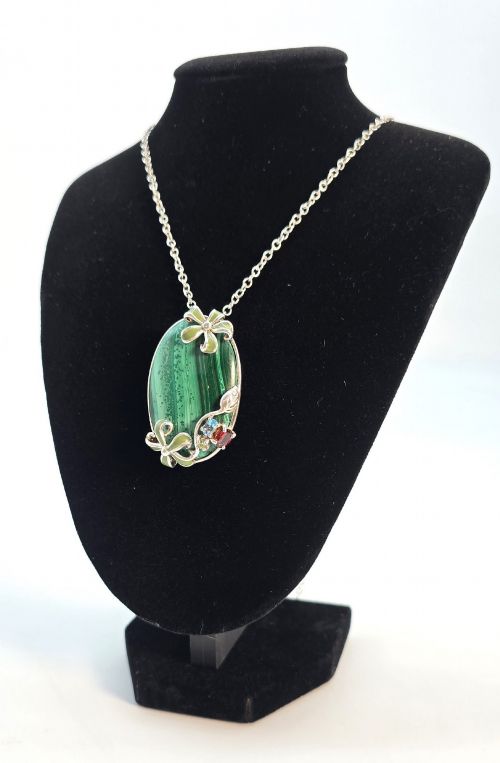
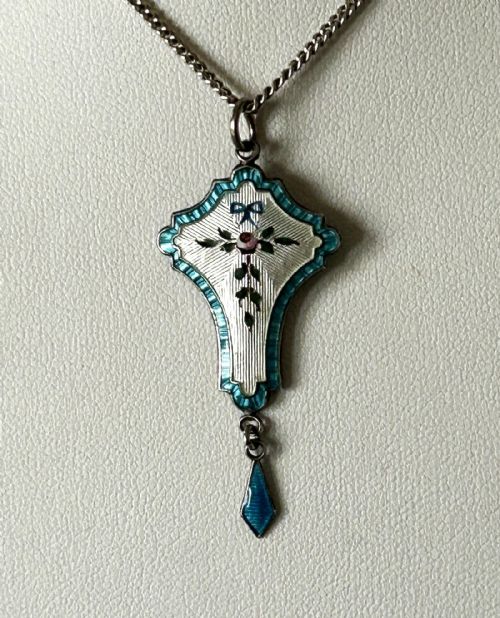
Pendants frequently incorporate vitreous enamel, gemstones, and paste stones set by hand. Artisans combined silver with gold accents, pearls, amethysts, turquoise, and opals to create contrasting textures.
Materials recorded across the archive include sterling silver, enamel, turquoise, opal, amethyst, malachite, and diamond.
What varies in quality
Quality rests upon the crispness of hand-engraving, the security of stone settings, and the structural integrity of links and clasps. Pieces bearing clear hallmarks or attributed to notable designers command greater attention from collectors.
The depth of enamelling and the selection of matched natural stones rather than glass paste differentiate standard commercial output from accomplished workshop production.
G. Hoppe·Georg Jensen·Crisford and Norris·The Gaskins·WH Haseler·Liberty and Co·Charles Horner·Joseph Bladon·Nanna Ditzel
The Silver Chain Pendant Glossary
- Albert chain
- A pocket watch chain designed to attach to a waistcoat, frequently converted into a necklace today. These heavy chains often feature curb links and a T-bar.
- Paste
- Hand-cut glass or lead crystal used to imitate gemstones in antique jewellery. It is faceted and foiled to catch the light.
- Dog clip
- A spring-loaded clasp used on watch chains and necklaces to secure fobs or pendants. It operates with a thumb lever.
- Vesta
- A small pocket container designed for holding matches, often adapted as a pendant or hung from a chain. They frequently feature engraved ornamentation.
- Fob
- A short decorative chain or medallion attached to a pocket watch. Many survive mounted independently on modern chains.
Silver Chain Pendant: Frequently Asked Questions
Can I wear an antique watch chain as a necklace?
Many people wear antique pocket watch chains around the neck by utilising the existing dog clip and T-bar fastenings. These robust chains offer a distinct heavy link aesthetic.
Ensure the length suits your preferred drop, as nineteenth-century chains vary considerably in sizing.
How do I date an Edwardian silver pendant?
Edwardian pieces often display delicate pierced metalwork, garlands, and pastel stones such as amethyst, peridot, or seed pearls. Examining maker marks and silver hallmarks provides a precise year of assay.
Stylistic influences from the preceding Arts and Crafts movement also help narrow the timeframe.
How do I care for antique enamel on silver?
Enamel consists of fused glass powder on metal, requiring protection from sharp impacts and harsh chemical cleaners. Store pendants individually to prevent scratching against other items.
Clean gently with a soft dry cloth rather than liquid dips.