
Silver Case Vintage Timepiece
When you search for silver case vintage timepiece, you are looking at portable and desktop timekeeping objects housed primarily in silver, spanning centuries of horological design.
Silver Case Vintage Timepiece
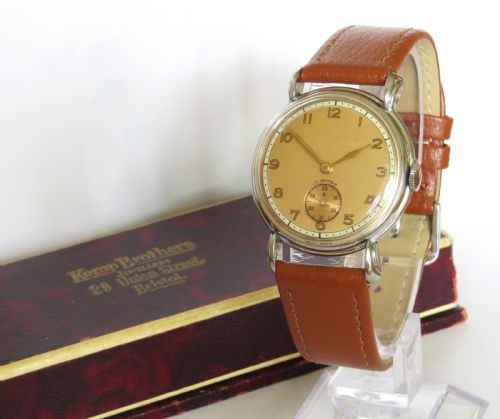
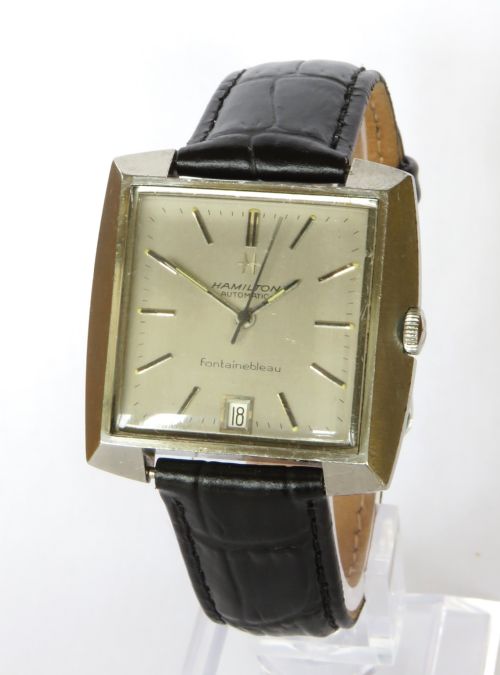
When searching for a silver case vintage timepiece, buyers encounter a diverse array of objects spanning pocket watches, wristwatches, carriage clocks, and desk clocks housed in silver enclosures. These pieces originate from various eras, including the eighteenth century, the Victorian and Edwardian periods, and mid-century decades.
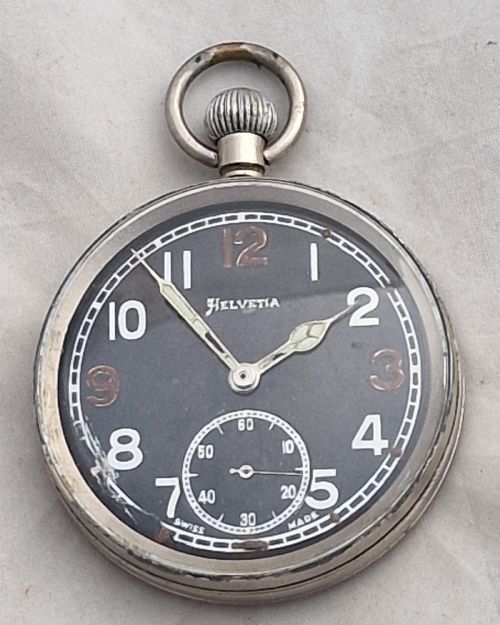
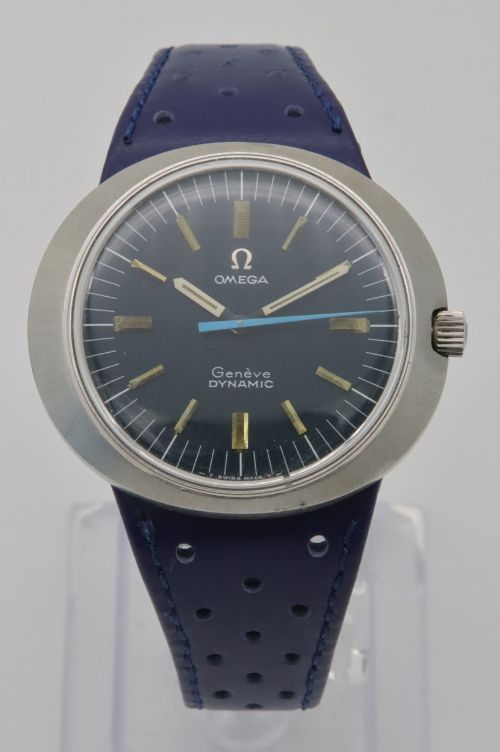
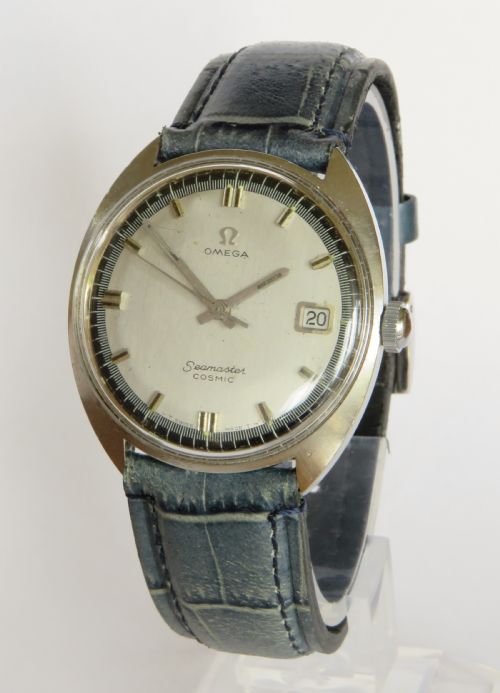
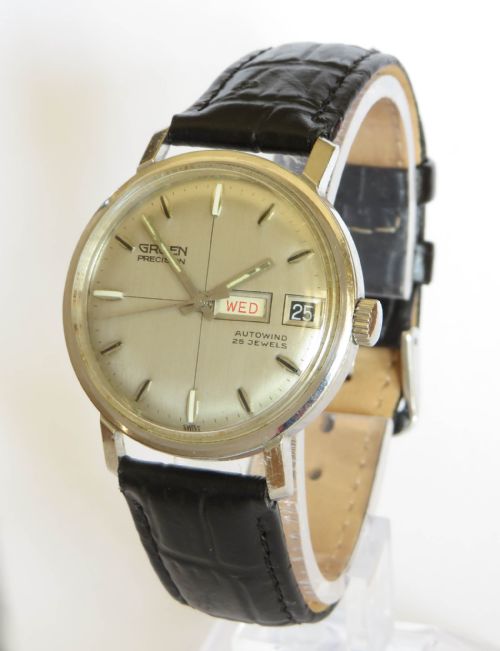
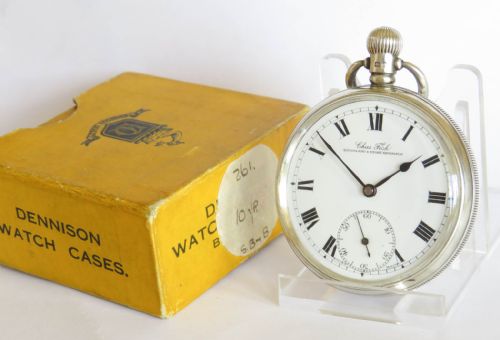
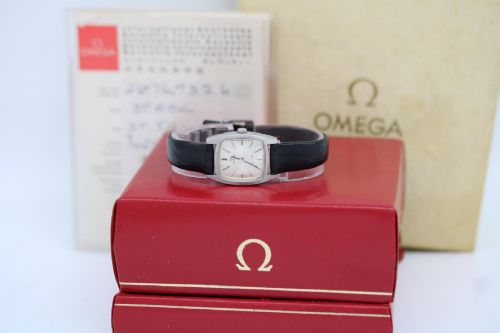
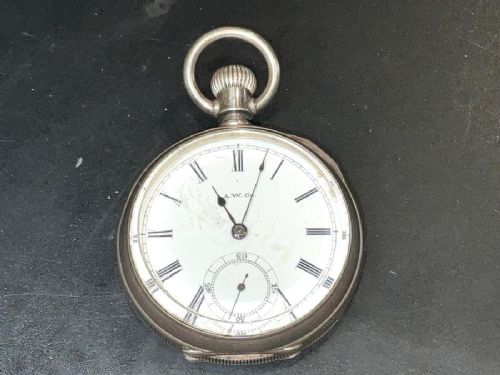
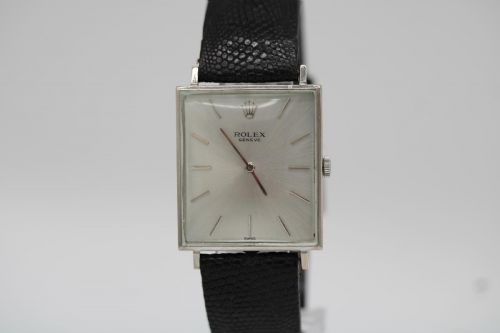
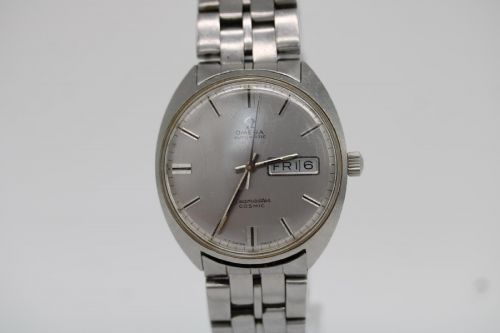
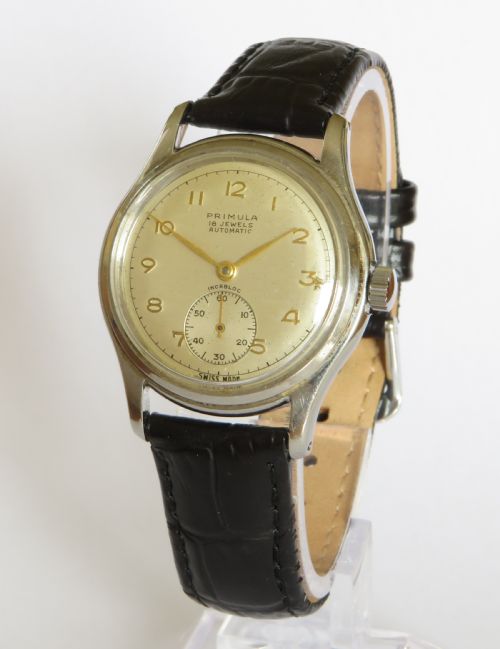
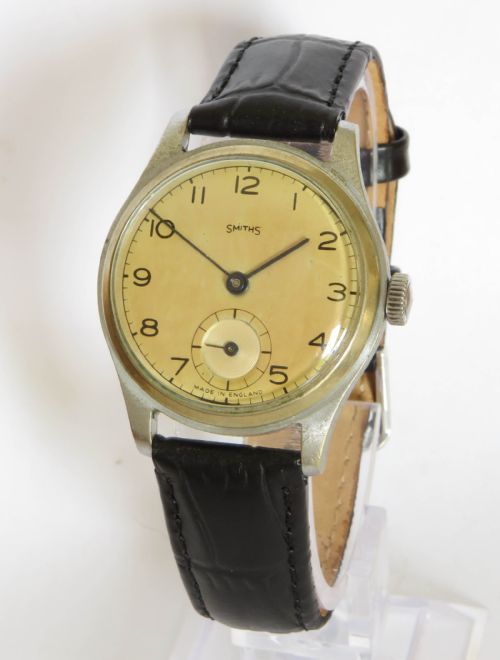
The most common versions met on this page are mid-century wristwatches and early-twentieth-century pocket watches, alongside desk and carriage clocks housed in silver cases. Pocket watches often include Waltham, Cyma, and Helvetia examples, while wristwatches feature makers such as Omega, Tudor, and Gruen.
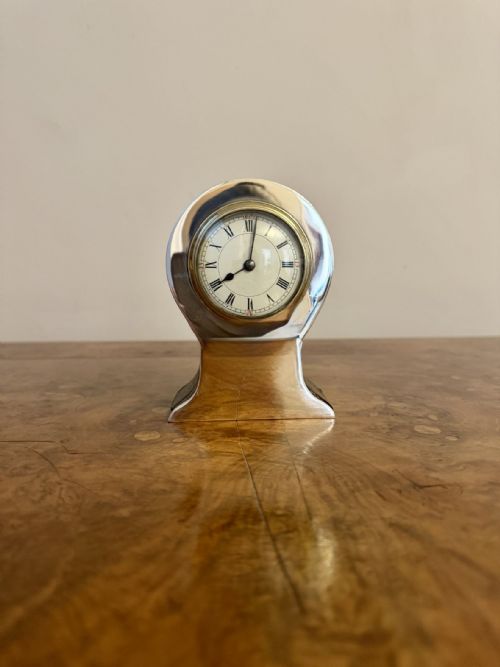
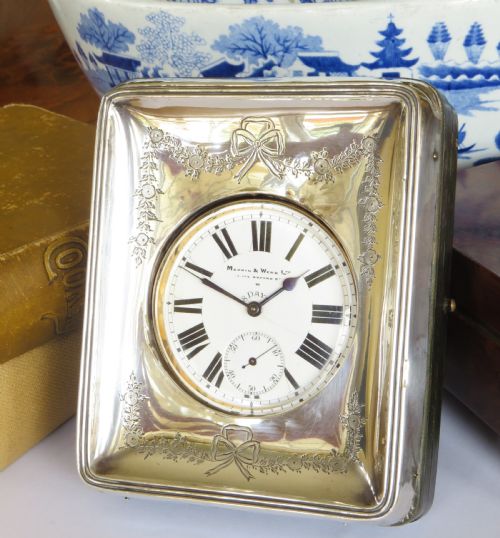
Forms range from small early pair-cased pocket watches to Art Deco skyscraper easel desk clocks and substantial mantel timepieces. Originating from Swiss, English, and French makers, these items combine utilitarian function with decorative silver housing.
How they were made
The construction of these pieces relies on silver for the protective outer cases, paired with internal brass movements, steel gears, and glass or acrylic watch crystals. Enamel dials and leather straps frequently complete the assembly, alongside occasional chrome-plated or rhodium-plated elements on travel and atmospheric clocks.
Watchmaking techniques involve intricate mechanical movements, manual-wind calibres, and early automatic systems housed inside hallmarked silver cases. Silversmiths shaped the protective outer shells through casting, chasing, and turning, creating hinged hunter cases, pair cases, and easel desk stands.
Listings span from the 18th century through the Victorian, Edwardian, and Art Deco eras to the 1970s.
What varies in quality
Quality differences appear in the precision and finish of the internal mechanical movement, ranging from standard Swiss ebauches to adjusted chronometer-grade calibres. The craftsmanship of the silver case itself also varies, separating simple utility enclosures from heavily chased, hallmarked, or architecturally styled desk and carriage clock housings.
The integrity of the dial, original hands, and signed movements separates untouched or well-preserved examples from those with replacement components. Documented origins, original boxes, and signed dials by established makers elevate the standing of an individual piece within its period.
Omega·Waltham·Cyma·Tudor·Gruen
The Silver Case Vintage Timepiece Glossary
- Pair cased
- A pocket watch construction featuring an inner case that holds the movement and an outer protective case. This method was common in eighteenth-century English watchmaking.
- Verge escapement
- An early mechanical escapement mechanism utilising a crown wheel and a verge axis with pallets. It governs the release of power in older pocket watches.
- Chronograph
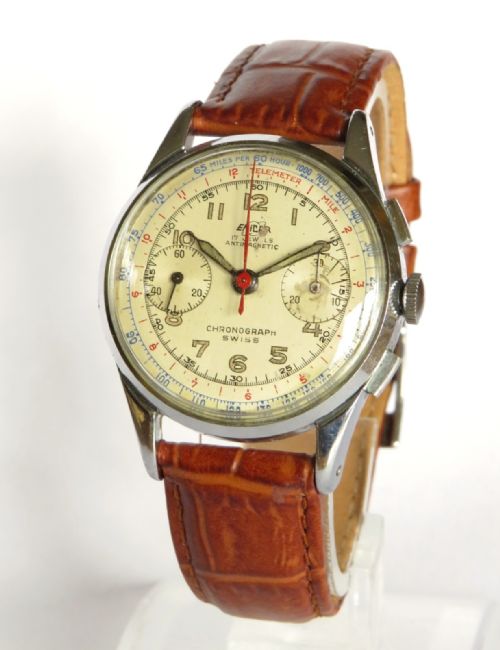
- A timepiece equipped with a secondary stopwatch function operated by independent pushers. It allows the measurement of elapsed time alongside regular hour and minute display.
- Hermetic watch
- A timepiece design featuring an inner watch movement sealed inside an outer container to prevent dust and moisture ingress. These appeared frequently in the early twentieth century.
- Carriage clock
- A small, spring-driven clock designed for travel, typically featuring a glazed brass or silver case with a swinging handle on top. They originated in the nineteenth century for officers and travellers.
Silver Case Vintage Timepiece: Frequently Asked Questions
How do I wind a vintage mechanical watch?
Wind the crown gently in a clockwise direction until gentle resistance is felt, avoiding over-winding to protect the mainspring.
For automatic models, normal daily wrist movement maintains the power reserve, though manual initial priming may be required after periods of inactivity.
Are silver cased pocket watches waterproof?
Historical silver pocket watches lack modern rubber gaskets and modern waterproof sealing technology. Moisture and water immersion will damage the delicate paper washers, dials, and steel internal components.
Keep these timepieces away from rain, humidity, and water sports during daily use.
How do I clean a silver watch case?
Use a dry or very lightly dampened microfibre cloth to remove surface dust and fingerprints from the silver exterior. Avoid harsh chemical dips or abrasive silver polishes that can wear away engravings, hallmarks, and plated finishes.
Take care to keep cleaning agents away from glass or acrylic crystals and internal watch movements.
What is the difference between a pocket watch and a carriage clock?
Pocket watches are personal timepieces designed to be carried in a waistcoat pocket or attached to a chain, featuring slim profiles and protective covers. Carriage clocks are portable desk or travel clocks housed in substantial glazed cases with carrying handles on top.
Carriage clocks sit upright on flat surfaces and rely on larger spring-driven movements for home or office use.