





Silver Capped Bottle
A silver capped bottle brings together bright metal and coloured glass or leather for the pocket, vanity or bar.
Silver Capped Bottle
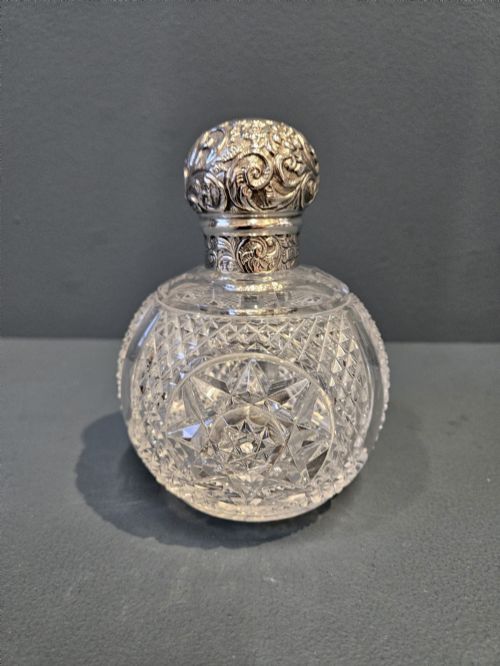
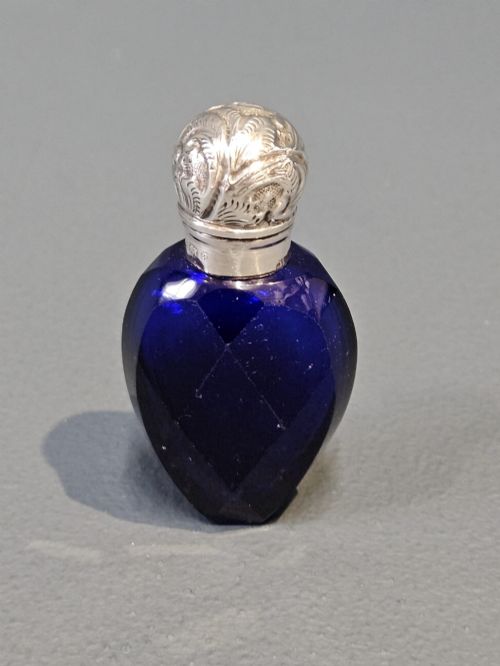
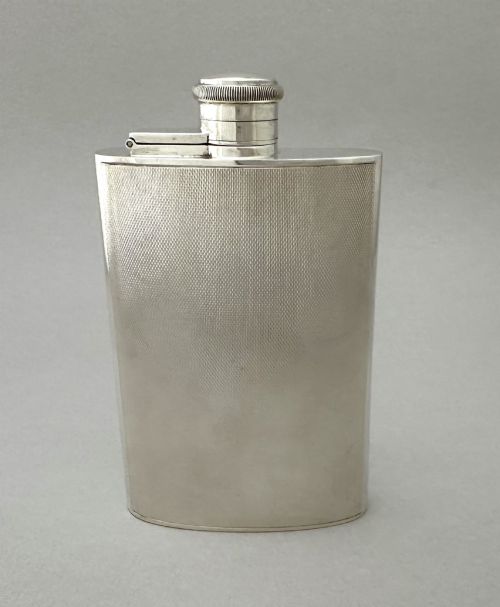
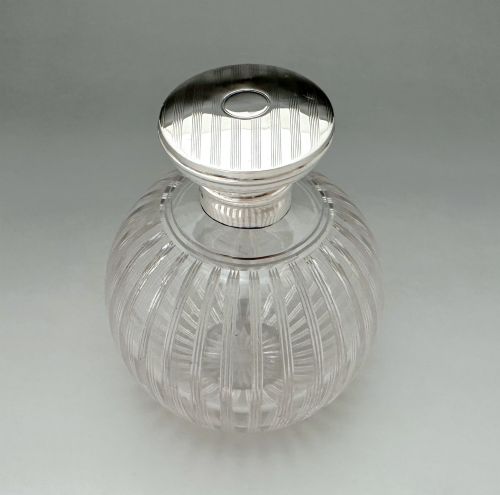
A silver capped bottle combines protective metal mountings with glass bodies, leather cases, or ceramic vessels intended for personal grooming, travel, or entertaining. When you search for a silver capped bottle, you encounter diverse forms ranging from scent and perfume bottles to pocket hip flasks and tall vanity jars.
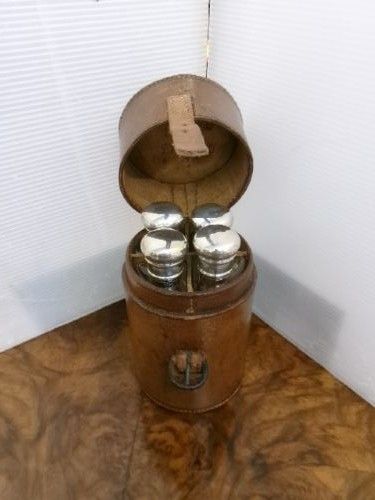
The pieces span the Victorian, Edwardian, and Art Deco periods, encompassing English and French origins. Common configurations include round leather cases housing multiple flasks, miniature liquor bottles, and heavy overlay glass containers.
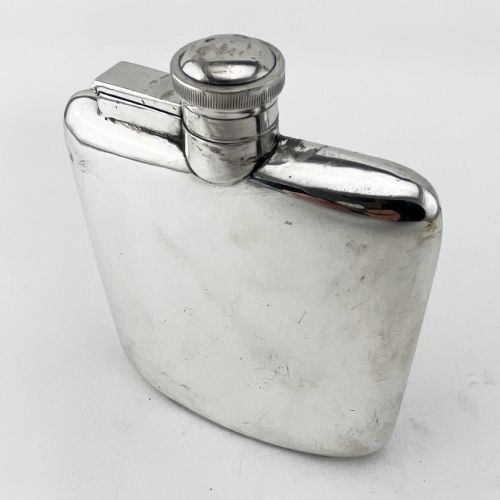
Scent bottles dominate the offerings, often rendered in cranberry, green, amethyst, or white opaline glass encased in decorative silver work. Alternatively, sturdy sterling silver hip flasks and barware represent the more utilitarian side of these metal-topped vessels.
Materials and construction
Makers combined sterling silver mounts, screw caps, and hinged lids with blown or cut glass bodies. Coloured overlay glass, mercury glass, and clear cut glass provided rich visual texture beneath the metal work.
Leather cases and crocodile or alligator skins provided robust housing for sets of pocket flasks. Velvet interiors often cushioned miniature scent bottles within fitted cased collections.
Silver Capped Bottle Retail Price Guide 2026
Typical asking prices for silver capped bottle among the pieces listed under this phrase on Sellingantiques today, from the lower quarter to the upper quarter. They describe what is for sale here now, not the wider market.
The listings show pieces spanning the Victorian, Edwardian, and Art Deco periods, utilising sterling silver, cut glass, leather, and coloured glass.
Assessing craftsmanship and condition
Quality rests in the weight and thickness of the sterling silver caps, collars, and hinged mechanisms, alongside the depth of hand-cut or layered glass. Intricate overlay glass work and robustly fitted leather or exotic skin housings separate superior examples from standard utility items.
The precision with which a screw cap seals or a hinged lid snaps shut indicates the original standard of manufacture. Intact glass without internal fractures and crisp hallmarks on the silver elevate the desirability of the piece.
William Neale
The Silver Capped Bottle Glossary
- Overlay glass
- A glass vessel formed of two or more distinct layers of different colours, where the outer layer is partially cut away to reveal the contrasting colour beneath.
- Sterling silver
- An alloy of silver containing 92.5 percent pure silver and 7.5 percent other metals, typically copper, used for the caps, collars, and bodies of these containers.
- Opaline glass
- An opaque or translucent glass popular in the nineteenth century, produced in white and various pastel shades for vanity and dressing table accessories.
- Cranberry glass
- A rich red glass coloured with gold chloride, frequently utilised for Victorian scent bottles mounted with silver tops.
- Hallmark
- An official mark stamped on precious metals indicating the purity, the assay office, and the date letter for the year of manufacture.
Silver Capped Bottle: Frequently Asked Questions
How were perfume bottles used?
Victorian and Edwardian users carried them in pockets, reticules, or displayed them on mirrored dressing trays. They held liquid fragrances or smelling salts for daily freshness.
Cased sets allowed travellers to carry multiple scents or liquors securely during journeys by carriage or rail.
How do I date a silver top?
Assay office hallmarks stamped onto the silver caps provide the most reliable indicator of age. These tiny marks show the city of assay and a specific letter corresponding to the year of manufacture.
Stylistic shifts, such as the transition from ornate Victorian engraving to geometric Art Deco lines, offer secondary clues to the period.
Are the glass bodies original?
Most surviving examples retain their matched original glass bodies, especially when fitted into custom leather cases or intricate silver overlay. Coloured glass types like cranberry, green overlay, and opaline strongly correlate with nineteenth-century production.
Close inspection of the collar cement and fit helps confirm that the silver cap and glass bottle started life together.