



Silver Bottle Bucket
These silver bottle bucket pieces keep wine and champagne chilled in style, drawing on decades of dining tradition.
Silver Bottle Bucket
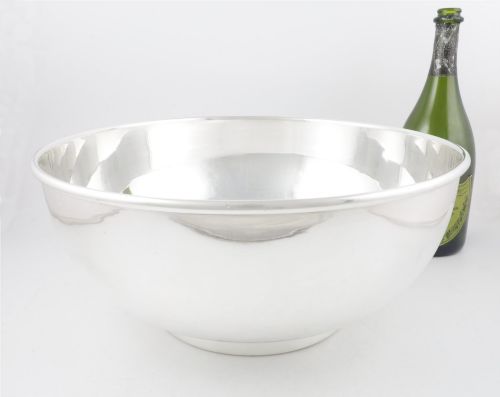
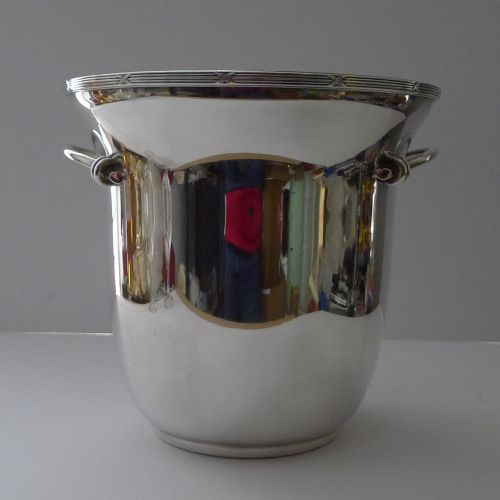
A silver bottle bucket serves primarily to hold ice and wine or champagne bottles at the table, drawing from forms seen across the nineteenth and twentieth centuries. These vessels range from Victorian wine holders and Edwardian examples to mid-century French bistro bowls and Art Deco champagne buckets.
The most common versions encountered here are silver plated wine coolers and champagne buckets dating from the Victorian era through to the 1960s. These pieces often originate from English makers or Parisian workshops like Christofle, reflecting both formal dining traditions and restaurant service.
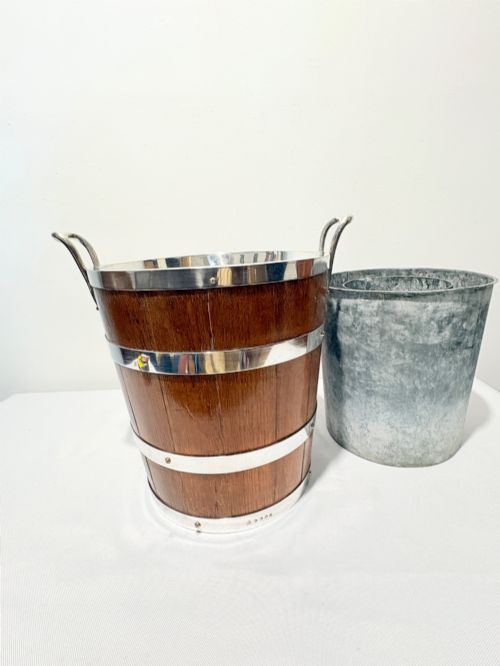
Alongside traditional buckets, the selection includes oak and silver plated coolers, pewter champagne bowls, and Old Sheffield plated wine coolers. The forms encompass barware, wine coasters, and large magnum holders designed for practical hospitality.
How they were made
Makers shaped these vessels using metals such as silver plate, Sheffield plate, copper, pewter, and solid silver, frequently combining them with oak for insulation or structure. Heavy embossing and clean mid-century lines show the contrasting techniques applied across different decades.
French workshops and English silversmiths utilised traditional metalworking methods to produce robust bodies capable of holding ice and liquid over extended periods. Surface decoration ranges from plain polished metal to heavily embossed motifs and engraved coats of arms.
Silver Bottle Bucket Retail Price Guide 2026
Typical asking prices for silver bottle bucket among the pieces listed under this phrase on Sellingantiques today, from the lower quarter to the upper quarter. They describe what is for sale here now, not the wider market.
Some pewter bowls retain faint aromas of Paris restaurants, having spent decades chilling champagne before finding a new life on collector tables.
What varies in quality
The distinction between standard production and exceptional work rests on the weight of the metal, the crispness of any embossing, and the integrity of the plating. Heavier gauge silver plate and solid construction denote pieces intended for rigorous service in restaurants or grand dining rooms.
Attribution to notable designers or established firms, such as Christofle, Ercuis, or James Dixon & Sons, elevates an object above anonymous commercial wares. The quality of finish, balance in the hand, and survival of original maker marks further define the standing of each piece.
Christofle·Ercuis·James Dixon And Sons·Luc Lanel·Lino Sabatini
The Silver Bottle Bucket Glossary
- Silver Plate
- A thin layer of silver bonded to a base metal core such as copper or nickel brass. This technique allowed makers to achieve the appearance of solid silver at a lower cost.
- Old Sheffield Plate
- An early method of fusing a sheet of silver to a copper ingot before rolling them together into plates. It is typically associated with eighteenth and nineteenth-century production.
- Gallia
- A high-quality silver-plated metal alloy developed and utilised by the French manufacturer Christofle. It became synonymous with luxury tableware and Art Deco designs.
- Magnum
- A larger bottle format holding equivalent to two standard wine bottles. Buckets designed for magnums feature increased internal capacity to accommodate the wider base.
Silver Bottle Bucket: Frequently Asked Questions
How do I clean a silver bottle bucket?
Wash the vessel gently in warm, soapy water using a soft cloth to remove any residue from ice or wine. Avoid harsh abrasive cleaners that can damage silver plate or old patina.
Dry the metal thoroughly with a soft towel to prevent water spots. If polishing is necessary, use a specialised silver cream applied sparingly.
Can these buckets hold ice for long periods?
These vessels were built to keep bottles chilled during a meal by holding ice and water around the glass. Metal conducts temperature quickly, so they cool down fast.
For extended events, topping up the ice ensures the wine remains at the correct temperature. Oak-lined or heavier walled examples often provide additional insulation.
How can I tell the period of a piece?
Makers marks, style indicators, and material choices offer clear clues to the date of manufacture. Art Deco pieces display geometric lines typical of the 1940s, while Victorian items often feature heavy embossed ornamentation.
Stamps and hallmarks on the base of the metal frequently point to specific silversmiths or manufacturing decades.