




Silver Bayonet Cap Flask
A silver bayonet cap flask is a pocket companion for spirits, designed to seal securely against spills through a twisting mechanism.

Silver Bayonet Cap Flask
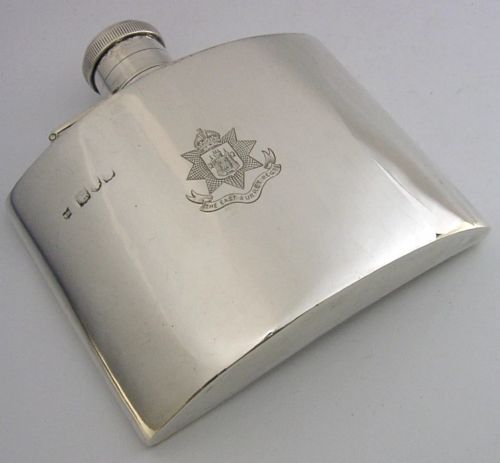
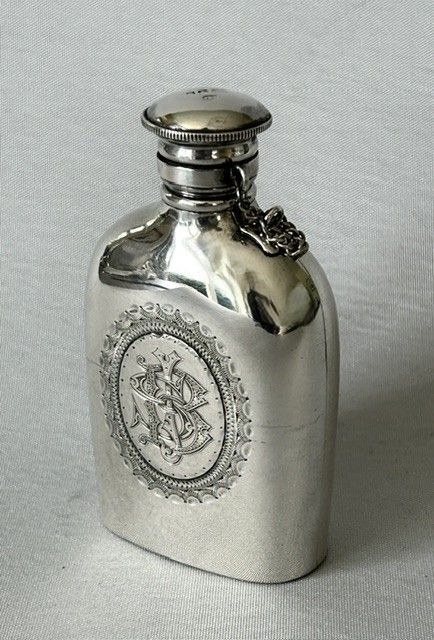
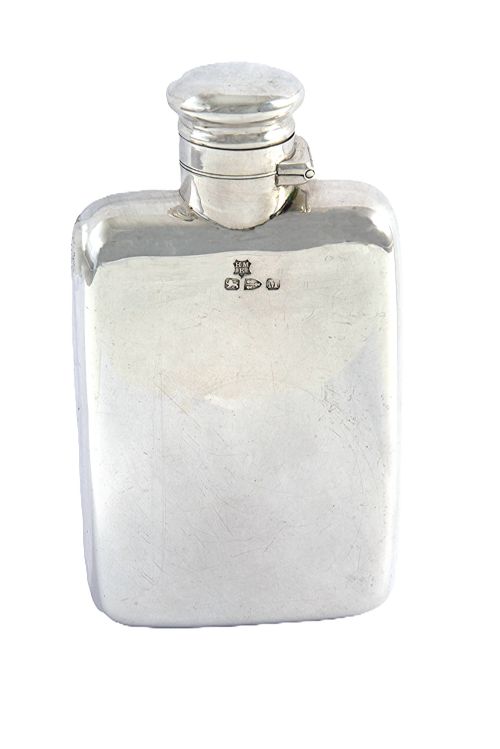
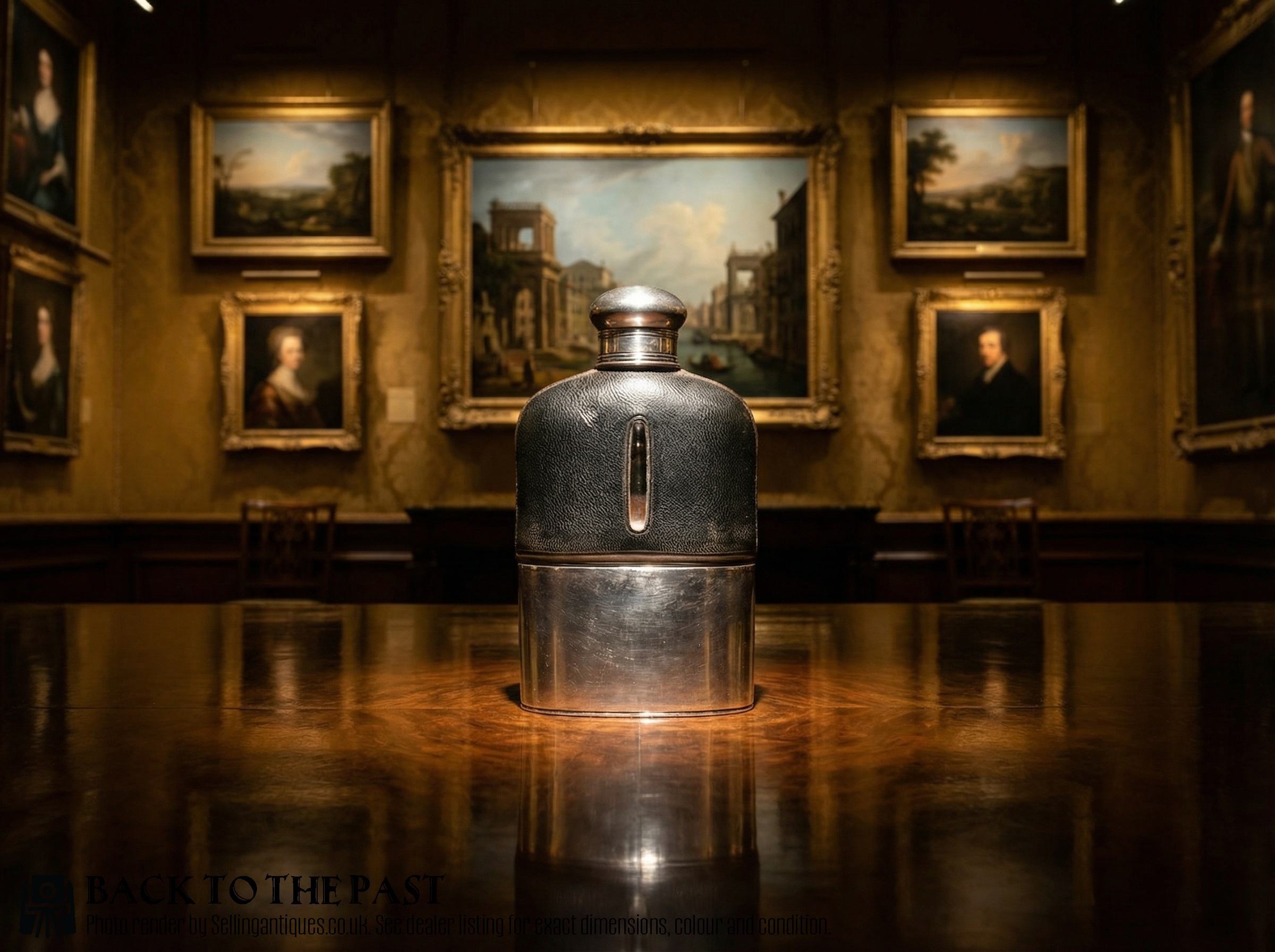
A silver bayonet cap flask is a portable vessel for spirits that relies on a twist-and-lock stopper rather than a traditional screw thread. These pieces appear frequently across the Victorian, Edwardian, and Art Deco periods, spanning from the late nineteenth century into the nineteen thirties.
Most examples combine precious metalwork with glass or leather components, often taking the form of pocket hip flasks. Specimens range from plain sterling silver bodies to combinations featuring cut glass panels or wrapped crocodile skin and leather.
Makers produced these items for outdoor pursuits and military use, resulting in surviving pieces that bear hallmarks from provincial assay offices like Chester and Sheffield, as well as major centres such as Birmingham.
Judging quality and execution
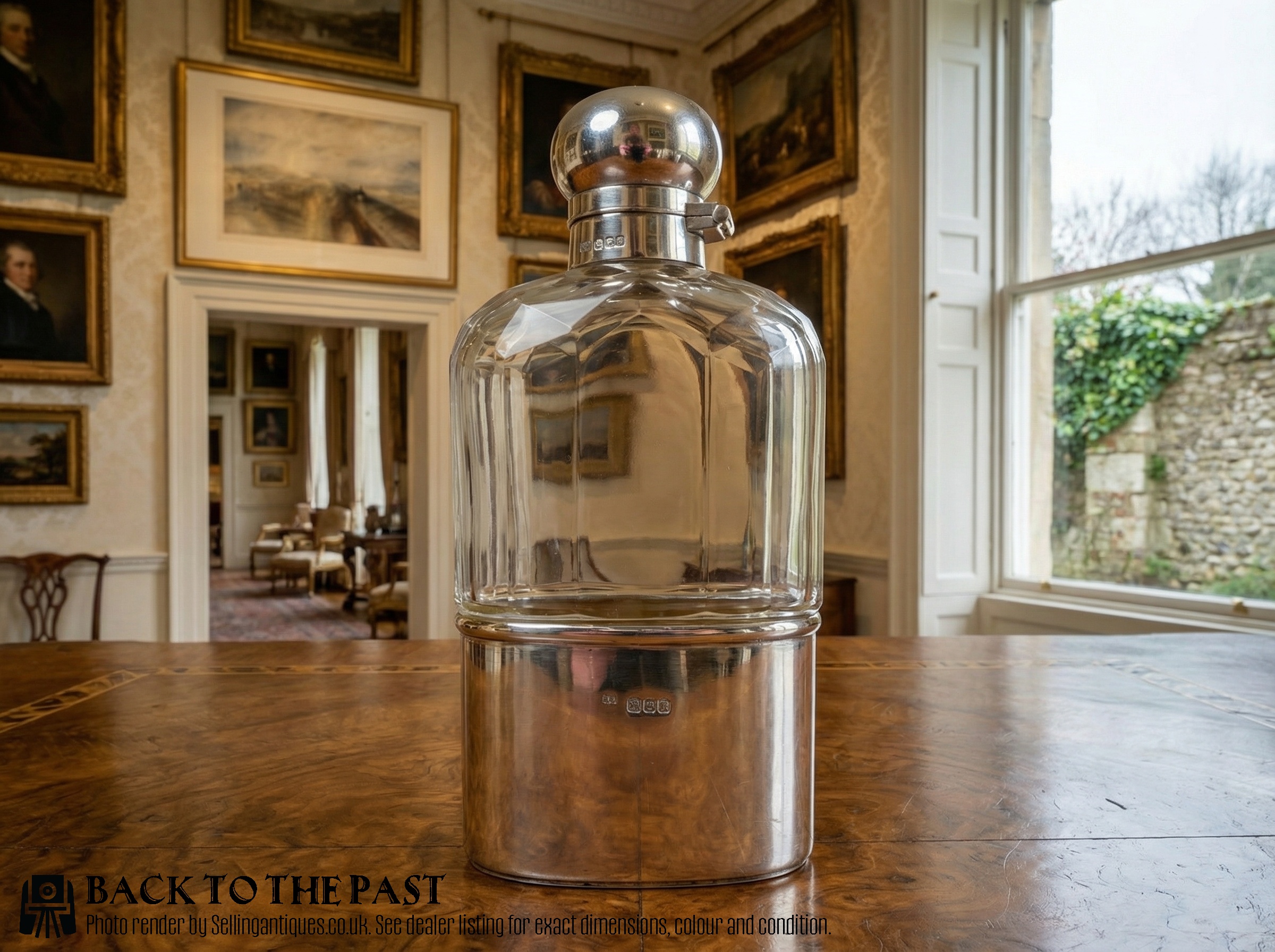
The standard of a silver bayonet cap flask rests on the crispness of its hallmarks, the weight of the metal utilised, and the precision of the closure mechanism. Superior examples maintain a tight seal when the cap is rotated into place, showing no looseness in the pins.
Workmanship extends to the integration of secondary materials, such as the neatness of stitching on crocodile leather wraps and the clarity of cut glass bodies. Pieces produced by recognised silversmiths often display finer detailing in the engraving and overall proportions.
Silver Bayonet Cap Flask Retail Price Guide 2026
Typical asking prices for silver bayonet cap flask among the pieces listed under this phrase on Sellingantiques today, from the lower quarter to the upper quarter. They describe what is for sale here now, not the wider market.
William Neale·JB Chatterley and Sons·Asprey·James Dixon·Edward Smith
The Silver Bayonet Cap Flask Glossary
- Bayonet cap
- A closure mechanism that secures with a push and a short twist rather than a continuous thread. This design prevents accidental loosening in a pocket.
- Removable cup
- A lower section of silver that slips off the bottom of the flask to serve as a drinking vessel. It is often gilt-lined inside.
- Sterling silver
- An alloy containing standard proportions of silver and other metals to ensure durability. British pieces carry distinct town and date hallmarks.
- Cut glass
- Glass decorated with faceted patterns cut into the surface by wheel grinding. It adds weight and visual texture to the body of the flask.
- Hallmark
- An official stamp indicating the purity of the metal, the assay office, and the year of manufacture. These marks provide a precise historical record.
Silver Bayonet Cap Flask: Frequently Asked Questions
How does a bayonet cap work?
The cap pushes down over a cork inside the collar and twists a short distance to lock into opposing pins. This action compresses the seal quickly and prevents leaks.
Opening the flask requires a reverse twist and a gentle pull against the internal spring pressure of the cork.
Were these flasks used by the military?
Officers and regiments often carried silver flasks during campaigns and active service. Pieces frequently bear military association or regimental engraving from eras such as the Boer War.
Rugged materials like crocodile leather helped protect the flasks during field use.
Can I still use an antique flask?
Many surviving pieces remain structurally sound enough to hold spirits today. The primary consideration is the condition of the internal cork inside the bayonet cap.
A replacement cork may be necessary to ensure a watertight seal before filling.
How do I date my flask?
British silver pieces carry hallmarks that include a specific letter code for the year of assay. Comparing this letter against official assay office tables reveals the exact year of production.
Stylistic shifts between Victorian, Edwardian, and Art Deco designs also offer a reliable guide to the decade.