


Silver Arts Crafts Bowl
A silver arts crafts bowl brings hand-wrought integrity to the table, uniting tactile metalwork with vernacular form.
Silver Arts Crafts Bowl
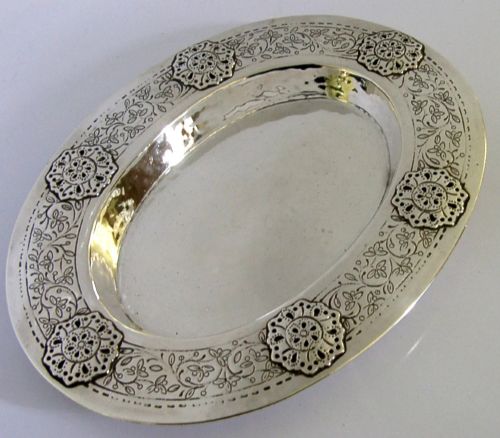
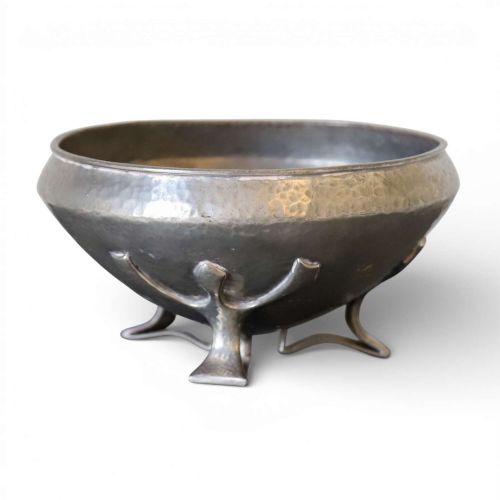
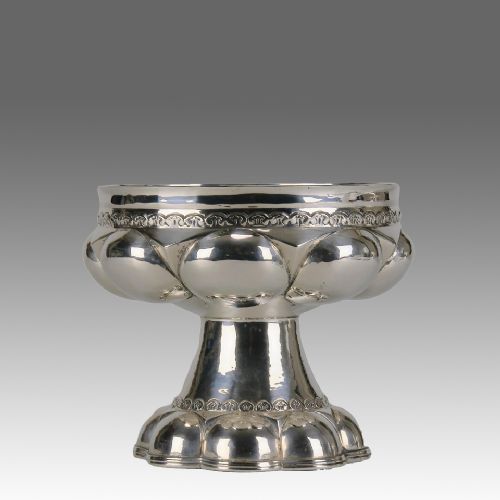
A silver arts crafts bowl embodies the rejection of mass production through honest, visible construction. Buyers searching this phrase encounter low-slung vessels, quaichs, tazzas, and porringers designed to celebrate the physical mark of the maker.
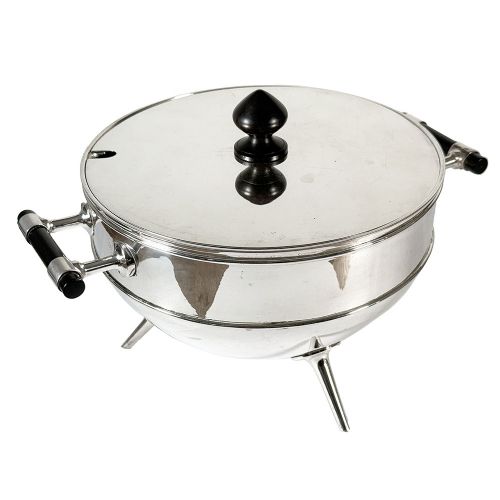
The objects span from the late nineteenth century through the Edwardian era and mid-twentieth century, drawing on Aesthetic Movement influences and traditional domestic forms. Sterling silver and pewter dominate the selection, often accompanied by elements of ebonised wood, ceramic, or cane.
Beyond standard decorative bowls, the category includes specialised serving pieces such as chalices, fruit bowls, and sugar basins. These items reflect a broad European and British output, ranging from Birmingham workshops to Scandinavian studios.
How They Were Made
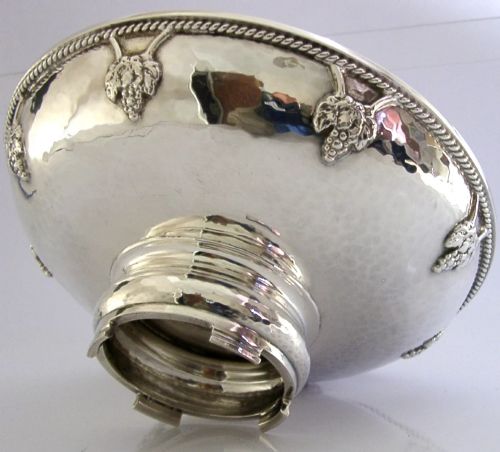
Silversmiths shaped these vessels by hand-hammering sheet metal over stakes, leaving deliberate, rhythmic facets known as planishing marks across the surface. This technique required immense skill to maintain uniform thickness while creating a textured finish that caught the light.
Workshops utilised sterling silver, silver plate, and pewter, frequently pairing the metal with contrasting organic materials like ebonised wood or stoneware. Rivets, wirework, and applied botanical motifs such as clover flowers often decorated the edges without concealing the structural joints.
Clover flowers hide around the rim of pewter dishes, waiting for someone to notice their quiet garden.
What Varies in Quality
Quality rests upon the confidence of the hand-hammering and the architectural balance of the form. Superior examples display crisp, intentional planishing that follows the contour of the vessel rather than mechanical regularity.
The distinction between standard commercial output and masterwork lies in the weight of the metal and the subtlety of the applied details. Well-executed handles, secure rivets, and harmonious proportions separate workshop pieces from ordinary production items.
R E Stone·A E Jones·Goldsmiths and Silversmiths Company·Liberty & Co·Oliver Baker·Nathan and Hayes·Hukin & Heath·Doulton Lambeth·Frank Butler·Roberts and Belk·John Barrett·Archibold Knox·Cecil R Walker·Jezler·George Edwards and Sons
The Silver Arts Crafts Bowl Glossary
- Planishing
- A silversmithing technique involving systematic hammer blows across a metal surface to harden the material and create a textured finish. This process leaves characteristic facets that define the aesthetic of hand-wrought silver.
- Tazza
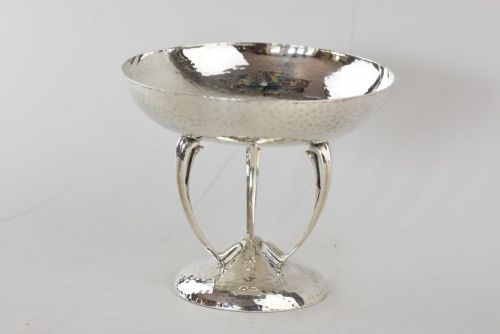
- A shallow bowl or cup raised upon a high foot or pedestal. These pieces were frequently utilised for serving fruit or small confectioneries.
- Tudric
- A brand name used by Liberty & Co. for a range of high-grade pewter alloy wares. These items were frequently designed by prominent artists associated with the movement.
- Porringer
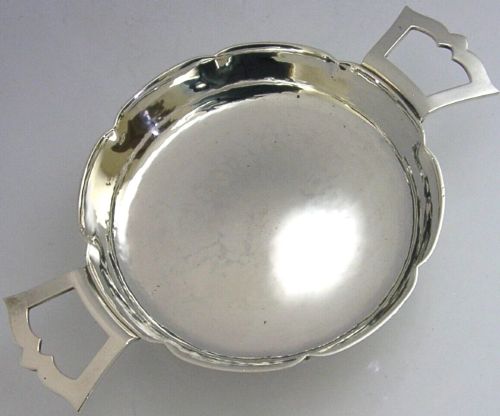
- A small, deep bowl equipped with one or two flat horizontal handles. Historically used for porridges or broths, they became decorative and domestic serving dishes in the twentieth century.
Silver Arts Crafts Bowl: Frequently Asked Questions
What defines an arts and crafts bowl?
These vessels prioritize manual craftsmanship and simple, honest construction over machine precision. Makers embraced visible hammer marks and naturalistic motifs to highlight the individual origin of each piece.
They reflect a philosophy that valued the artisan's labour and aesthetic integrity above industrial output, resulting in sturdy, functional domestic objects.
How do I care for antique silver and pewter?
Silver requires gentle cleaning with a specialised soft cloth and non-abrasive polish to preserve the original planished texture. Avoid harsh chemical dips that strip away the aged patina accumulated over decades.
Pewter needs only mild soapy water and thorough drying, as softer metal alloys scratch easily under aggressive cleaning methods.
Are these bowls suitable for daily use?
Solid silver and heavy pewter vessels were constructed for practical domestic service and withstand regular handling. Many function well today as serving dishes for dry foods, fruit, or sweets.
Pieces incorporating delicate enamel or organic materials like cane and wood require more careful handling to prevent structural damage.
How do I identify the maker?
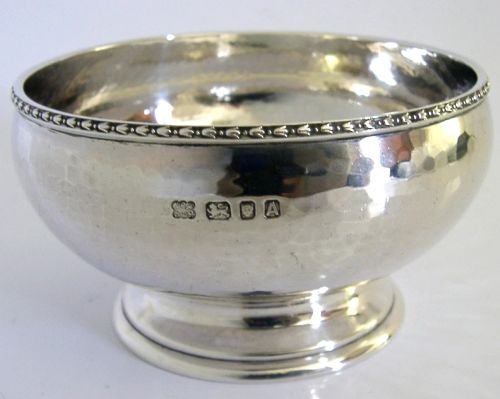
Maker marks, town hallmarks, and date letters are typically stamped into the underside or rim of silver vessels. Pewter items often carry model numbers and specific workshop stamps, such as Tudric.
Matching these punch marks against historical records reveals the specific silversmith, workshop, or manufacturing year.