


Silver Art Spoon
A silver art spoon brings functional elegance to the table, uniting practical utility with distinct period design.
Silver Art Spoon
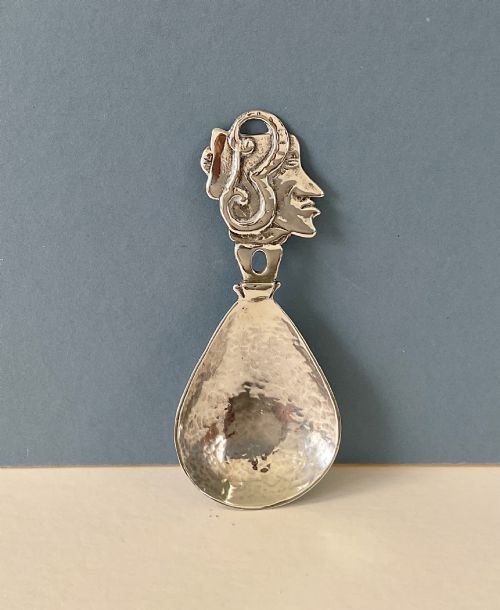
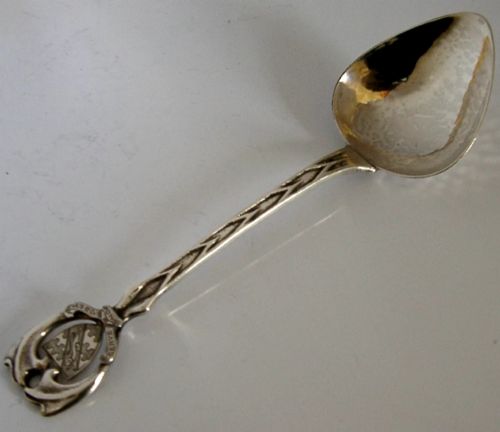
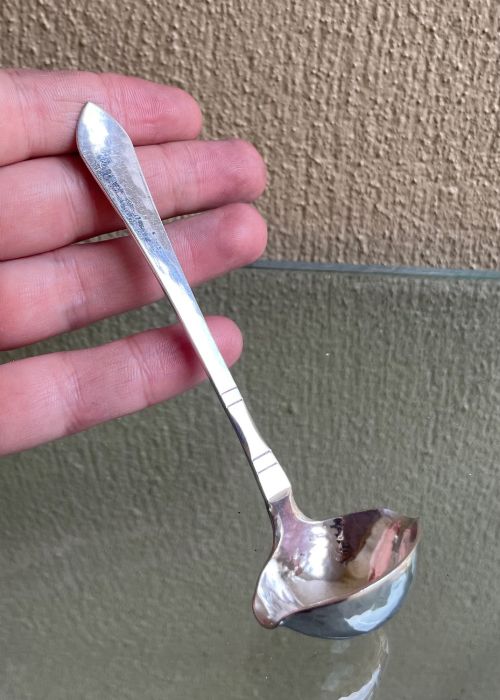
A silver art spoon encompasses small tableware forms such as teaspoons, coffee spoons, caddy spoons, and serving pieces created during eras of notable design change. Buyers seek these items for their distinct decorative qualities and connection to specific historical movements. The pieces on this page span several decades, originating from around eighteen-ninety through nineteen-fifty, reflecting shifts in taste across British, Scandinavian, and European workshops.
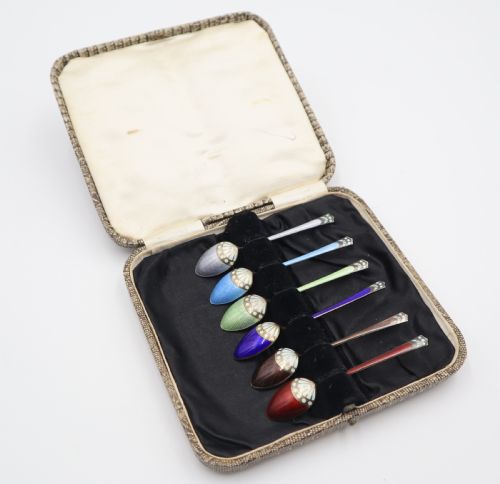
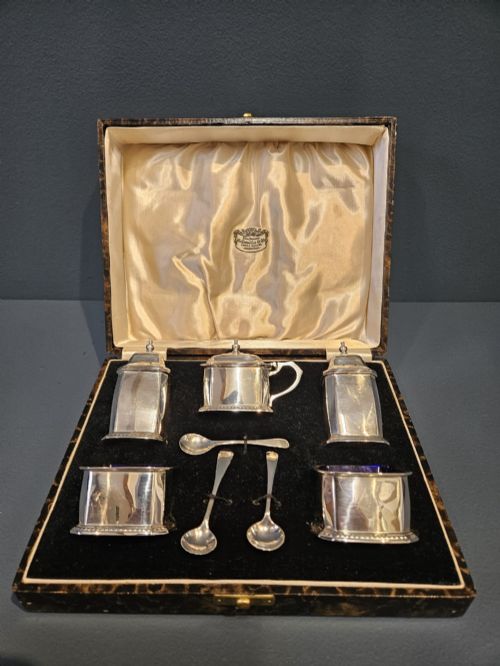
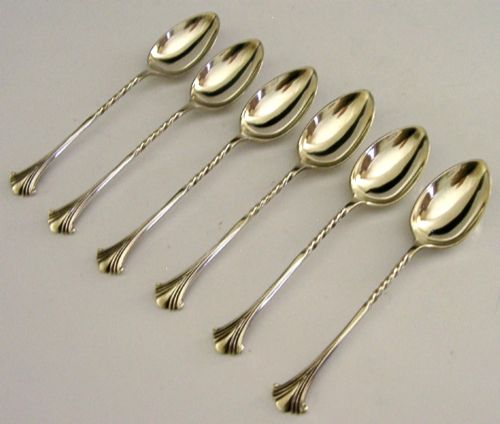
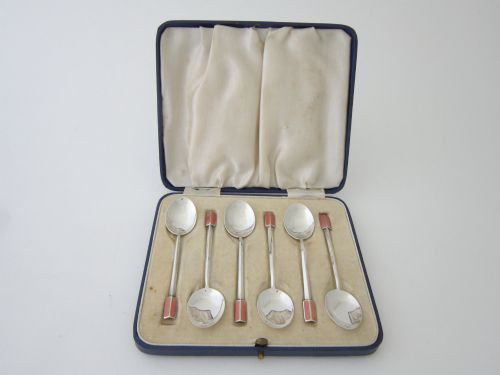
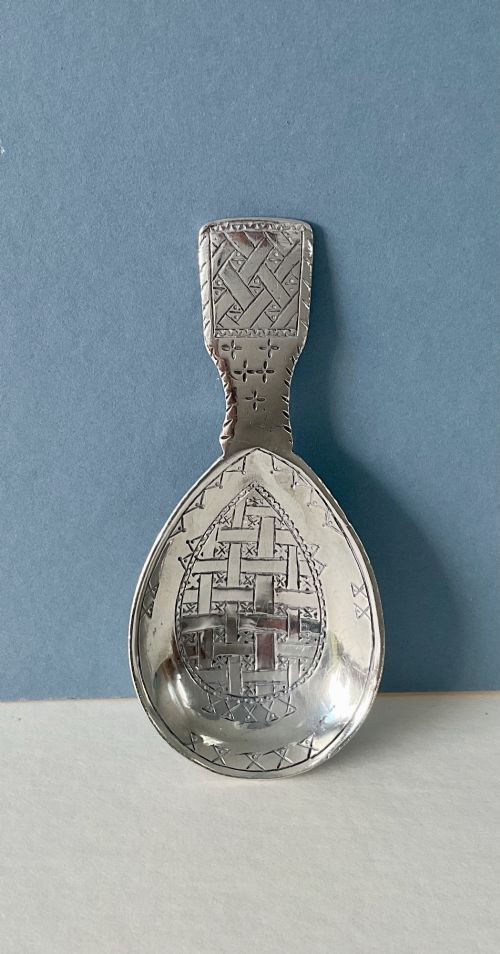
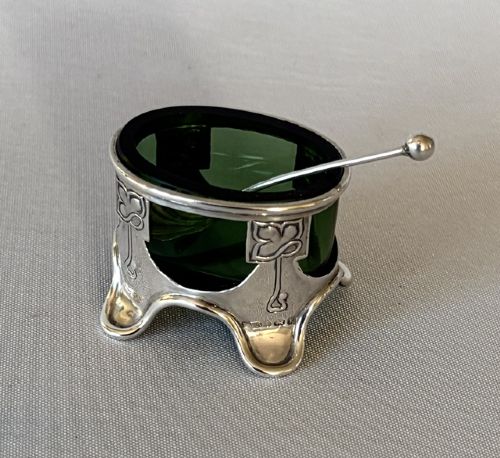
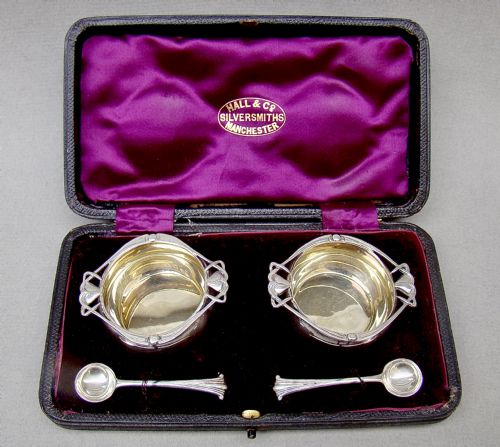
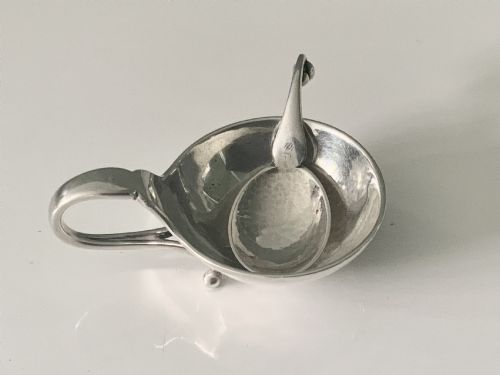
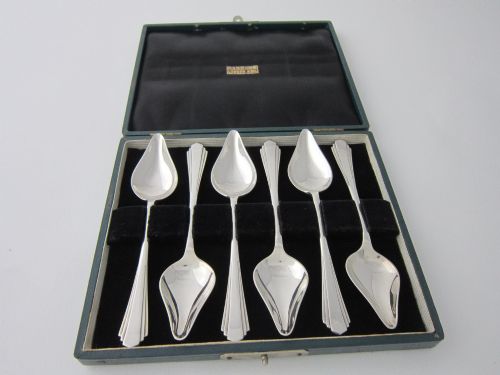
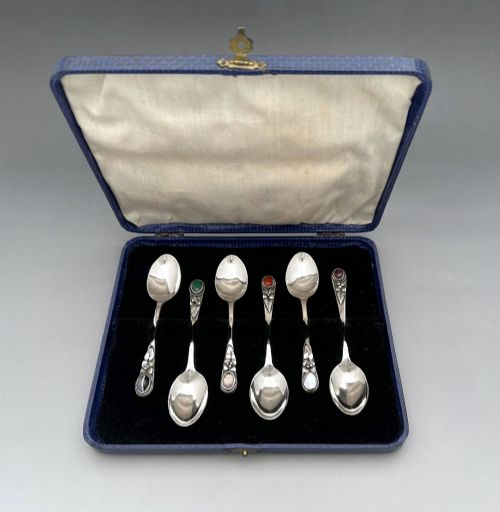
The version most commonly met on this page is the twentieth-century coffee or teaspoons set, frequently found housed in fitted presentation cases lined with satin, silk, or velvet. Alongside these cased sets, individual caddy spoons and salt cellars appear regularly, bearing the stylistic hallmarks of Art Nouveau, Art Deco, and the Arts and Crafts movement. These items range from plain sterling silver forms to elaborate examples incorporating enamel, silver gilt, and semi-precious stones.
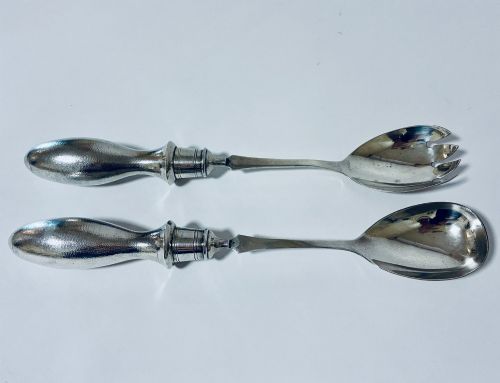
Originating largely from British assay offices in cities like London and Birmingham, as well as renowned Scandinavian makers, these spoons demonstrate diverse regional approaches to utilitarian objects. The curation includes Edwardian novelties, George V cruet components, and Scandinavian Modern serving pieces. Each object represents the intersection of fine silversmithing and the dominant artistic philosophies of its decade of manufacture.
Materials and Technique
Silversmiths utilised sterling silver and standard silver as the primary base materials for these spoons, often applying a layer of silver gilt to the interior bowls or entire surfaces for a rich, gold-toned finish. The manufacturing process combined traditional hand-wrought techniques with machine stamping, depending on the scale of production and the workshop involved. Makers shaped handles through casting and hammering, attaching bowls either by seamless transition or secure joining methods.
Enamel work frequently appears on twentieth-century pieces, providing vibrant colour contrasts through kiln-fired vitreous pastes applied within metal partitions. In Arts and Crafts examples, semi-precious stones and coloured glass inserts were hand-set into custom bezels on the terminals. Storage presentation cases utilised materials like leatherette paired with tactile interior fabrics to protect the delicate metallic and enamelled surfaces during transit.
Silver Art Spoon Retail Price Guide 2026
Typical asking prices for silver art spoon among the pieces listed under this phrase on Sellingantiques today, from the lower quarter to the upper quarter. They describe what is for sale here now, not the wider market.
Card suits spoons bring a playful touch of the gaming table straight into the afternoon tea service.
Distinctions in Quality
The distinction between standard commercial output and superior craftsmanship rests in the depth of hand-detailing and the integrity of the design execution. Top-tier pieces exhibit crisp chasing, perfectly balanced weight distribution, and hand-applied enamel that sits evenly within its recessed channels. Lesser examples rely on simple stamped blanks with minimal manual finishing, lacking the sculptural weight found in works by prominent designers.
The reputation of the maker and the presence of original fitted cases elevate certain items above standard utilitarian equivalents. Silversmiths associated with major design movements applied rigorous standards to proportion and finish, creating distinctive profiles that remain legible even on miniature items like coffee bean spoons. The clarity of hallmarks stamped into the metal further determines the historical value and documentary completeness of each piece.
Josiah Williams and Co·Georg Jensen·Worshipful Company of Haberdashers·Hamilton and Inches·Amy Sandheim·Evald Nielsen·Archibald Knox·Wilmot Manufacturing Co
The Silver Art Spoon Glossary
- Sterling silver
- A silver alloy containing ninety-two point five percent pure silver by mass and seven point five percent other metals, usually copper. This standard composition provides the durability required for functional cutlery while maintaining a bright metallic lustre.
- Caddy spoon
- A short-handled spoon specifically designed for measuring loose tea leaves from a caddy or storage jar. These spoons often feature wide bowls and decorative handles reflecting the stylistic period of their creation.
- Silver gilt
- Silver that has been coated with a thin layer of gold on its surface. This technique protects the underlying silver from tarnishing and adds a warm, luxurious tone to the object.
- Vitreous enamel
- A material made by fusing powdered glass to a metallic substrate by firing at high temperatures. It creates a smooth, durable, and brightly coloured decorative surface on metalwork.
- Assay office
- A statutory body charged with testing the purity of precious metal items and applying official hallmark punches. British offices include London, Birmingham, and Edinburgh.
Silver Art Spoon: Frequently Asked Questions
What is a silver art spoon used for?
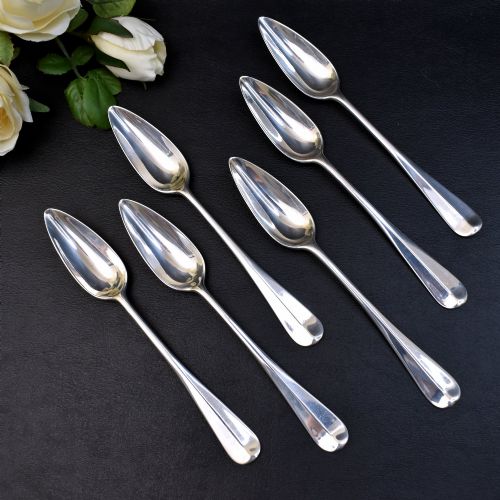
These spoons served specific domestic functions at the dining table, ranging from stirring coffee and measuring tea leaves to serving sugar, salt, and grapefruit. Their forms matched the exact culinary habits of their respective periods.
Today, they are largely collected for display or utilised during special dining occasions. Their compact size makes them accessible entry points into antique silver collecting.
How do I identify the period of a silver spoon?
Assay office hallmarks stamped directly onto the metal provide the most reliable indicator of age, detailing the year letter, maker's mark, and standard of silver. Comparing the overall design against known decorative movements offers secondary confirmation.
Stylistic cues such as geometric Art Deco lines or organic Art Nouveau curves align closely with specific decades of production. Packaging and original fitted presentation boxes can also help corroborate the manufacturing era.
How should I care for antique silver spoons?
Gentle cleaning with a soft cloth and specialised silver polish helps maintain the metallic sheen without removing thin surface layers or gilt. Avoid abrasive materials that can scratch softer metals and delicate enamel work.
Store pieces in dry environments away from direct sunlight, preferably within lined presentation cases or anti-tarnish rolls. Minimising exposure to moisture prevents chemical reactions that accelerate tarnishing.
What is the difference between teaspoons and coffee spoons?
Coffee spoons are noticeably smaller in scale than standard teaspoons, designed specifically for use with demitasse cups and smaller vessels. Their bowls and handles often feature more concentrated decorative motifs due to their miniature format.
Teaspoons offer a larger surface area suited for general beverage use and lighter dessert courses. Both types frequently appear in matching sets housed within dedicated presentation boxes.