



Silver Art Nouveau Tray
These pieces of a silver art nouveau tray deliver sweeping organic curves and fluid floral motifs directly to the table.
Silver Art Nouveau Tray
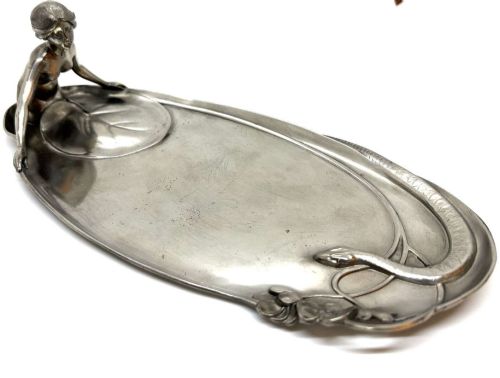
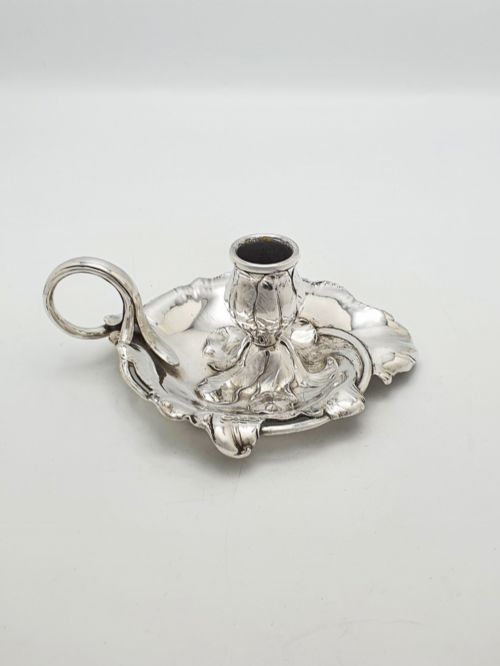
A silver art nouveau tray embodies the fluid, plant-inspired forms characteristic of the period around nineteen hundred. These domestic items serve various daily functions, appearing primarily as card trays, dressing table trays, and serving platters.
Makers across England, Germany, and France adopt this style for everyday metalware. The pieces meet the eye in formats ranging from small pin dishes to large butler trays.
Materials and construction
Makers utilise sterling silver, silver plate, pewter, and Britannia metal to shape these objects. Techniques involve casting figurative elements, hammering surfaces, and combining metalwork with cut glass liners.
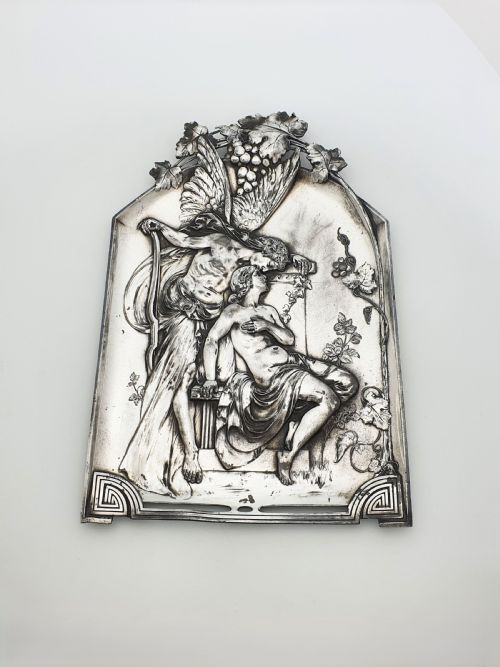
Workshops employ silvering and plating processes over base metals like pewter to achieve a reflective finish. Details often integrate plant motifs, vines, and figures directly into the metal structure.
Listings feature periods spanning from eighteen ninety through to nineteen thirty, encompassing Victorian, Edwardian, and later modernist phases.
Assessing quality and execution
Quality rests upon the crispness of the cast figures and the depth of the floral relief work. Superior examples display sharply defined maiden faces, cascading hair, and botanical tendrils without softness in the corners.
The weight of the metal and the integration of handles or borders distinguish standard output from finer studio work. Preservation of the original plating or silver surface dictates the overall integrity of the piece.
WMF·Liberty and Co·Orivit·Zimmermann·Thomas Bishton
The Silver Art Nouveau Tray Glossary
- Jugendstil
- The continental European manifestation of the art nouveau movement, prominent in German design and metalwork.
- Britannia metal
- A tin-based alloy utilised as a base for silver plating in many decorative trays and vessels.
- Planished
- A surface texture achieved by hammering metal with a rounded tool to create small, controlled facets.
- Tudric
- The trade name used by Liberty and Co. for their range of pewter domestic wares.
- Card tray
- A small small-format dish intended for holding calling cards in a hall or reception space.
Silver Art Nouveau Tray: Frequently Asked Questions
What metals are these trays made from?
Makers cast and shape these objects using sterling silver, silver plate, pewter, and Britannia metal. Base metals often receive a silver coating to mimic solid silver wares.
Some designs incorporate additional elements such as cut glass inserts or bronze details to add contrast and weight to the finished item.
How do I date a silver art nouveau tray?
English pieces frequently bear silver hallmarks that indicate specific assay office years and town marks. Continental items rely on maker stamps and registration numbers.
Stylistic shifts also provide clues, as tighter geometric influences begin to merge with organic lines toward the nineteen twenties.
Where were these trays manufactured?
Production centres span across England, Germany, and France during the late nineteenth and early twentieth centuries. Major firms and independent metalworkers exported these domestic objects widely.
German factories like WMF and English shops such as Liberty and Co produced large quantities for domestic and international markets.
How should I clean my tray?
Sterling silver requires a gentle polish formulated specifically for precious metals to avoid removing thin plating layers. Soft cloths prevent scratching on softer alloys like pewter.
Water and mild soap suffice for glass liners, ensuring all metal components remain dry after maintenance to prevent tarnishing.