




Silver Art Deco Lighting
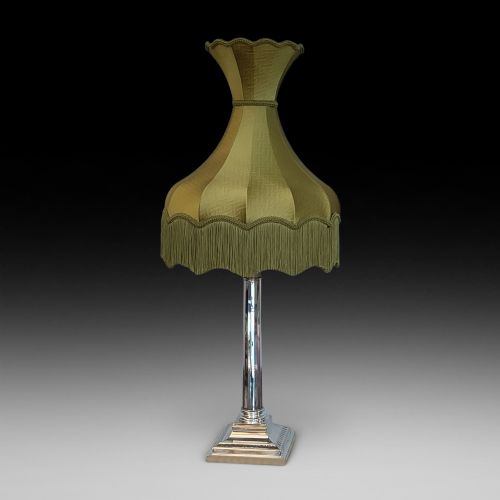
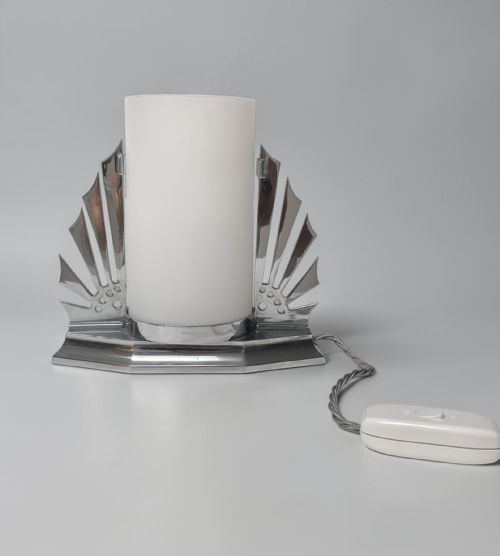
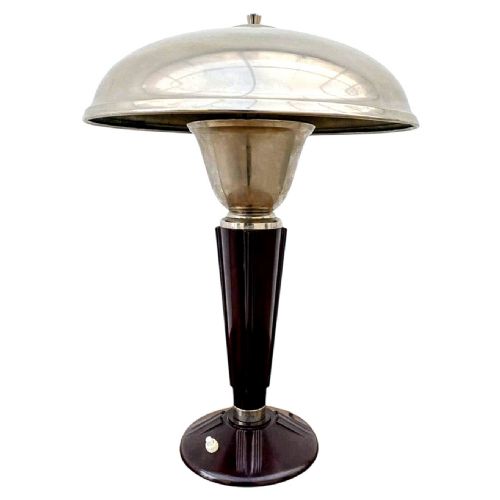
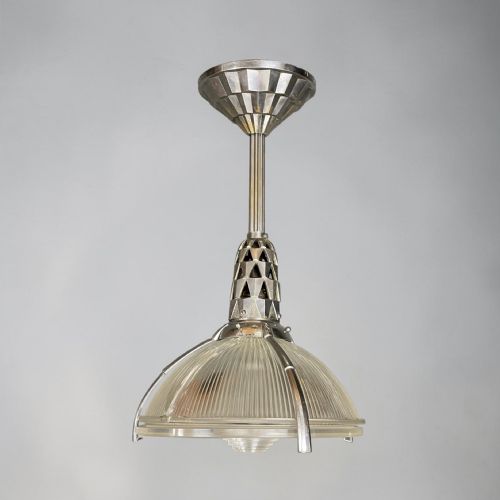
Silver art deco lighting brings geometric precision and gleaming metallic surfaces into a room, offering functional illumination rooted in modernist style.
Silver Art Deco Lighting
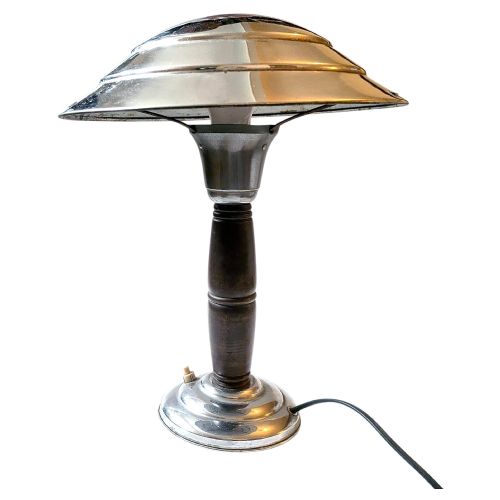
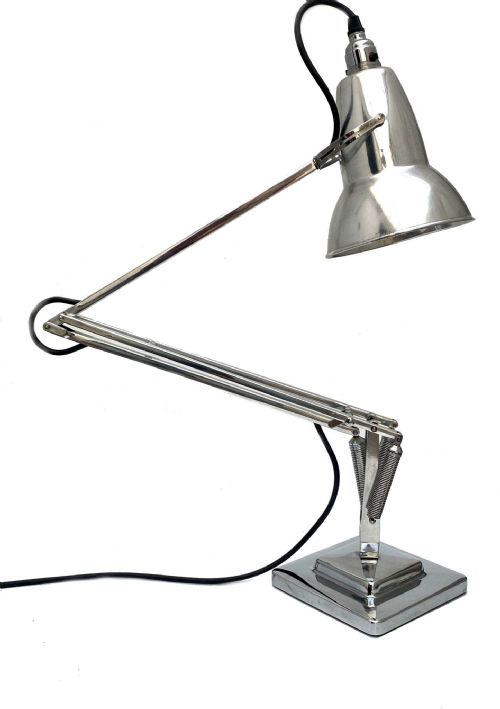
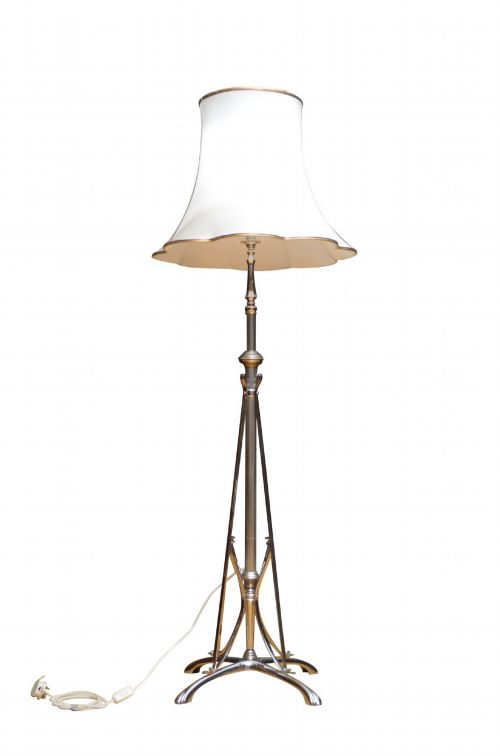
When you examine silver art deco lighting, you encounter utilitarian and decorative pieces designed during the early to mid-twentieth century. The selection spans utilitarian desk lamps, adjustable floor standards, and grand chandeliers intended to dominate a space.
Most items you meet here date from the interwar decades, drawing on machine age aesthetics and geometric forms. Table lamps, wall sconces, and pendant lights form the core of what is available.
Makers utilised silver plate, nickel, and polished chrome alongside glass, brass, and bakelite to create fixtures that reflected the optimism of the period. Forms range from simple Corinthian columns to figural lamps depicting athletes and Hollywood figures.
How they were made
Manufacturers shaped metals like brass, steel, and chrome into streamlined frames, often applying silver plating to achieve a reflective, uniform surface. Many desk and floor models incorporated adjustable joints and weighted bases for practical positioning.
Lighting shades relied heavily on moulded, frosted, or cut glass, sometimes paired with mirrored glass or parchment leather. Workshops such as Muller Bros produced specialised shades that screwed or clamped directly into the metal body.
Illuminate your desk with an athlete holding a ball or a Hollywood girl caught mid-pose.
What varies in quality
The distinction between ordinary and superior pieces rests on the weight of the metal and the crispness of the casting. Heavy, solid construction in chrome, silver plate, or brass denotes a higher grade of production than thin, pressed sheet metal.
Original components dictate desirability. Fixtures retaining signed glass shades, specialised makers' switches, and intact silver plating command greater attention from collectors than modified or heavily restored examples.
Eileen Grey·Émile-Jacques Ruhlmann·Herbert Terry·Muller Bros·Pirouette·Hukin & Heath·Robert Edgar Stone
The Silver Art Deco Lighting Glossary
- Chrome
- An electroplated coating applied to base metals to provide a hard, bright, corrosion-resistant finish. It defined the shiny aesthetic of machine age design.
- Bakelite
- An early form of synthetic plastic used for switches, bases, and decorative accents. Its durability and dark lustre suited modernist electrical hardware.
- Torchiere
- A tall floor lamp designed to direct light upwards toward the ceiling. These fixtures often feature stepped bases and metal shafts typical of the interwar period.
- Sconce
- A wall-mounted lighting fixture designed to hold one or more bulbs. In this era, they frequently utilised trumpet-shaped glass shades mounted on chrome brackets.
- Spelter
- An alloy of zinc used as a cheaper alternative to bronze for figural lamp bases. It was commonly painted or plated to resemble silver or nickel.
Silver Art Deco Lighting: Frequently Asked Questions
How do I identify genuine art deco lighting?
Look for characteristic geometric motifs, stepped forms, and materials such as chrome, frosted glass, and bakelite. Pieces often bear signatures on the glass shades or manufacturing marks on the metal bases.
Examine the construction methods and wiring compartments. Original fixtures usually feature period-appropriate switches and heavy cast metals rather than lightweight modern alloys.
Can these vintage lamps be used safely today?
Many surviving fixtures have been rewired to meet modern electrical standards while retaining their original sockets and switches. A qualified electrician should inspect any vintage lamp before regular use.
Check that the internal cord is modern and that the metal body is properly earthed where required. Preserving the outer appearance does not preclude updating the hidden internal components.
What is the difference between a torchiere and an uplighter?
A torchiere is specifically a tall floor-standing lamp that casts light upwards, often serving as the primary illumination for a corner of a room. They frequently feature prominent stepped shafts.
An uplighter is a broader descriptive term that can apply to floor lamps or wall-mounted brackets directing light toward the ceiling. Both utilise the upward beam to create ambient illumination.
How should I clean silver plated lighting fixtures?
Dust metal surfaces gently with a soft, dry cloth to prevent scratching the silver plating or chrome finish. Avoid abrasive metal polishes that can wear away thin vintage plating over time.
Glass shades can be removed and washed in warm soapy water if handled with care. Ensure all parts are completely dry before reassembling and reconnecting the fixture to power.