



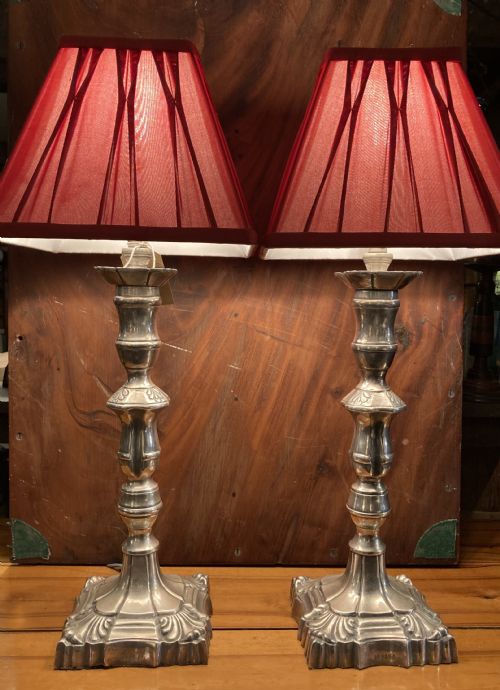

Silver Accent Table Lamp
A silver accent table lamp brings focused illumination and metallic sheen to a room, catching the eye with polished surfaces.
Silver Accent Table Lamp
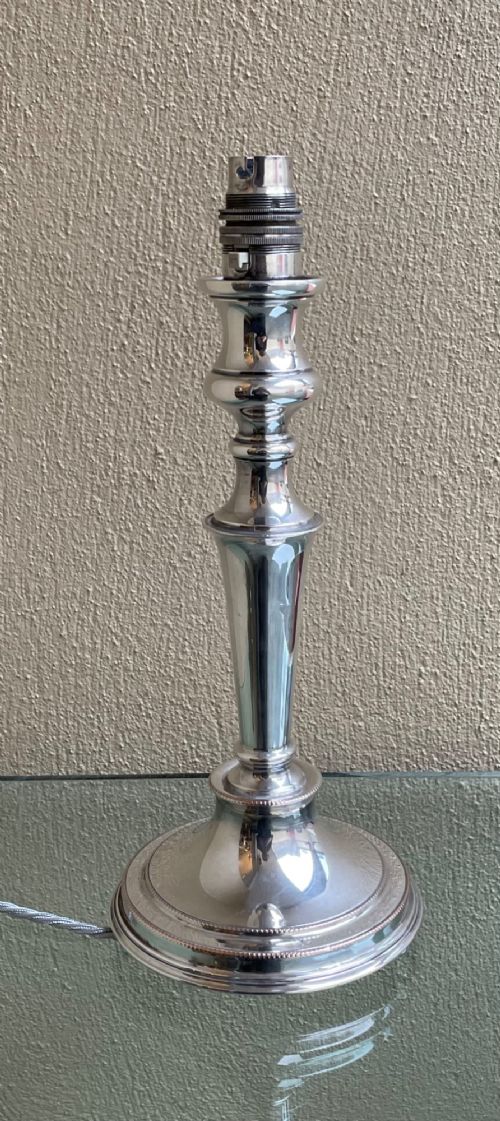
When you search for a silver accent table lamp, you encounter lighting fixtures that incorporate silver plate, chrome, or nickel alongside various forms such as classical columns and figural designs. The pieces listed span from the Edwardian era through the Art Deco period, showcasing both traditional metalwork and modernist machine age aesthetics.
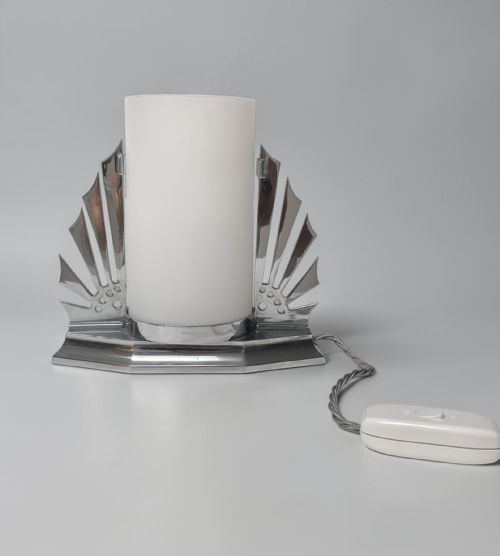
Art Deco examples dominate the selection, featuring geometric forms like the zig zag lightening flash and nautical motifs such as sail yachts. Alongside these sit period reproductions and earlier silver plated columns, offering distinct silhouettes for domestic interiors.
How they were made
Construction relies heavily on metals like chrome, brass, and silver plate formed into structural bases, often paired with glass elements such as frosted shades or mirrored tops. Makers utilised casting and plating techniques to achieve durable metallic finishes that retained a bright sheen.
Alabaster and wood occasionally integrate into the lamp bodies, particularly in figural and sculptural pieces from the early twentieth century. These mixed media constructions combine heavy metal mounts with carved stone or detailed figural castings.
Some Art Deco lamps double as illuminated sail yachts or lightning flashes because engineers in the 1920s believed electricity should look fast.
What varies in quality
Quality separates standard production lighting from exceptional sculptural pieces through the crispness of the casting and the integrity of the silver plating or chrome finish. Superior examples display intricate detailing on figural mounts and well preserved metal surfaces without excessive wear.
The complexity of the design also distinguishes the range, moving from simple classical columns to iconic figural double lady lamps or specialised glass shade combinations. Maker attribution and substantial weight further elevate the standing of an individual piece.
Palmer & Co·Muller Bros
The Silver Accent Table Lamp Glossary
- Silver plate
- A thin layer of silver applied to a base metal core such as brass or copper. This technique allowed manufacturers to produce lustrous tableware and lighting at a lower cost than solid silver.
- Art Deco
- A design style spanning the 1920s and 1930s characterised by streamlined geometric shapes, industrial materials, and motifs inspired by the machine age. It remains a defining aesthetic for twentieth century decorative metalwork.
- Corinthian column
- A classical architectural order featuring an ornate capital decorated with acanthus leaves. Lamps styled in this manner adapt ancient stone temple columns into domestic metal lighting fixtures.
- Alabaster
- A fine grained, translucent stone used for carving decorative objects and lamp shades. When illuminated, it produces a soft, diffused glow across a room.
Silver Accent Table Lamp: Frequently Asked Questions
What is a silver accent table lamp?
A silver accent table lamp is a domestic lighting fixture finished in silver plate, chrome, or nickel designed to provide localized illumination and decorative contrast.
These lamps range from classical columns to modernist Art Deco sculptures, utilising metallic surfaces to reflect light within an interior space.
How do I date an Art Deco lamp?
Dating an Art Deco lamp involves examining the specific styling cues, such as geometric motifs, stepped bases, and materials like chrome and alabaster.
Most pieces from this movement date from the 1920s and 1930s, reflecting the industrial techniques and aesthetic preferences of the interwar period.
Where were these lamps placed?
These lamps typically sat on side tables, occasional tables, or desks to provide task lighting or soft ambient illumination in sitting rooms and hallways.
Their decorative bases ensured they served as visual ornaments even when unlit during daylight hours.
How do I care for plated metal?
Caring for silver plated and chrome surfaces requires gentle dusting with a soft cloth and avoiding harsh abrasive cleaners that could strip the metallic layer.
Maintaining a stable indoor humidity helps prevent tarnishing and preserves the reflective quality of the finish over time.