





Traditional Silver Bedside Lamp
These traditional silver bedside lamp examples bring genuine period character to a bedroom, offering steady illumination and classic proportion.
Traditional Silver Bedside Lamp
A traditional silver bedside lamp brings a distinct historical presence to a room, drawing on forms produced across the Victorian, Edwardian, and early twentieth-century periods. When searching for a traditional silver bedside lamp, buyers generally encounter table lamps adapted for domestic spaces from earlier lighting formats.
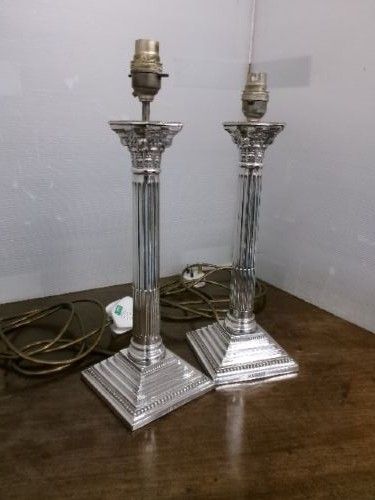
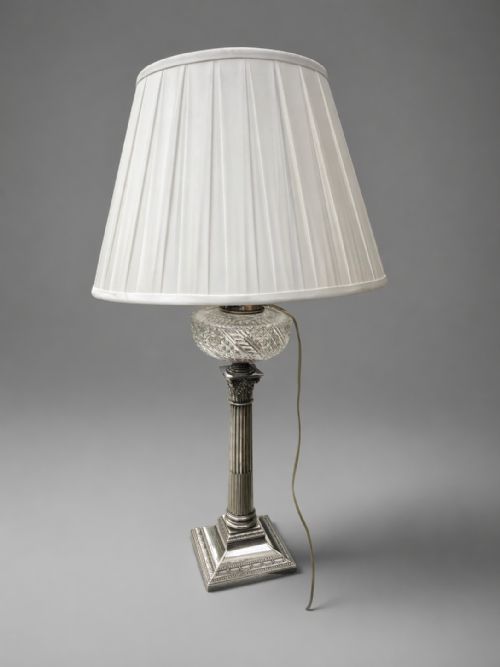
The selections available here rely heavily on silver plate and electroplated metal finishes, frequently shaped into architectural forms like the Corinthian column. These pieces span from the late nineteenth century through to the 1920s, demonstrating standard domestic lighting of those decades.
How they were made
Manufacturers utilised metals such as brass and general metal alloys as a base substrate, applying silver plate or electroplating to achieve a polished reflective surface. Certain examples incorporate cut glass elements to refract light from the bulb.
Makers constructed structural columns with fluted shafts and detailed capitals, soldering components together securely before finishing the exterior surface with silver.
Traditional Silver Bedside Lamp Retail Price Guide 2026
Typical asking prices for traditional silver bedside lamp among the pieces listed under this phrase on Sellingantiques today, from the lower quarter to the upper quarter. They describe what is for sale here now, not the wider market.
Listings feature silver plate, brass, and cut glass materials across Victorian and 1920s table lamps.
What varies in quality
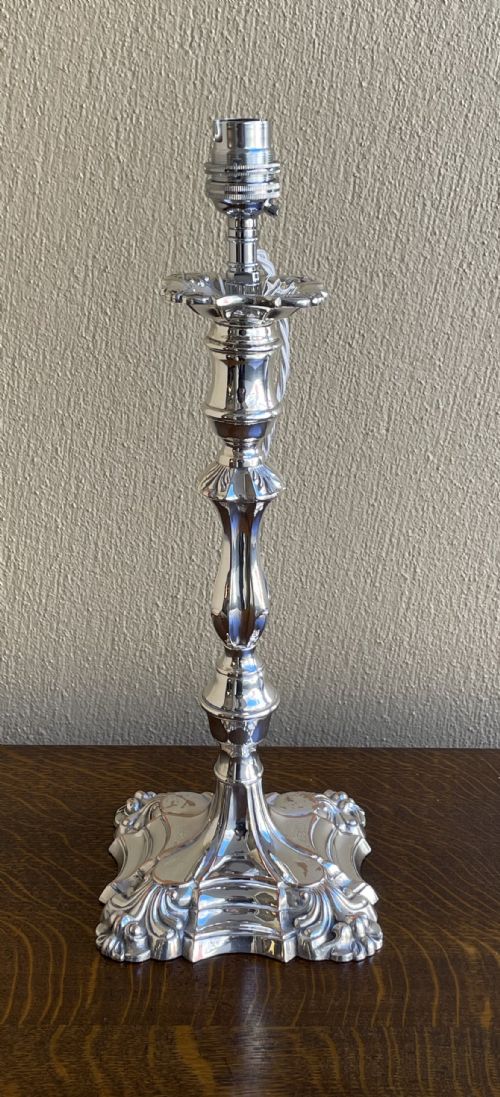
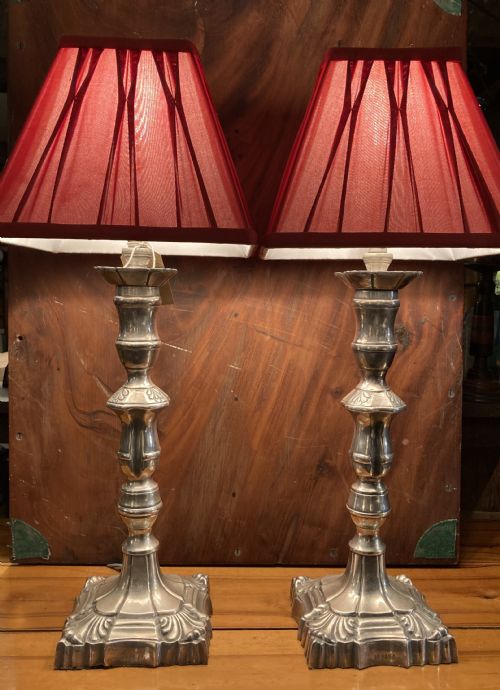
The crispness of the casting detail on column capitals and bases defines the upper tier of production, separating refined workmanship from simpler, mass-produced alternatives. Thicker plating layers resist wear and polishing better over decades of use.
Proportion and scale also dictate worth, where taller, heavier columns display superior balance and presence compared to lighter, reduced versions.
Palmer & Co
The Traditional Silver Bedside Lamp Glossary
- Corinthian Column
- An architectural order featuring an ornate capital decorated with acanthus leaves. This form frequently inspired the bodies of twentieth-century table lamps.
- Electroplated Metal
- A base metal coated with a thin layer of silver through an electrolytic process. This technique became widespread during the Victorian and Edwardian eras.
- Silver Plate
- A term for objects where a layer of silver is bonded to a base metal foundation. It provided an accessible alternative to solid silver for domestic lighting.
- Cut Glass
- Glass shaped and patterned by abrasive wheel cutting to create sparkling facets. It appears alongside metal components in period lighting designs.
Traditional Silver Bedside Lamp: Frequently Asked Questions
What periods do these lamps come from?
The pieces span the late nineteenth century, the Victorian era, the Edwardian period, and the 1920s. These dates reflect the prevailing manufacturing styles recorded in the current inventory.
Most items date from the early twentieth century, showing typical domestic lighting design trends of that time.
Are these lamps made of solid silver?
The listings consist primarily of silver plate, electroplated metal, and standard metal bases rather than solid silver. Manufacturers used these plated techniques to achieve the appearance of precious metal at a lower cost.
Examining the metal underneath reveals the base material where the silver coating has thinned through polishing.
What column designs are common?
Corinthian column designs appear frequently across the inventory, referencing classical architecture. These vertical shafts feature distinct capitals and stepped square bases.
Round based configurations also occur, offering a simpler silhouette without architectural capitals.
How do I identify an Edwardian piece?
Edwardian items date from the early 1900s up to about 1910, reflecting the tastes of that specific reign. They often share characteristics with late Victorian designs but tend toward lighter proportions.
Maker stamps and stylistic cues help narrow down the production decade when no explicit date is marked.