

Silk Embroidered Wall Hanging
These antique silk embroidered wall hanging examples bring Central Asian and Ottoman heritage into your home with rich textiles.
Silk Embroidered Wall Hanging
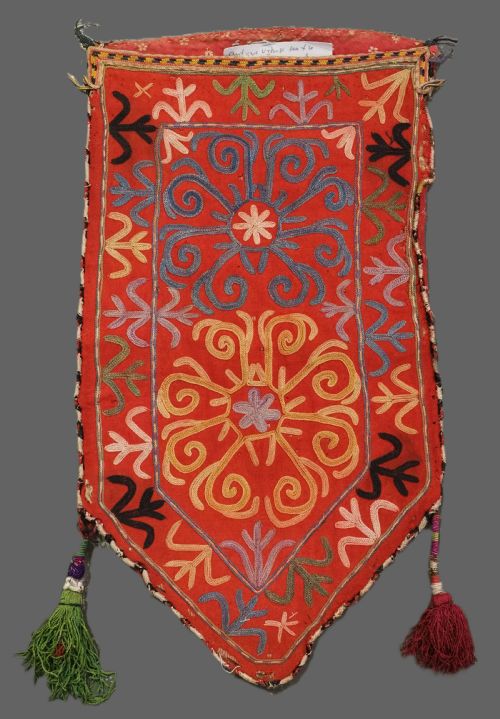
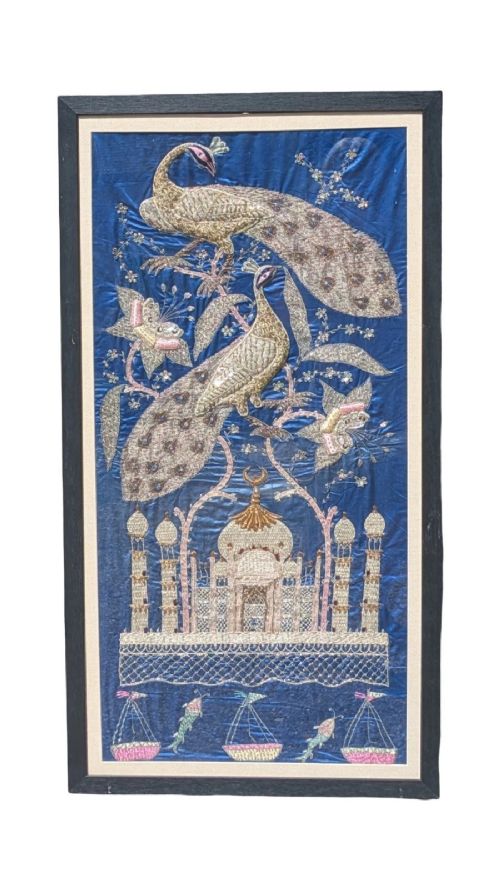
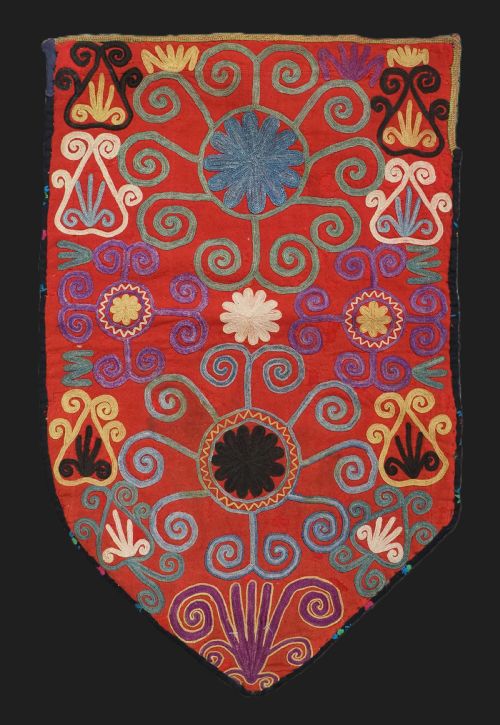
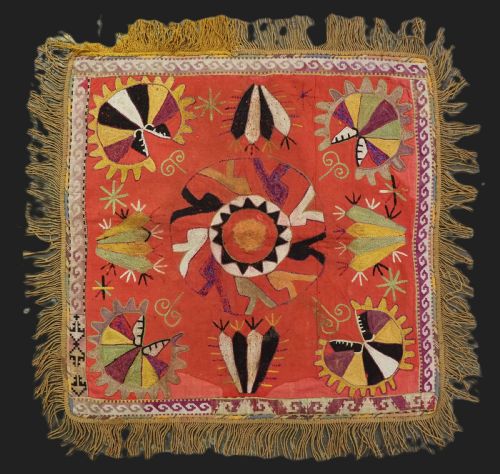
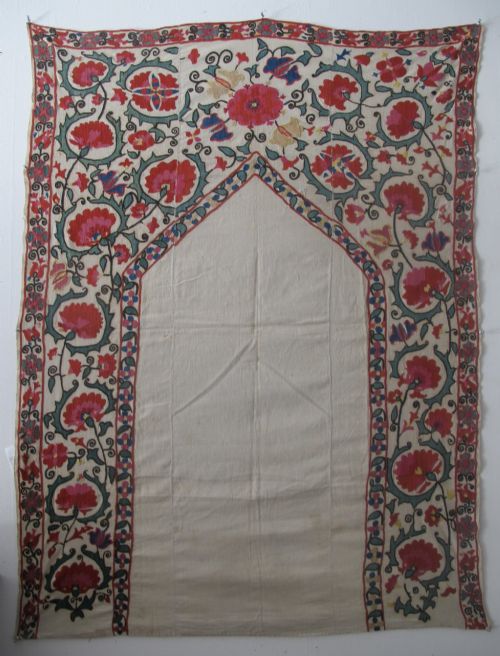
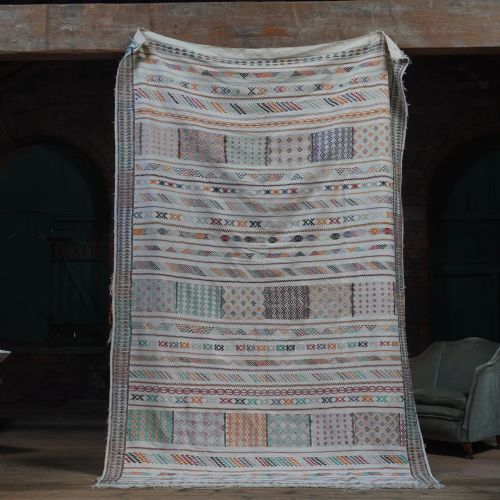
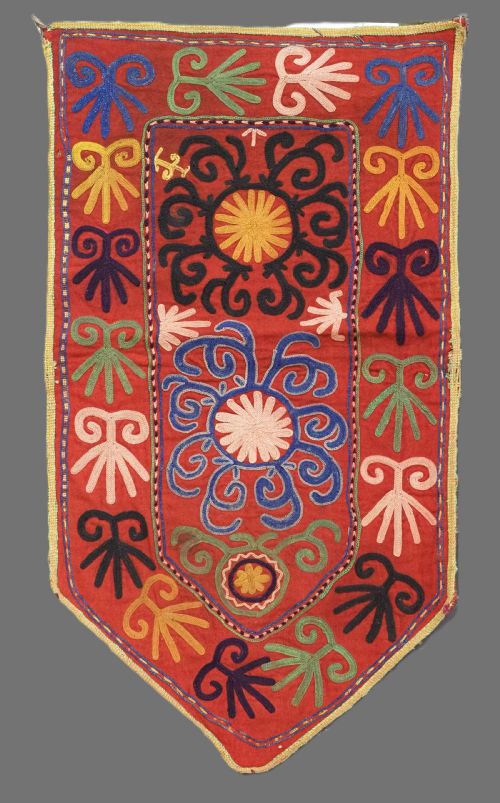
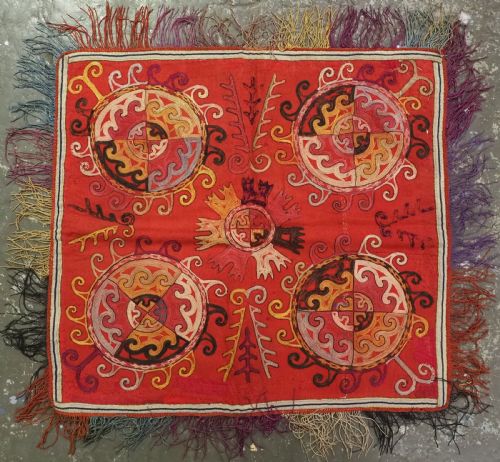
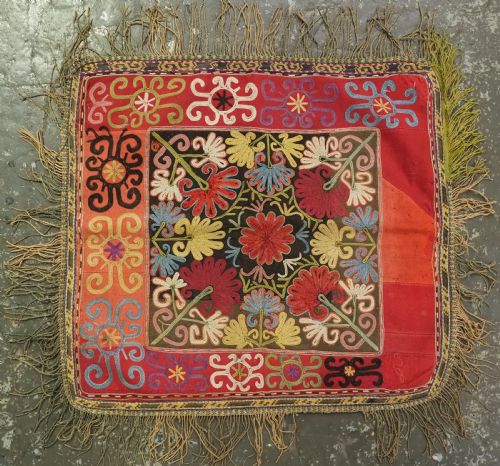
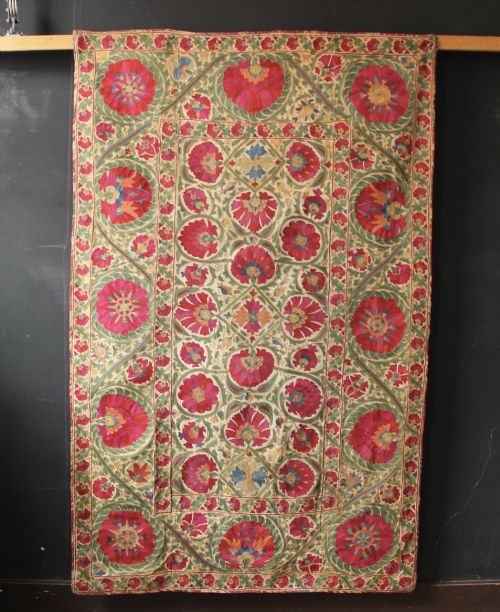
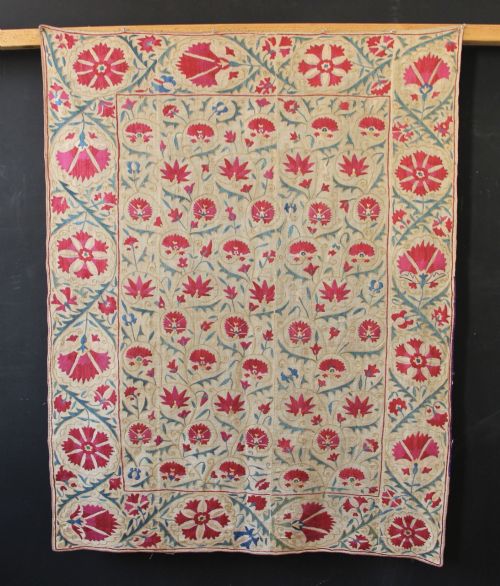
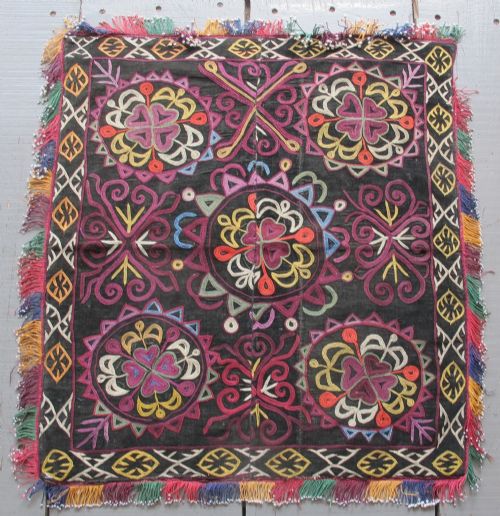
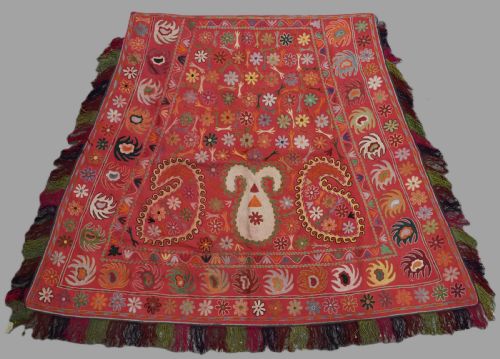
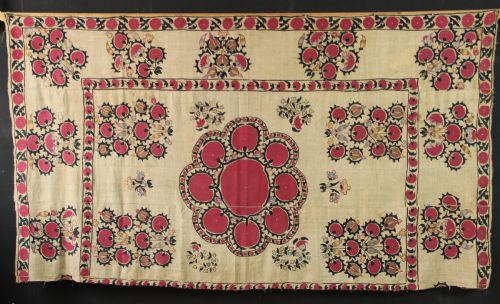
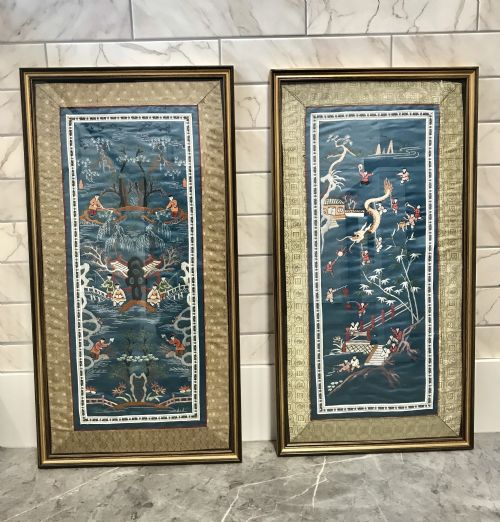
When you search for silk embroidered wall hanging pieces, you encounter rich textiles originating from Central Asian and Ottoman traditions. These works include Suzanis, dowry embroideries, horse and saddle covers, and bed decorations.
You are most likely to meet Uzbek and Lakai tribal pieces created around nineteen hundred and nineteen twenty. The evidence shows formats ranging from mid nineteenth century Bokhara Nim Suzanis to eighteenth century Ottoman embroidery.
The forms span practical tribal items repurposed for display as textile wall art and dedicated wall hangings. Each piece carries traditional motifs worked by hand in regions with deep needlework lineages.
How they were made
Maker hands stitched fine silk thread onto mixed foundations including red adras silk and cotton grounds, linen, velvet, and wool. Wool fringe often finishes the edges of these substantial textile works.
The construction combines woven base cloths with dense needlework embroidery executed in traditional regional styles. Artisans balanced structural ground fabrics with intricate surface stitching.
Silk Embroidered Wall Hanging Retail Price Guide 2026
Typical asking prices for silk embroidered wall hanging among the pieces listed under this phrase on Sellingantiques today, from the lower quarter to the upper quarter. They describe what is for sale here now, not the wider market.
Nomadic makers stitched protection and good fortune directly into horse covers, ensuring that even a steed rode out in high style.
What varies in quality
Quality rests in the fineness of the needlework and the complexity of the traditional tribal design composition. Early nineteenth century examples and eighteenth century Ottoman pieces demonstrate superior technical mastery.
The integrity of the ground fabric, whether adras silk and cotton, linen, or velvet, alongside the preservation of the silk thread embroidery, determines the standing of each piece.
The Silk Embroidered Wall Hanging Glossary
- Suzani
- A type of embroidered tribal textile originating from Central Asian regions such as Uzbekistan. These decorative pieces often feature large floral and geometric motifs worked in silk thread.
- Adras
- A traditional woven fabric made from a mixture of silk and cotton yarns. It serves as a sturdy and lustrous ground for embroidery.
- Lakai
- A nomadic Central Asian tribe known for distinct geometric embroidery styles. Their dynamic needlework often appears on dowry pieces and ceremonial covers.
- Nim Suzani
- A smaller version of the traditional Suzani textile. These scaled pieces offer versatility in display while maintaining complex needlework patterns.
- Saye Gosha
- A specific form of bed decoration created by Central Asian makers. These embroidered textiles were designed to adorn domestic spaces.
Silk Embroidered Wall Hanging: Frequently Asked Questions
How were these wall hangings used originally?
Many of these textiles started life as dowry items, ceremonial horse covers, or domestic bed decorations rather than simple pictures. Tribespeople created them to mark significant life events and beautify their living spaces.
Over time, collectors and decorators adapted these utilitarian and ceremonial objects to hang on walls as textile art. This transition preserves the intricate needlework for contemporary display.
How do I care for an antique textile?
Protect antique silk and cotton embroidery from direct sunlight to prevent the natural dyes from fading. Keep the pieces away from excessive moisture and heat sources.
Mount the textile professionally using a supportive backing method that distributes weight evenly across the fabric. Avoid hanging heavy pieces by small loops or pins.
How do I tell different periods apart?
Earlier pieces from the mid eighteenth century often display distinct Ottoman design characteristics and refined linen or silk foundations. Nineteenth century works frequently showcase Bokhara Nim Suzani patterns with dense silk thread embroidery.
Later pieces from around nineteen hundred to nineteen twenty often reflect Central Asian tribal or Lakai characteristics. Examining the ground material and stitching density helps place the work within its era.
What is an adras ground?
An adras ground is a woven foundation fabric made from a combination of silk and cotton threads. This hybrid textile provides both the soft sheen of silk and the durability of cotton.
Embroiderers worked their silk thread designs directly onto this sturdy base to create vibrant wall hangings. The striped or plain weave of the adras often peeks through the dense needlework.