
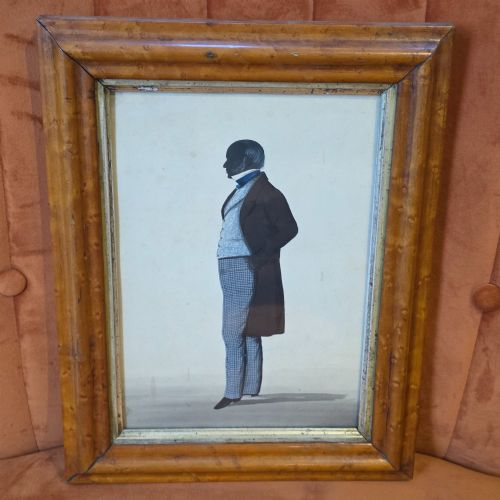
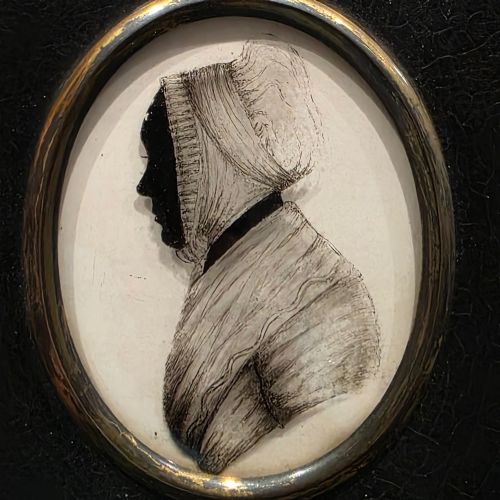

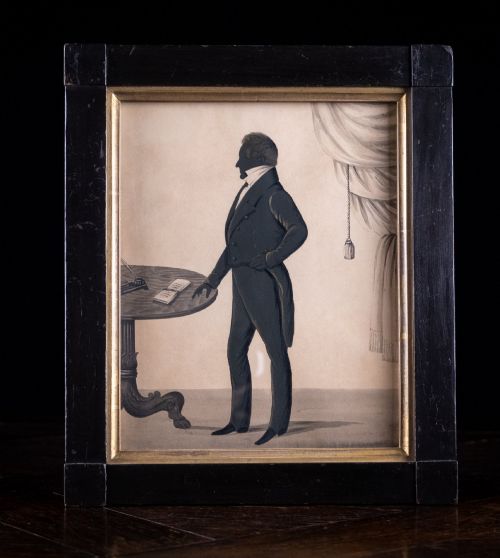
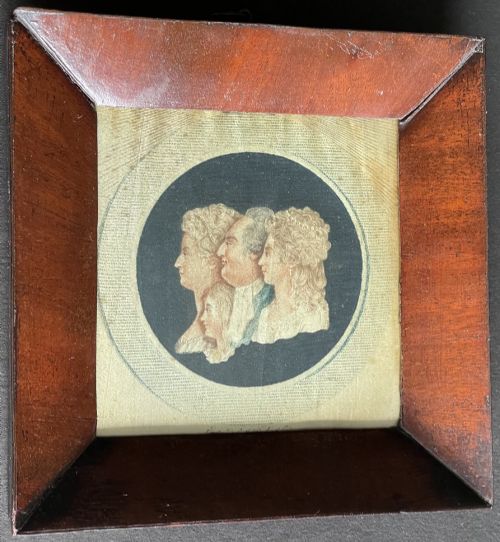
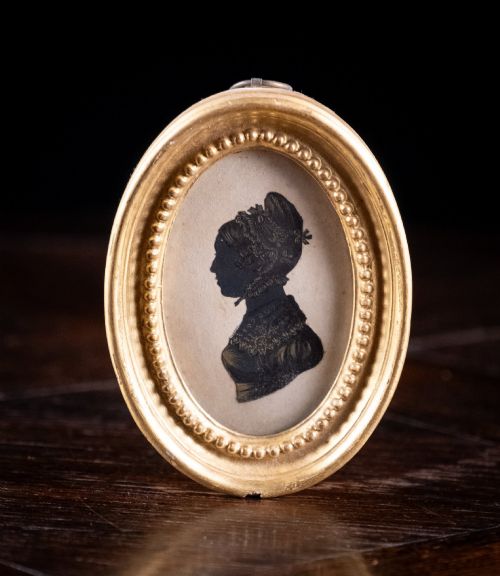
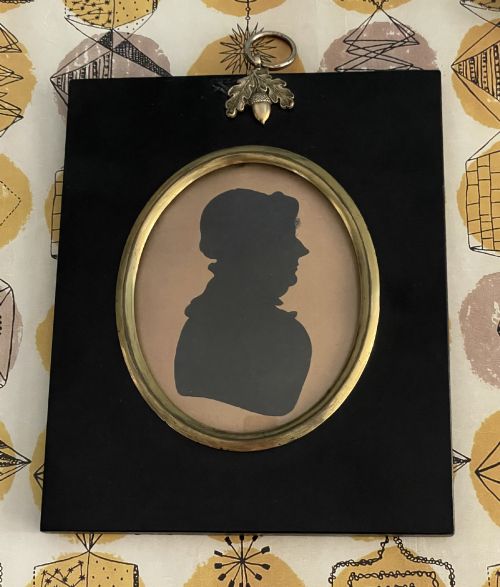
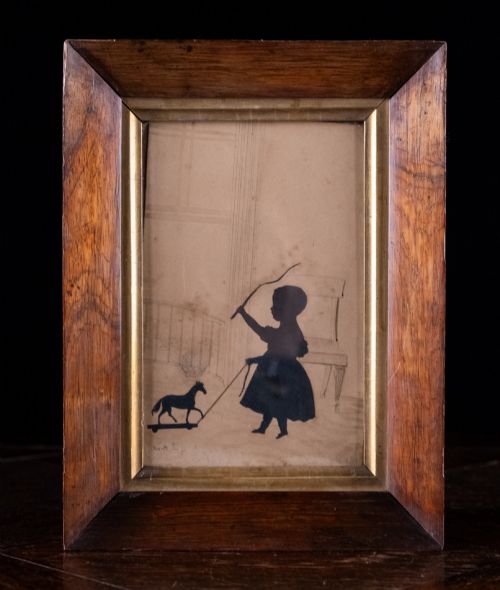
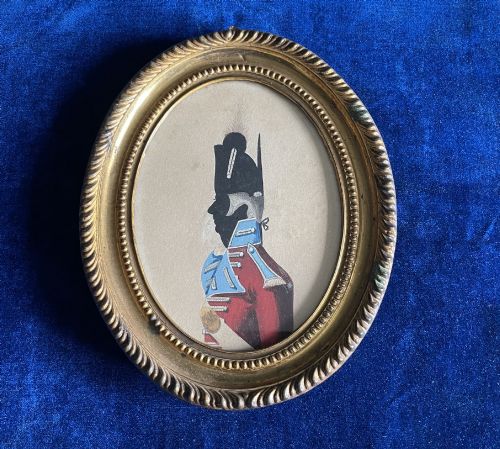
Silhouette Portrait in Frame
A silhouette portrait in frame captures a crisp profile likeness that brings immediate character to a wall.
Silhouette Portrait in Frame
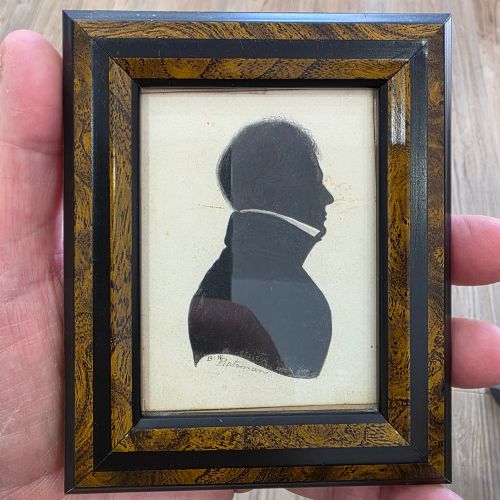
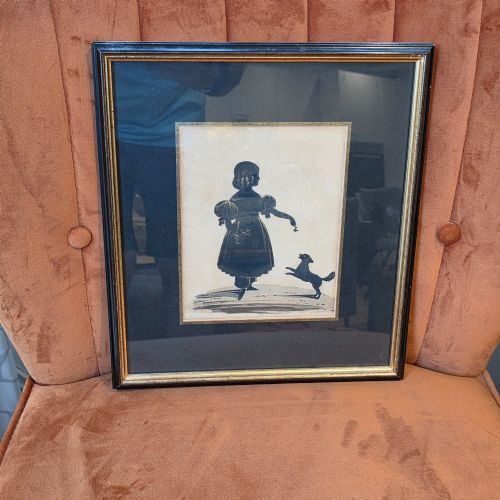
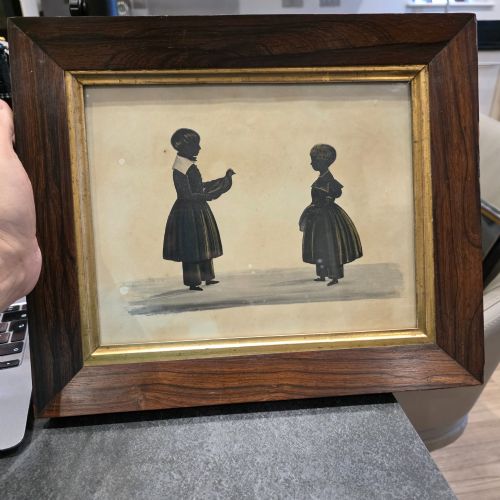
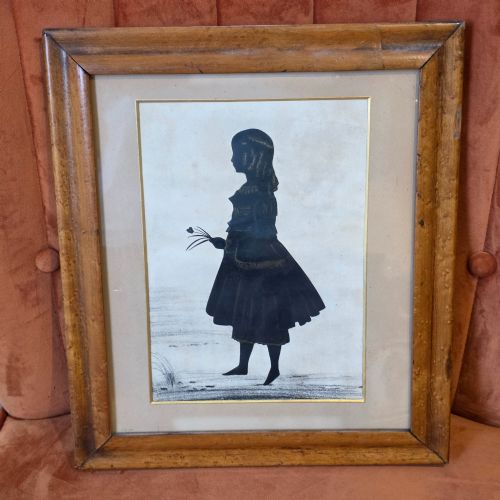
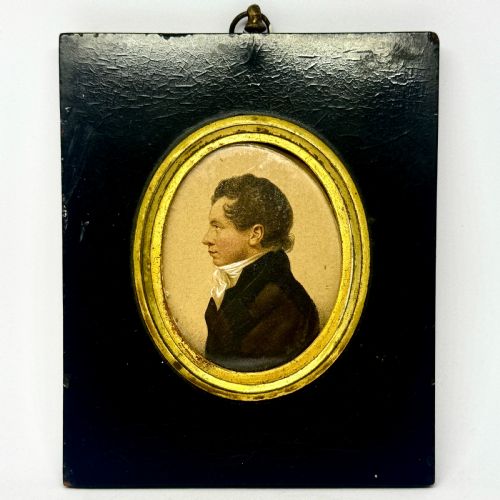
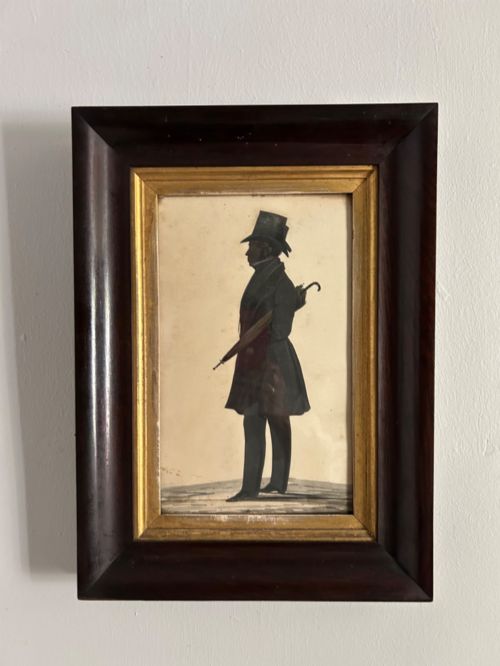
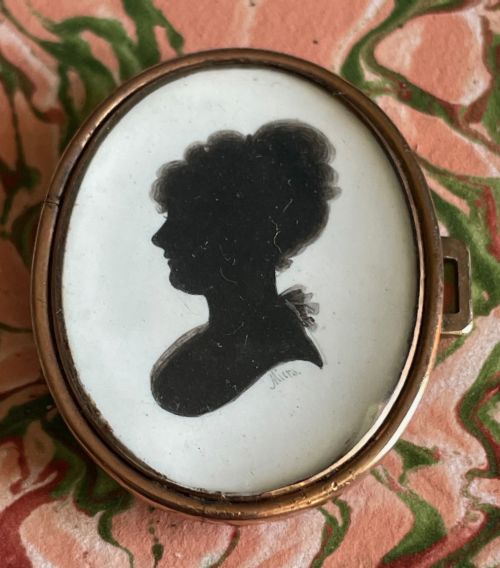
A silhouette portrait in frame presents a profile likeness of a sitter, most frequently encountered from the Georgian, Regency, and Victorian periods.
These works appear as wall art, framed artwork, and portrait miniatures, capturing figures ranging from solitary gentlemen to children with animals.
The selections span eras from the late eighteenth century through the nineteenth century, including specific dates such as eighteen hundred and eighteen eighty.
Materials and construction
Profiles are produced through cut paper, reverse painting on glass, painting on plaster, and ink on paper, sometimes accented with gold leaf.
Frames utilise wood such as ebonised timber, rosewood, maple, pear wood, and burr walnut, protected by glass and fitted with brass elements.
Listings span the eighteenth century, nineteenth century, Regency, and Victorian periods, utilising glass, paper, wood, ink, brass, gold leaf, ebonised wood, and watercolour.
Quality and execution
The precision of the cutting or brushwork dictates the distinction of the profile, separating swift works from detailed likenesses.
Original framing materials, such as early ebonised wood and designated brass fittings, contribute to the integrity of the piece.
Bateman·William James Hubard·George Atkinson·James Gillespie·Augustin Edouart·John Miers·Frederick Frith·Thomas London·J. Deacon·Alfred Darbyshire·John Smith of Edinburgh
The Silhouette Portrait in Frame Glossary
- Reverse painting
- A technique where the artist paints directly on the underside of a glass panel so the image is viewed through the smooth upper surface.
- Ebonised wood
- Timber treated with a dark finish to imitate ebony, commonly utilised for nineteenth-century picture frames.
- Portrait miniature
- A small-scale painting or profile executed with fine detail, designed to be held or hung in a compact space.
- Gilded silhouette
- A profile enhanced with applied gold leaf to define costume details, jewellery, or hair.
Silhouette Portrait in Frame: Frequently Asked Questions
What periods do these silhouettes come from?
The pieces span the eighteenth, nineteenth, and Victorian eras, with many originating during the Georgian and Regency periods.
Dates range from the late seventeen-eighties through to eighteen-eighty.
What materials are used for the frames?
Frames are constructed from various woods including ebonised timber, rosewood, maple, pear wood, and burr walnut.
Many retain their original glass and brass components.
Are these profiles signed by artists?
Certain examples bear signatures or attributions to known profileists active during the Georgian and Regency years.
Others remain anonymous while displaying distinct regional or workshop styles.