



Signed Vintage Still Life
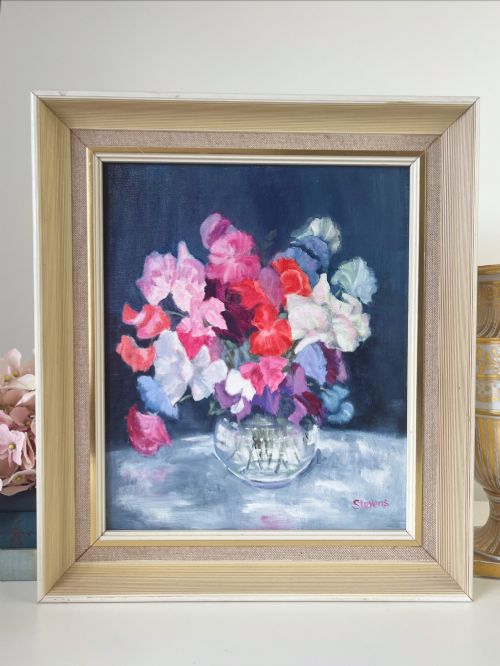
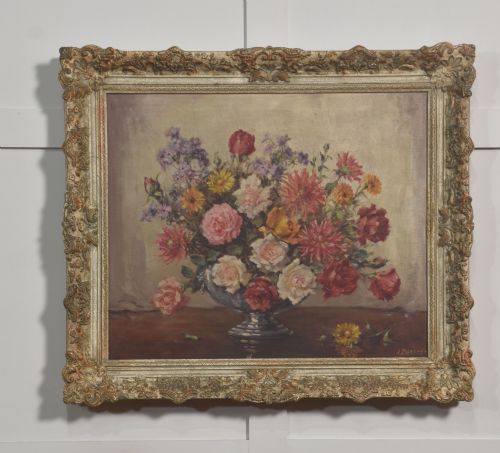
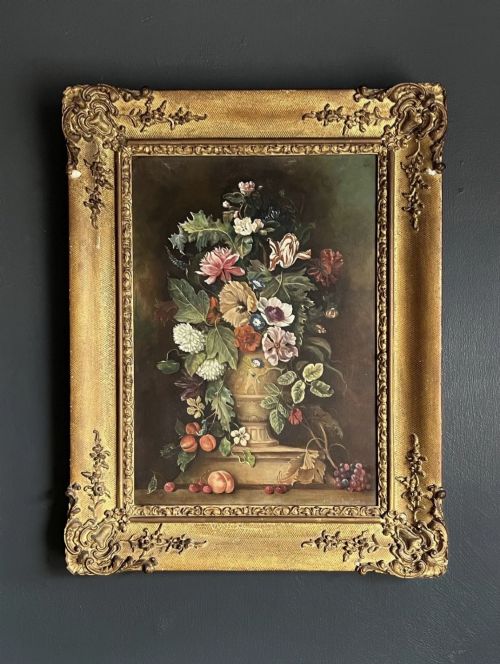
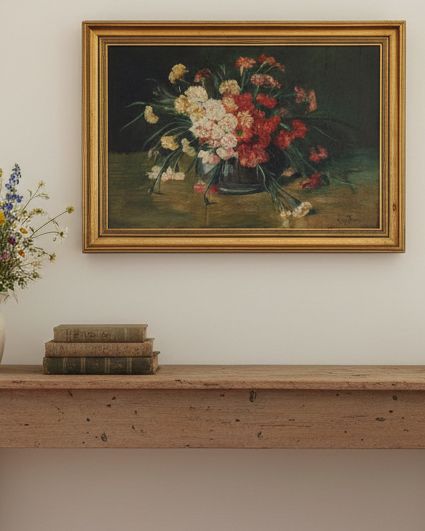
Signed vintage still life works capture botanical subjects and domestic arrangements through the observant hands of named artists across the late nineteenth and twentieth centuries.
Signed Vintage Still Life
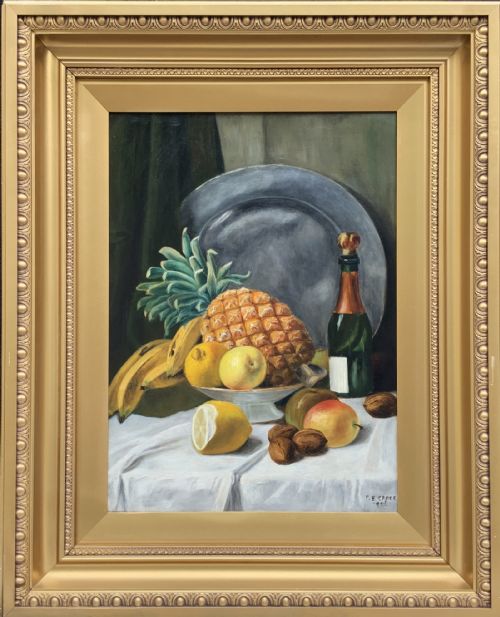
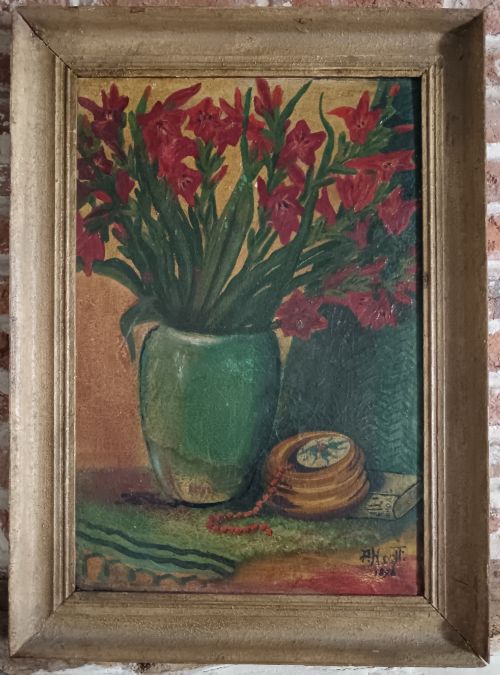
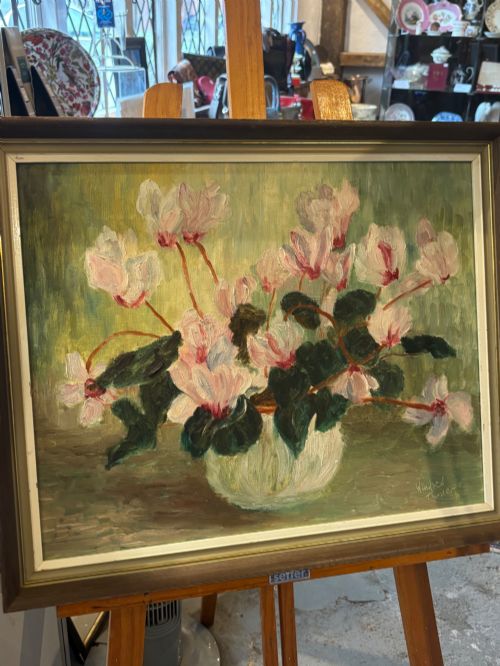
A signed vintage still life brings domestic observations, floral arrangements and tabletop compositions into a room through original canvases, boards and watercolours. Collectors searching for a signed vintage still life encounter works executed across diverse twentieth-century movements, from Edwardian realism to mid-century modern interpretations.
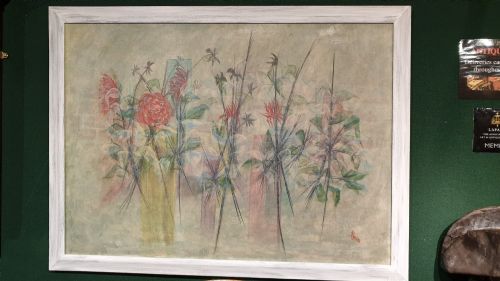
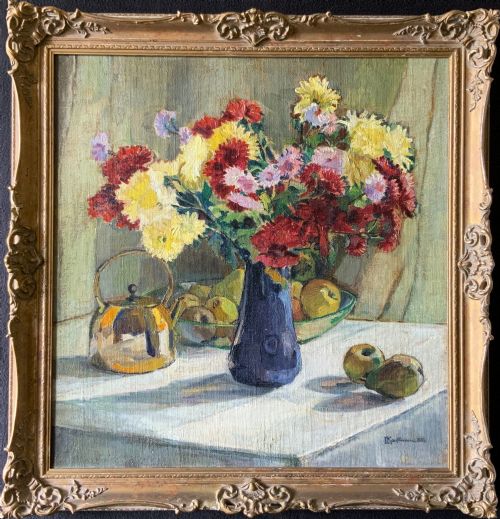
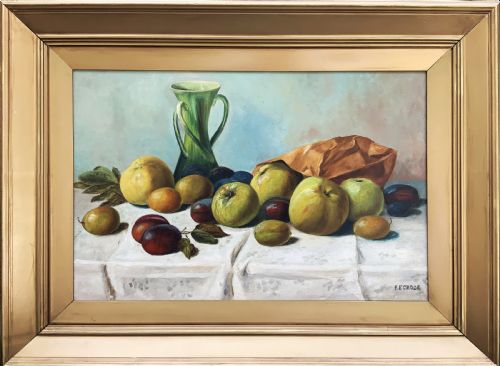
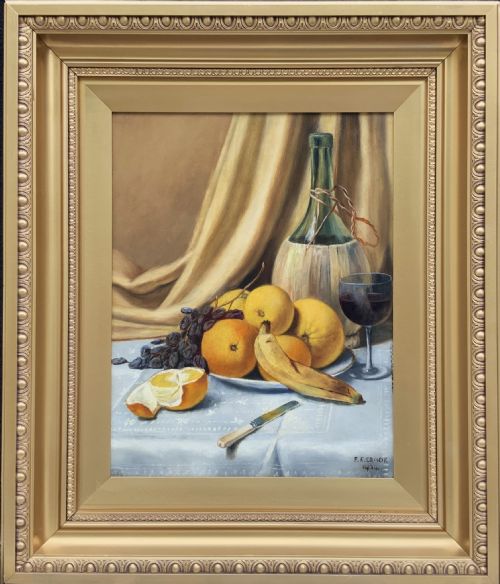
Most pieces on this page comprise oil and watercolour paintings on canvas, paper or board bearing the distinct signature of the artist. These creations frequently depict seasonal blooms in vases, gathered fruit, or everyday table objects framed in period wood and gilt surrounds.
The selection spans traditional British and European depictions alongside post-war compositions, offering windows into the domestic aesthetics of past decades. Each signed vintage still life preserves the individual brushwork and personal touch of its creator for modern interiors.
How they were made
Painters applied oil and watercolour pigments to prepared canvases, wooden boards, and heavy paper sheets using traditional brushes and palette knives. Works in oil built depth through successive layers of paint, whilst watercolours utilised fluid washes to capture translucent petals and glass vessels.
Finished surfaces were frequently housed within wooden frames finished with gold leaf, gilt gesso, or decorative mouldings. These enclosures protected the delicate media while enhancing the visual weight and presence of the composition.
Several kitchen vegetables found immortalised in oil paint include tureen-bound roots and humble table greens.
What varies in quality
The strength of a composition rests upon the confidence of the brushwork and the deliberate balance of light and shadow across the subject matter. Superior examples demonstrate a secure command of tone and perspective that elevates a simple arrangement of fruit or flowers into a compelling study.
Material preservation also defines the tier of a piece, with stable pigments, clean canvas surfaces, and original undisturbed frames commanding greater appreciation. The prominence of the signature and the documented standing of the creator further distinguish exceptional works from standard decorative studies.
Owen Bowen·Winifred Turner·Lester Sutcliffe·Sir Matthew Smith·Richard Budd·Maud Frances Eyston Sumner·H Ayrton·Richard Seabright·Emma Løffler·John Stanton Ward
The Signed Vintage Still Life Glossary
- Gilt
- Covered thinly with gold leaf or gold paint. This finish frequently adorns the wooden frames surrounding period oil paintings.
- Gesso
- A plaster-like material applied to wooden frames before gilding. It provides a smooth surface that allows for intricate moulded details.
- Post-Impressionism
- An art movement extending beyond impressionism. Artists explored emotional depth and structural form rather than purely recording optical effects.
- Board
- A rigid backing material used instead of canvas. Painters frequently applied oil or watercolour directly to these firm supports.
Signed Vintage Still Life: Frequently Asked Questions
How do I date a still life painting?
Dating relies on stylistic clues, framing materials, and the active periods of the signing artist. Twentieth-century works often bear signatures, dates, or exhibition labels on the reverse.
Examining the canvas weave and stretcher construction provides additional chronological context for unsigned or transitional pieces.
Where should I hang a framed oil painting?
Select interior walls protected from direct sunlight and excessive moisture to preserve the integrity of the canvas and paint layers. Maintaining stable room temperatures prevents the wood and gesso frames from cracking.
Positioning the artwork at average eye level ensures the composition can be comfortably observed within a room.
What subjects are typical for these paintings?
Common subjects include gathered garden flowers, bowls of fruit, pottery jugs, and tabletop assemblages arranged by the artist. These domestic motifs allowed painters to focus entirely on colour harmonies and light falling across physical surfaces.
Floral studies range from wild anemones and roses to formal Dutch-inspired compositions.