




Signed Oil on Panel
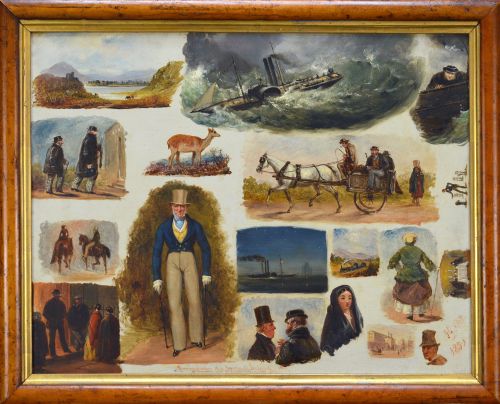
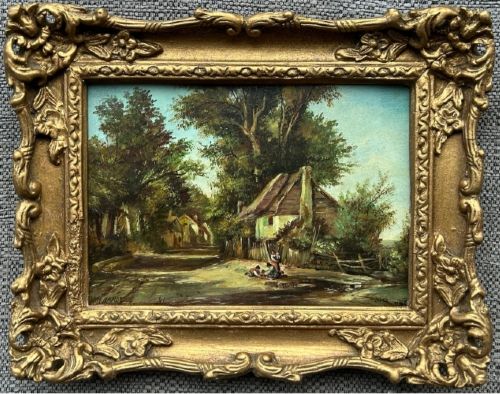
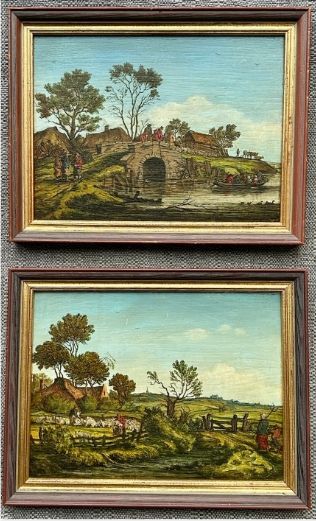
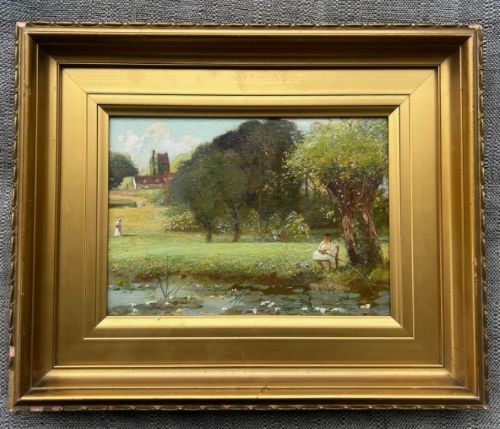
A signed oil on panel offers an intimate glimpse into historical artistry, bringing authentic brushwork and tactile wooden surfaces directly into your collection.
Signed Oil on Panel
When searching for a signed oil on panel, buyers encounter a diverse selection of fine art spanning the eighteenth century through to the mid-twentieth century. These works capture landscapes, portraits, and seascapes executed directly onto rigid supports rather than stretched fabric.
The pieces on this page heavily feature nineteenth-century and early twentieth-century British, Scottish, and European schools. Landscapes depicting rivers, mountains, and pastoral scenes dominate the selection, alongside occasional portraits and coastal views.
Makers and artists applied their signatures either clearly or indistinctly directly onto the pigment or within the surrounding frame. Collectors acquire these compact paintings for their direct connection to the artist's hand and the stable nature of the wooden support.
How They Were Made
Painters utilised oil paint applied directly onto prepared wood panels, pine, mahogany, or occasionally metal panels. The rigid wooden support provided a smooth, stable surface that allowed for fine brushwork and detailed application without the give of canvas.
Artists frequently housed these works within ornate gilt wood frames or burr walnut style frames that complemented the composition. The combination of slow-drying oil mediums on rigid panels ensured the survival of crisp details across centuries.
Signed Oil on Panel Retail Price Guide 2026
Typical asking prices for signed oil on panel among the pieces listed under this phrase on Sellingantiques today, from the lower quarter to the upper quarter. They describe what is for sale here now, not the wider market.
Listings feature works executed on wood panel, pine panel, and metal panel supports.
What Varies in Quality
Quality rests upon the confidence of the brushwork and the clarity of the artist's signature. Masterful handling of light and atmosphere in landscapes separates accomplished professional outputs from simpler student or amateur efforts.
The condition of the wood panel and the integrity of the paint layer determine the endurance of the piece. Well-preserved panels free from warping, combined with appropriate period framing, elevate the overall stature of the artwork.
Tom Campbell·W Klombeck·William Howard Hardy·Sir David Murray·Fernando Del Basso·W Williams·H Wallace·C E Howson·John Gilbey Bowles·Sam Bough·Arthur W Newsholme·William Burns·J Bell·Isabelle Cohen·John Smith Atherton·Lewis Creighton·William Maxwell Reekie·William E Tindall·Van Gullen·Paul Fordyce Maitland·William Manners·James Peel·Kershaw Schofield·B J Dawson·Fred Cecil Jones
The Signed Oil on Panel Glossary
- Panel
- A rigid flat piece of wood, mahogany, pine, or metal used as a support for painting instead of canvas.
- Oil paint
- A slow-drying paint made by combining pigment particles with a drying oil such as linseed.
- Gilt wood frame
- A wooden picture frame coated with a thin layer of gold leaf or gold paint to enhance the artwork.
- Landscape
- A painting depicting natural scenery such as mountains, valleys, trees, rivers, and forests.
- Pinxit
- A Latin term meaning he painted it, often found beside a historical signature.
Signed Oil on Panel: Frequently Asked Questions
What is an oil on panel painting?
An oil on panel painting is an artwork created using oil-based pigments applied directly onto a rigid wooden or metal support. This technique provides a firm foundation that prevents the sagging associated with stretched canvas.
Artists through the centuries favoured this method for its ability to hold minute details and fine brushwork.
How do I identify the wood used?
Identifying the wood requires examining the reverse of the panel where grain patterns and manufacturer stamps may remain visible. Common substrates include oak, mahogany, and pine.
Framed pieces often conceal the reverse, requiring professional removal from the frame to inspect the bare wood.
Are these paintings signed?
Many works feature handwritten signatures, monograms, or inscriptions placed by the artist within the lower corners of the composition. Some historical signatures appear indistinctly due to age and cleaning.
Signatures help attribute works to specific regional schools or named painters from the nineteenth and twentieth centuries.
How should I display a panel painting?
Display these works away from direct sunlight and sudden humidity fluctuations to protect both the wood substrate and the oil paint. Hanging them in stable indoor environments prevents the wood from warping or cracking.
Matching the painting with an appropriate period frame, such as a gilt wood design, enhances its visual presence.