



Signed Floral Art
Signed floral art brings together the brushwork of named painters and the enduring appeal of botanical subjects.
Signed Floral Art
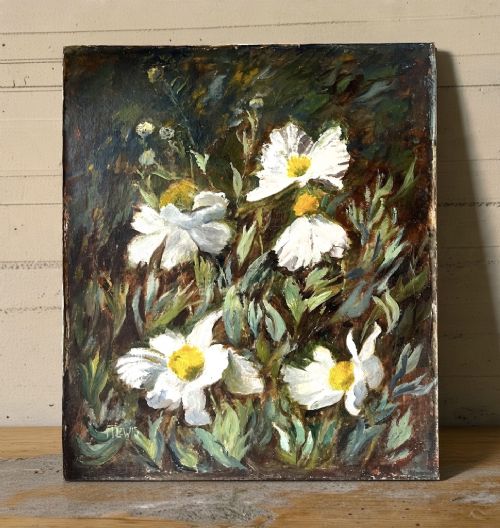
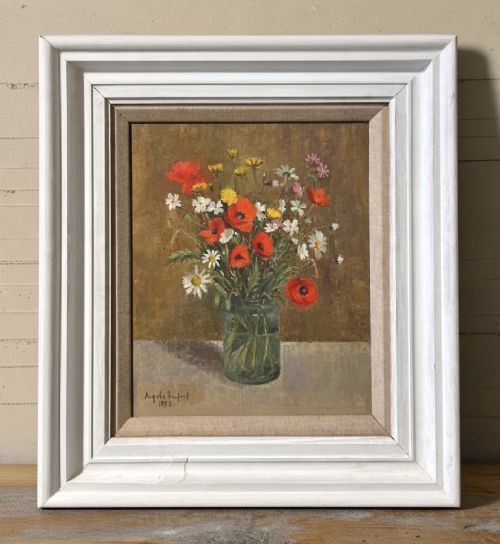
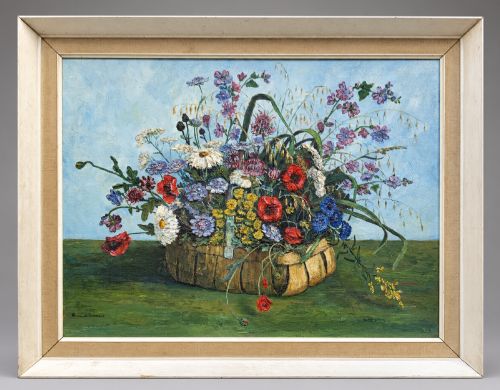
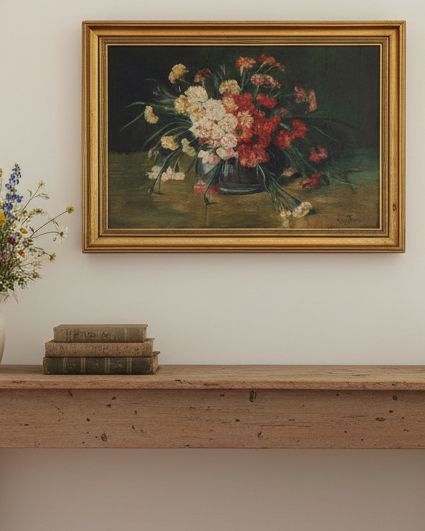
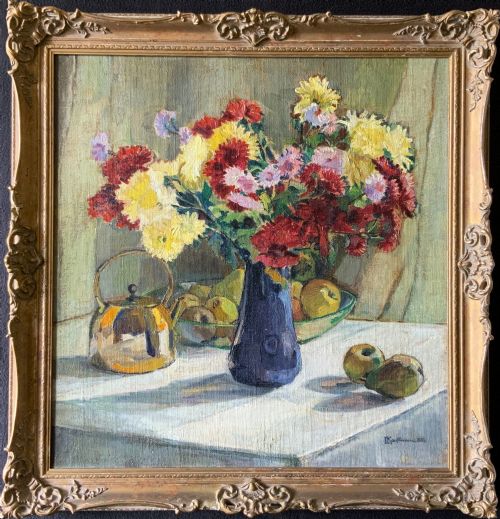
Signed floral art encompasses painted and decorative works focused on flowers, botanical studies, and garden scenes carrying the maker's signature. Buyers exploring this selection encounter oil paintings on canvas, delicate watercolours on paper, and decorative vessels adorned with floral motifs.
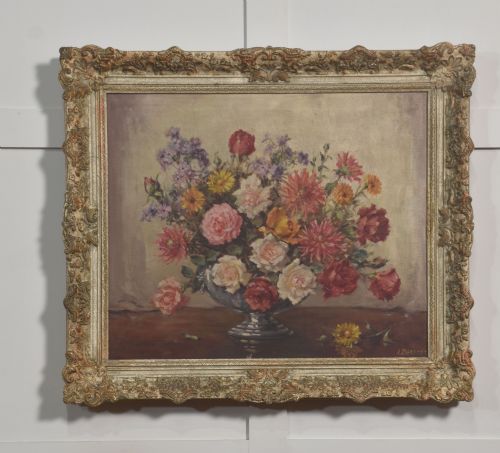
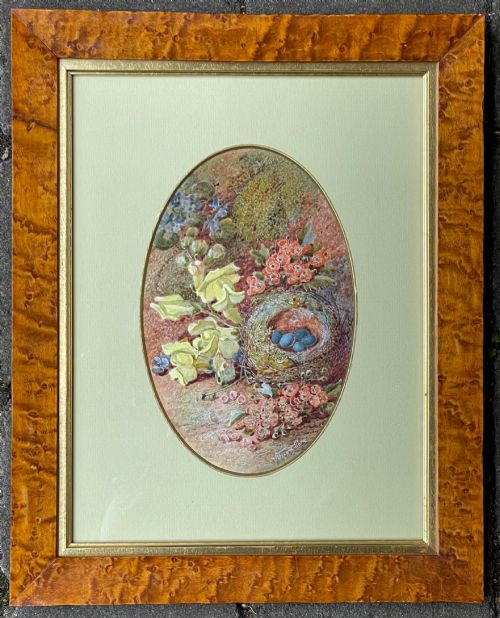
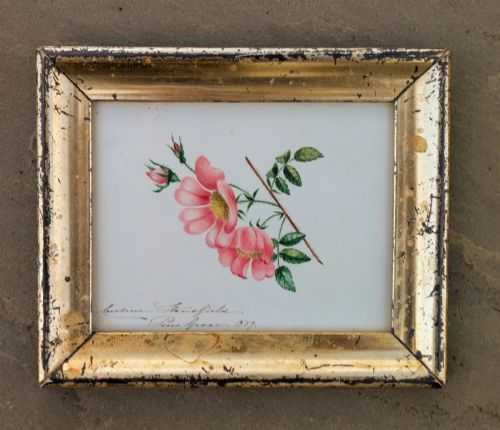
The pieces span from Victorian watercolours to mid-century oil paintings and early twentieth-century depictions of roses, pansies, and wild flowers. Works range from intimate miniature still-life studies to large canvases housed in gilt gesso frames.
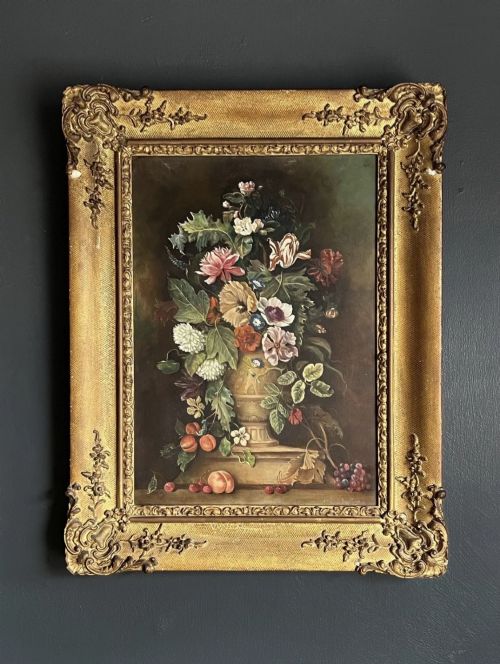
Among these items, traditional oil paintings of still-life floral arrangements dominate the selection, alongside framed watercolours and occasional enameled or hand-painted ceramics. Each piece offers a direct link to the hand of the artist or artisan through their visible signature.
Materials and construction
These works rely on traditional artist materials, predominantly oil paint applied to stretched canvas or board, alongside watercolours worked on paper. Frames are frequently fashioned from wood finished with gilt gesso, complementing the painted compositions within.
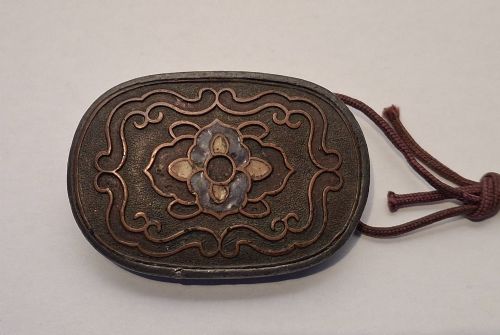
Ceramic and glass items utilise specialised firing and enamelling techniques, such as champleve enamel on pewter or hand-painted glazes on earthenware bodies. The physical application reveals the deliberate brushstrokes of the painter or the careful tooling of the metalworker.
Signed Floral Art Retail Price Guide 2026
Typical asking prices for signed floral art among the pieces listed under this phrase on Sellingantiques today, from the lower quarter to the upper quarter. They describe what is for sale here now, not the wider market.
Listings feature works spanning the nineteenth century through to the mid-twentieth century, encompassing both oil paintings and watercolours.
Distinctions in quality
Quality in these pieces rests upon the confidence of the mark-making and the harmony of the composition. Stronger works display assured handling of colour and light, capturing the texture and form of petals with precise yet fluid strokes rather than rigid copying.
The integrity of the medium and the preservation of the surface also separate exemplary works from ordinary ones. Well-maintained canvases with stable paint layers and watercolours retaining their original pigment vibrancy stand apart from items compromised by heavy fading or unskilful restoration.
Vincent Clare·Owen Bowen·Harry Wanless·Lester Sutcliffe·Sir George Reid·Phyllis I Hibbert·Rene Lalique·Emma Loffler
The Signed Floral Art Glossary
- Gesso
- A plaster-like mixture applied to wooden frames before gilding or painting. It provides a smooth surface that can be moulded into decorative relief patterns.
- Champleve
- An enamelling technique where troughs are carved into a metal surface and filled with vitreous enamel before firing. The surrounding metal remains visible as part of the design.
- Still life
- An artwork depicting inanimate subject matter, typically commonplace objects such as cut flowers in a bowl or vase. It allows artists to focus on light, colour, and composition.
- Impressionism
- A style of painting emphasising unblended brushstrokes and the shifting effects of light. Practitioners sought to capture an immediate visual impression of a scene rather than precise detail.
- Watercolour
- A paint consisting of pigment suspended in a water-based solution, traditionally applied to paper. It relies on the white of the paper shining through translucent washes.
Signed Floral Art: Frequently Asked Questions
How should I hang floral art at home?
Position these works at eye level in spaces with controlled natural light to preserve pigments over time. Avoid placing watercolours or oil paintings in areas subject to excessive dampness or direct sunshine.
Pairing a framed floral piece with neutral walls allows the colours of the blooms to stand out clearly. Consider the original frame style when selecting a wall, ensuring the wood or gilt finish complements surrounding furnishings.
What is the difference between oil and watercolour?
Oil paint utilises pigments bound in a drying oil, offering a rich, thick texture that can be built up in heavy layers. This medium allows for deep colour saturation and slow blending on the canvas.
Watercolour employs water-soluble binders on paper, creating translucent washes that depend on the supporting paper for brightness. These works require protective glass framing to prevent moisture damage and surface abrasion.
How can I date a signed painting?
Examine the signature style, the materials used for the canvas or paper support, and the framing construction. Signatures often evolve over an artist's career, providing a reliable chronological marker.
Look for clues in the subject matter, costume, or accompanying labels on the reverse of the frame. Comparing the work with documented pieces from the same period helps narrow down the decade of creation.