



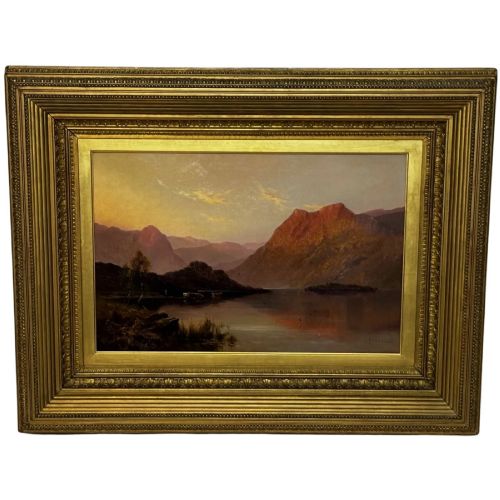
Signed Canvas Painting
A signed canvas painting brings the distinct hand of an individual artist into a room, offering original brushwork and historic depth.
Signed Canvas Painting
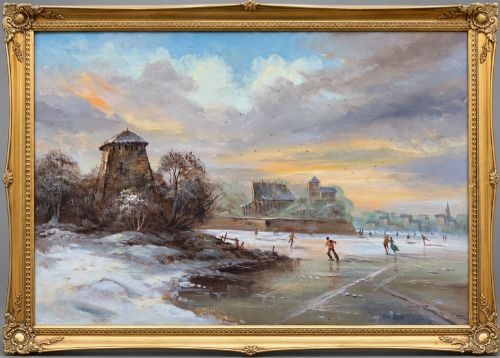
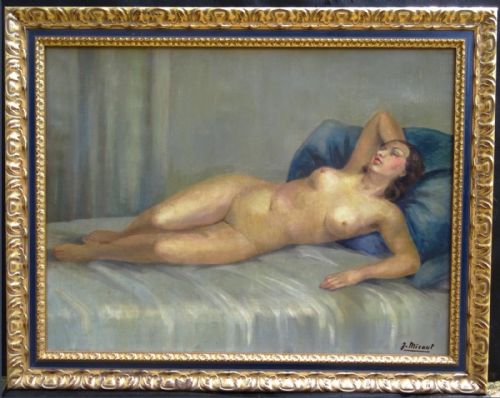
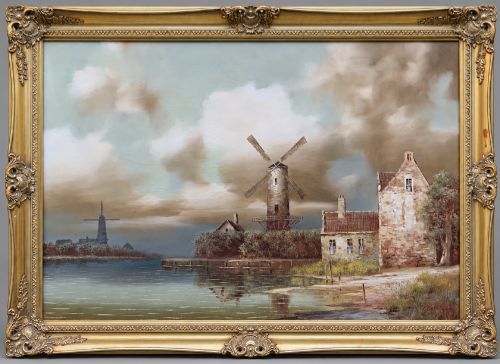
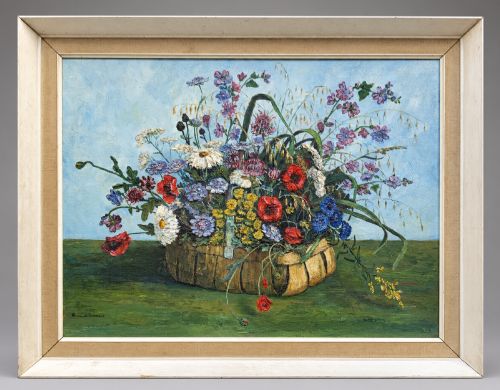
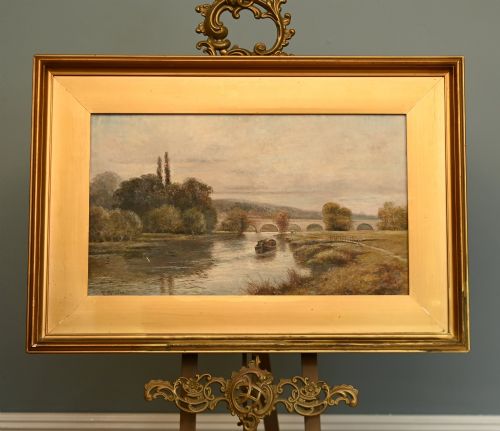
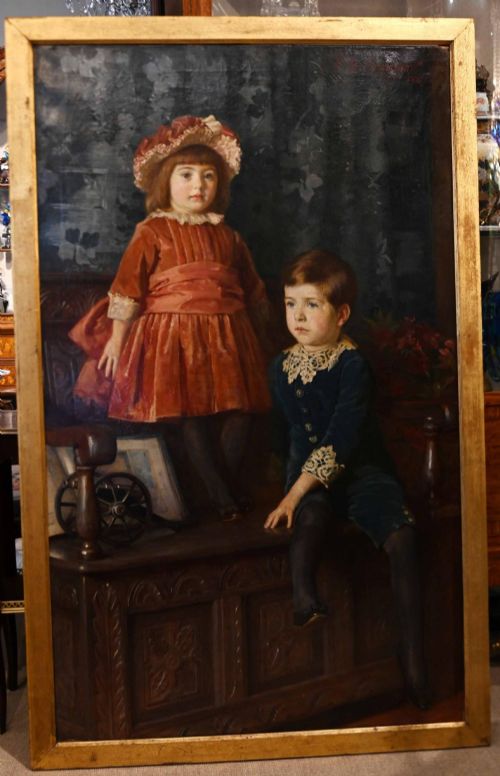
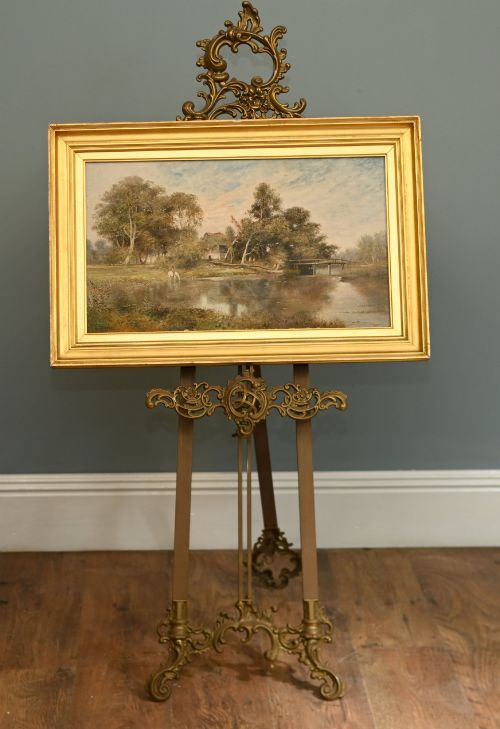
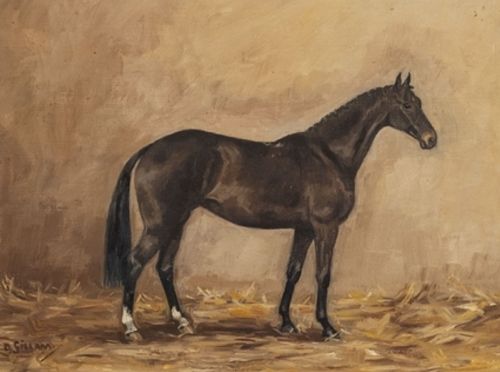
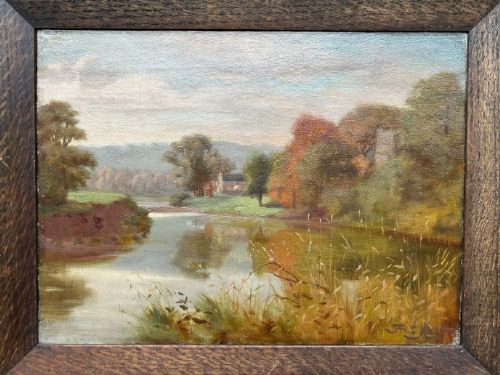
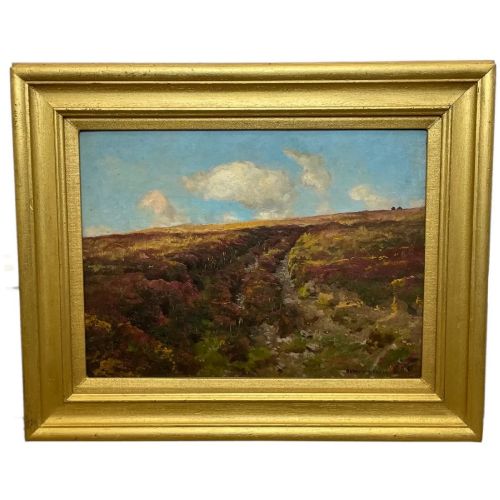
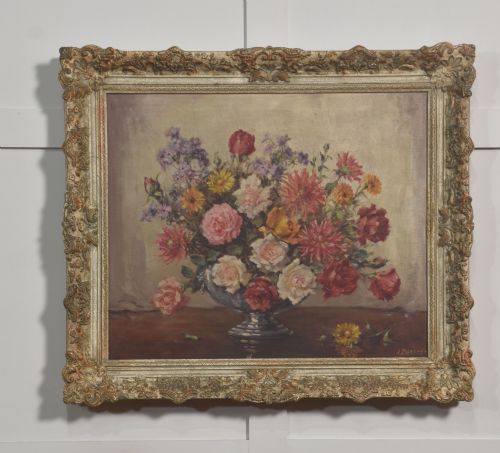
When you search for a signed canvas painting, you encounter original works spanning from the eighteenth century through the mid twentieth century. These pieces encompass varied subjects, including pastoral landscapes, maritime scenes, floral still lifes, and intimate portraits.
The selections frequently feature British, French, and European schools of art, created by both established academicians and regional painters. Canvases appear either stretched over traditional wooden frames or occasionally laid onto board.
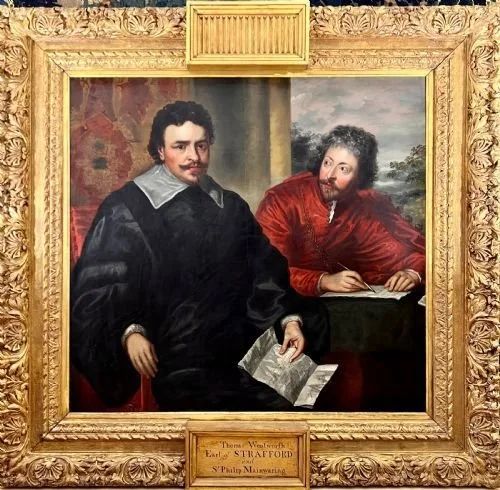
Many examples retain their period frames, such as gilt gesso mouldings that complement the artwork. The signatures range from clear, proud inscriptions to indistinct initials left by lesser known hands.
How they were made
Artists built these works using oil paint applied directly to woven canvas substrates, frequently stretched across sturdy wooden frames. The handling of the medium varies from smooth, blended academic glazing to thick, textured impasto strokes.
Many surviving pieces retain their original or period giltwood and gesso frames, which were carved and gilded to house the canvas securely. Over decades, the oil pigments developed a stable craquelure, reflecting the natural ageing of the binders and varnishes.
The listings feature oil paintings on canvas across the nineteenth and twentieth centuries, including British, French, and Italian schools.
What varies in quality
The distinction between ordinary and exceptional works rests on the confidence of the brushwork and the clarity of the composition. Masterful pieces capture light, atmosphere, and anatomy with precision, whereas weaker examples rely on stiff, formulaic execution.
Condition also defines the upper tier, rewarding canvases that preserve their original tension, stable paint layers, and untouched framing. Works that have suffered extensive relining, harsh cleaning, or heavy overpainting sit lower down the scale.
Kenneth Cozens·William H Myers·Frederick Marriott·Arthur Wardle·Alfred Fontville de Breanski Jr·George Houston·Stephen Samuel Lewin·John Rose Miles·Robert Morson Hughes·Vittorio Reggianini·Thomas W Lascelles·Arthur Gue·Lucy Pratt·Mark Ingram·Bernard Benedict Hemy·Herbert Ashwin Budd·Eric Brown·Trajan Hughes·Charles James McCall·Vernon DeBeauvoir Ward·Edgar Hunt·John Vanderbank·Godfrey Kneller
The Signed Canvas Painting Glossary
- Impasto
- Paint applied thickly to a canvas so that it stands out from the surface. This technique leaves visible brush or palette knife marks that catch the light.
- Giltwood
- Timber carved and coated with gold leaf or gold paint. It frequently forms the decorative period frames housing antique canvases.
- Gesso
- A plaster mixture used as a smooth base for moulding details on picture frames. It is often gilded once dry.
- Craquelure
- The fine network of minute cracks appearing across the surface of old oil paint. It serves as a natural indicator of age in historic canvases.
- Verso
- The back of the canvas or its stretcher frame. Signatures, dates, and gallery inscriptions frequently appear here rather than on the front.
Signed Canvas Painting: Frequently Asked Questions
How do I date a signed canvas painting?
Dating relies heavily on a combination of the artist's recorded working years, the style of the clothing or landscape, and the physical characteristics of the canvas and stretcher.
Examining the nails, framing methods, and the type of canvas weave provides further clues to establish the approximate decade of creation.
What is the best way to hang a heavy gilt frame?
Heavy giltwood frames require secure wall fixings, such as heavy duty picture hooks screwed directly into wall studs or solid masonry anchors.
Using a robust steel wire or brass plates attached firmly to the stretcher bars ensures the weight is distributed evenly.
Why do some paintings have signatures on the back?
Artists sometimes signed the reverse of the canvas or the wooden stretcher frame rather than the painted surface to preserve the composition's visual balance.
These verso signatures were also added when works were framed or inventoried later in the artist's career.