


Signed Bronze Animal Sculpture
A signed bronze animal sculpture captures life in metal, offering a tangible piece of natural history and fine foundry work for your mantel.
Signed Bronze Animal Sculpture
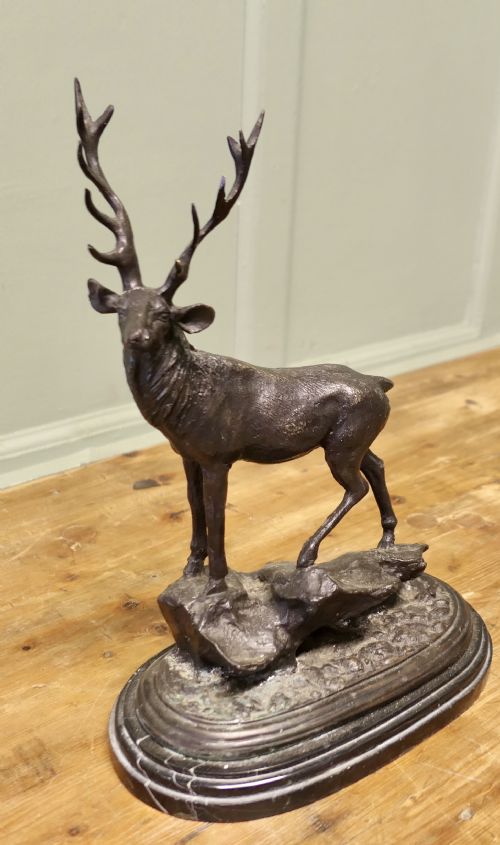
When you search for signed bronze animal sculpture, you encounter figures ranging from aggressive big cats and resting stags to domestic dogs and mythical beasts. These pieces emerge predominantly from nineteenth-century European foundries and Japanese Meiji period workshops, reflecting both Western animalier realism and Eastern metalwork traditions. You will frequently meet French animalier bronzes featuring lions, tigers, and stags, often mounted on carved marble plinths.
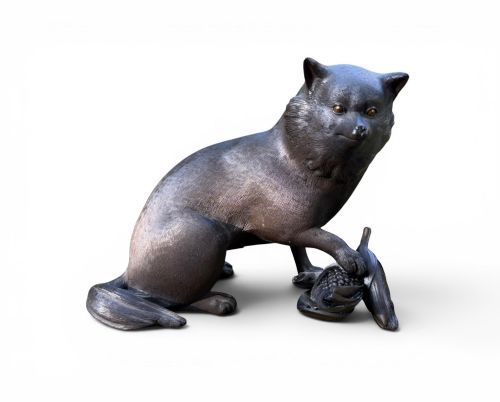
The physical forms span compact tabletop okimono and cold-painted Vienna bird figures up to substantial crouching lions and roaring beasts. Many incorporate multi-part casting, naturalistic patination, or applied colour, distinguishing them from unadorned metalware. Each signed work carries the personal mark or foundry stamp of the artist who modelled or cast the subject.
Quality factors in metal and form
The precision of the chasing work separates standard foundry output from superior artistic achievements. Finer pieces retain crisp anatomical definition in the paws, mane, and bone structure without losing the fluidity of the living animal.
The integration between the bronze figure and its marble plinth indicates overall execution standards. Superior sculptures feature tight mounting and balanced composition where the weight of the metal feels anchored to the stone base rather than awkward.
The listings span Victorian, Art Deco, and Meiji periods, combining European animalier bronzes with Japanese okimono.
Franz Bergman·G. GARDET·Albert Hussmann·I. Rochard·DUBUCAND
The Signed Bronze Animal Sculpture Glossary
- Animalier
- A nineteenth-century artistic movement focusing on realistic depictions of animals, particularly wild beasts in motion or repose. French sculptors popularised this genre through detailed bronze casts.
- Okimono
- A Japanese ornamental carving or sculpture designed for display on a household platform or tokonoma. These pieces often depict animals and figures with notable realism from the Meiji period.
- Patina
- The surface coloration and sheen developed on bronze through age or chemical treatment. Artists manipulate this layer to enhance the visual depth of fur and hide.
- Cold-painted
- A technique where oil paint or enamel is applied to a cold bronze casting rather than fired in a kiln. This method allows for vivid multi-coloured bird and animal plumage.
- Hot-cast
- A traditional manufacturing method involving molten bronze poured into a mould. This process ensures heavy, solid metal objects compared to lighter hollow resin alternatives.
Signed Bronze Animal Sculpture: Frequently Asked Questions
How do I clean a bronze animal sculpture?
Dust the surface gently with a soft, dry brush to remove particles settled in the recesses of the patina. Avoid using water, soap, or abrasive metal polishes which strip the original chemical finish.
Apply a very light coat of microcrystalline wax occasionally if the metal appears dry, buffing it gently with a clean cloth. This protects the bronze from atmospheric moisture without altering the colour.
What is an animalier bronze?
An animalier bronze is a nineteenth-century sculpture focusing specifically on the realistic anatomy and behaviour of animals. These works capture predators in motion, resting stags, and domestic pets with intense observational accuracy.
Many originate from French and European workshops where sculptors specialised exclusively in animal subjects, often signing their casts directly on the bronze base.
Are all bronze sculptures solid metal?
Most traditional bronze sculptures are cast using the lost-wax method, which frequently results in hollow rather than solid metal interiors to save weight and material. This technique maintains structural integrity while keeping the overall piece manageable to move.
Heavier elements like marble bases provide physical stability to offset the weight distribution of the cast animal figure resting upon them.
How do I identify a signature on bronze?
Signatures are typically incised directly into the hot metal by the artist during the casting process, or stamped as foundry marks near the base of the sculpture. Look closely around the paws, rockwork, or lower edge of the bronze body.
Compare the signature style against known foundry records and artist registers from the specific Victorian or Art Deco period of execution.