



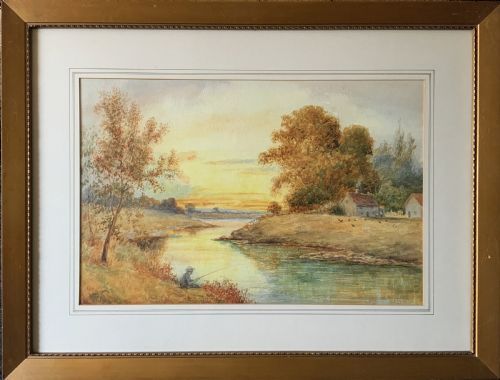
Signed British Watercolour Art
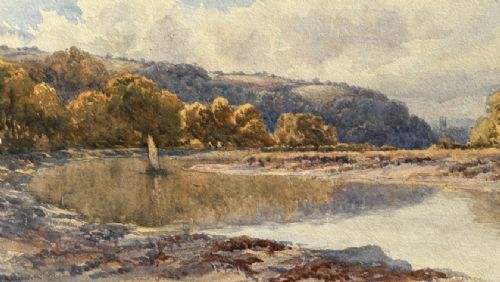
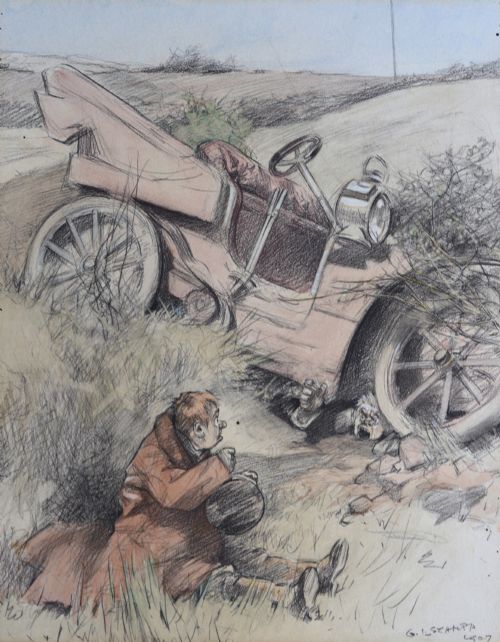
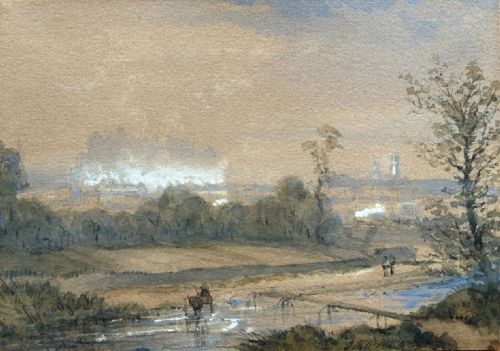
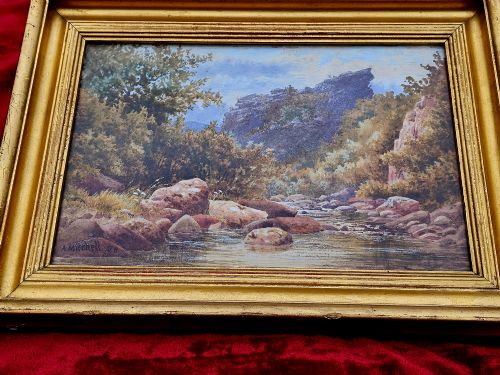
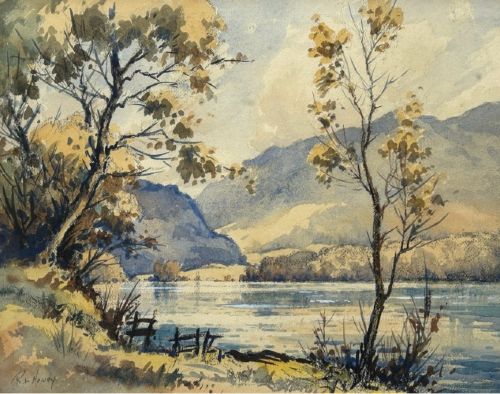
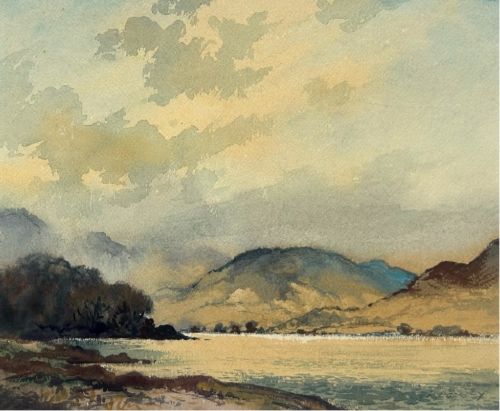
Signed british watercolour art brings together hand-painted views and studies on paper, offering collectors direct access to personal touches from regional and academic hands.
Signed British Watercolour Art
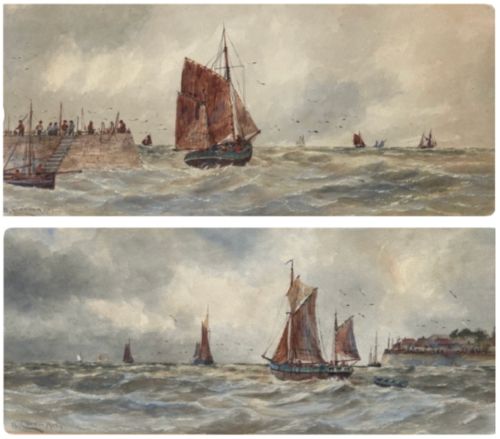
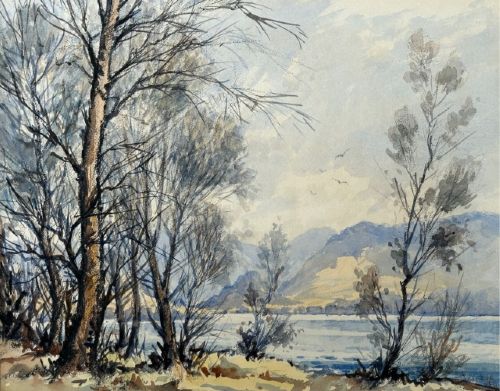
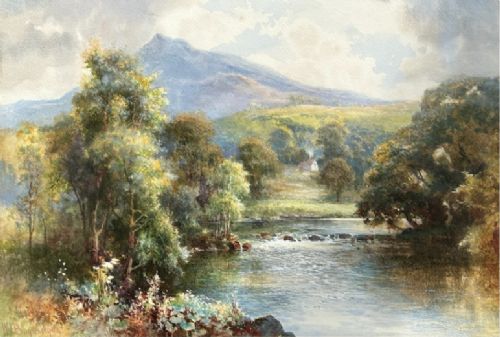
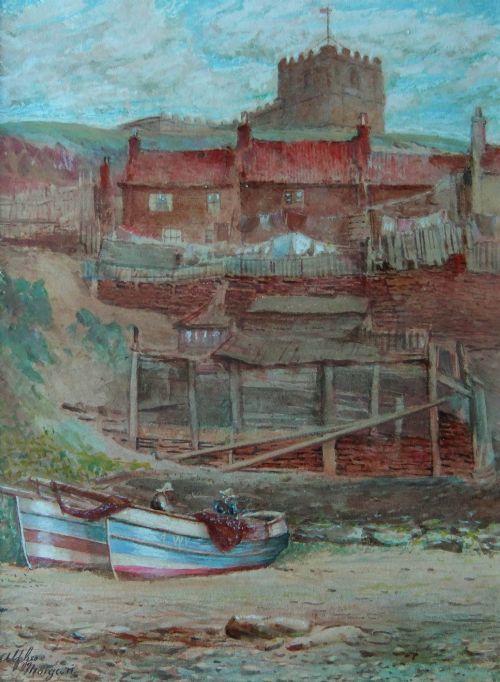
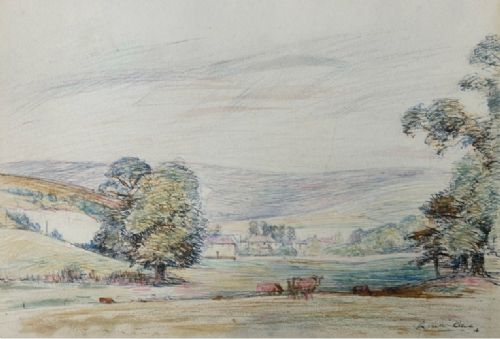
Signed british watercolour art spans traditional landscapes, seascapes, architectural views, and intimate still life studies produced across the nineteenth and twentieth centuries. When exploring this selection, buyers encounter framed works ranging from Victorian coastal scenes to mid-century British school abstracts.
The material output includes original paintings, drawings, and sketches executed by named artists associated with institutions like the Royal Academy. These pieces record topographical locations from Yorkshire to Wales, alongside botanical studies and character portraits.
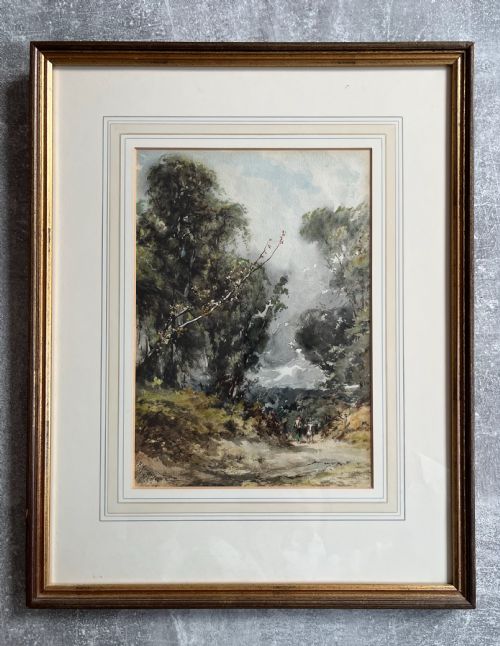
Compositions frequently arrive ready to display in period frames constructed from wood and glass. The scope includes both detailed historical views and expressive early twentieth-century interpretations.
How They Were Made
These works rely on water-soluble pigment applied directly to absorbent paper supports, sometimes supplemented with ink lines or gouache details. Artists built up transparent washes to capture atmospheric light, shifting weather, and coastal haze.
Finished sheets were secured behind glass within protective wooden and gilt wood frames to prevent moisture damage and surface degradation. Signatures in ink or pencil anchored the pieces to their individual creators.
Listings feature works executed on paper using watercolour paint, ink, and glass-fronted gilt wood frames.
What Varies In Quality
Quality rests on the handling of pigment, the strength of the composition, and the preservation of the paper support against fading or foxing. Masterful control over transparent washes distinguishes accomplished academic output from routine amateur sketching.
Signatures by documented painters, Royal Academy exhibitors, or specialists tied to regional schools elevate historical interest. The integrity of the original framing and the clarity of the depicted subject matter also shape the standing of individual works.
George Lorain Stampa·George Fotherly Hargitt·James Orrock·William Cannon·John R Prentice·Robert Leslie Howey·William Banks Fortescue·William Joseph Boyes·Alfred G Morgan·Russell Sidney Reeves·F A Roylance·Dame Elisabeth Frink·Fred Lawson·Cuthbert Crossley·Stanley Orchart·F J Aldridge·Colin H Greenwood·Henry Bailey·Raoul Millais·Lester Sutcliffe·John Syer·Frank Wood·Kate E Booth·William Stephen Coleman·Adrian Heath
The Signed British Watercolour Art Glossary
- Watercolour pigment
- Finely ground colour particles suspended in a water-soluble binder. This medium allows artists to layer transparent washes on paper.
- Gilt wood
- Timber framing coated with a thin layer of gold leaf or metallic gilt. This material frequently encases period works to complement the composition.
- Foxing
- Brown spots and discolouration caused by chemical reactions in ageing paper. This occurrence frequently appears on nineteenth-century sheets.
- Diptych
- A painting created across two separate hinged or matched panels. This format allows artists to present connected views side by side.
Signed British Watercolour Art: Frequently Asked Questions
How do I identify the artist?
Look for handwritten signatures, monograms, or inscriptions typically located in the lower corners of the sheet. Annotations on the reverse often supply exhibition addresses or confirmed titles.
Compare legible names against nineteenth and twentieth-century artist directories to verify working periods and regional associations.
Where should I hang these paintings?
Select interior walls protected from direct sunlight to prevent the watercolour pigments and paper supports from fading. Maintain stable room temperatures to safeguard the integrity of the frame and glass.
Keep pieces away from high-moisture zones like kitchens or unventilated bathrooms to avoid paper damage.
What periods do these pieces cover?
The available selection spans from the mid-nineteenth century through the Edwardian era and into the mid-twentieth century. Victorian examples sit alongside modernist expressions from later decades.
Stylistic shifts reflect changing approaches to landscape and abstraction across British art history.