

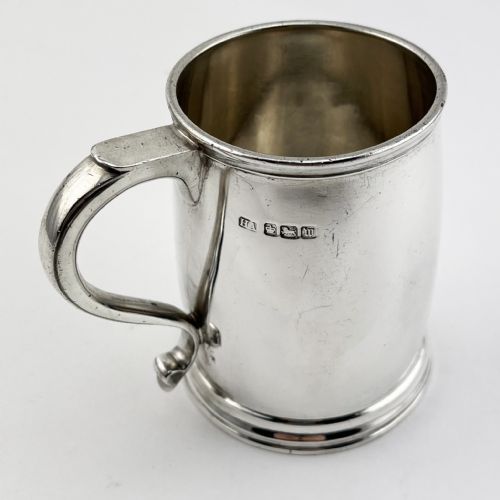


Sheffield Silver Cup
These sheffield silver cup pieces range from substantial church chalices to intimate christening mugs, offering enduring craftsmanship for any serious collector.
Sheffield Silver Cup
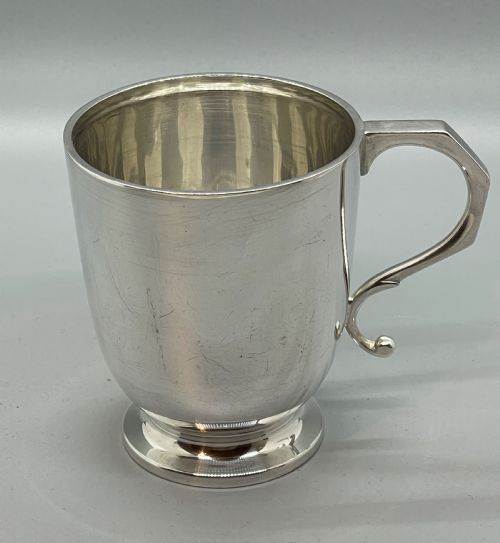
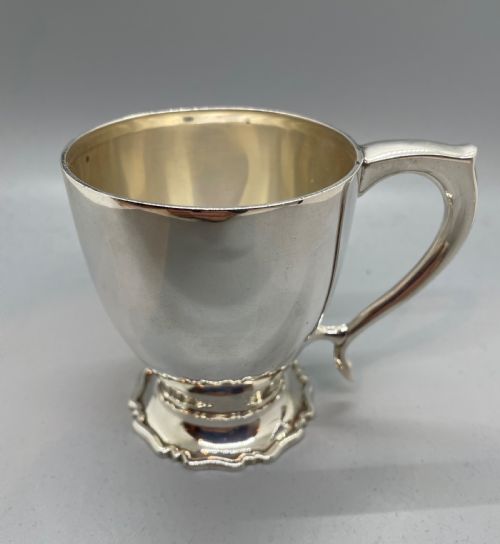
When you search for sheffield silver cup, you encounter a specialised selection of drinking vessels and commemorative objects spanning the eighteenth, nineteenth, and twentieth centuries. The inventory encompasses diverse forms including communion chalices, loving cups, christening mugs, tankards, goblets, and miniature urns.
You meet various traditional styles across these objects, ranging from Georgian and Regency designs to Victorian, Edwardian, Art Nouveau, and Mid-Century Modern aesthetics. The selection bridges ecclesiastical vessels and domestic silver, reflecting the broad output associated with Sheffield manufacturing.
How they were made
The material vocabulary of these items centres on silver, sterling silver, and silver plate, alongside the distinctive technique of Old Sheffield Plate. Several pieces also incorporate gold gilt or gold gilding to enhance their interior bowls or decorative accents.
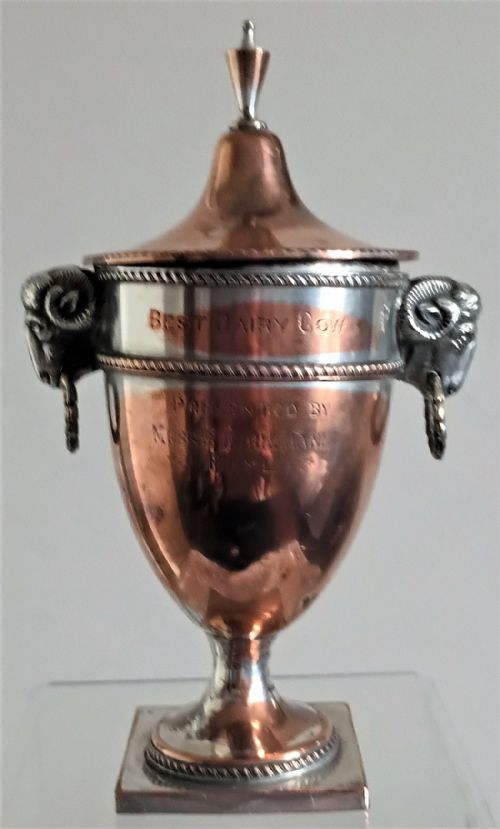
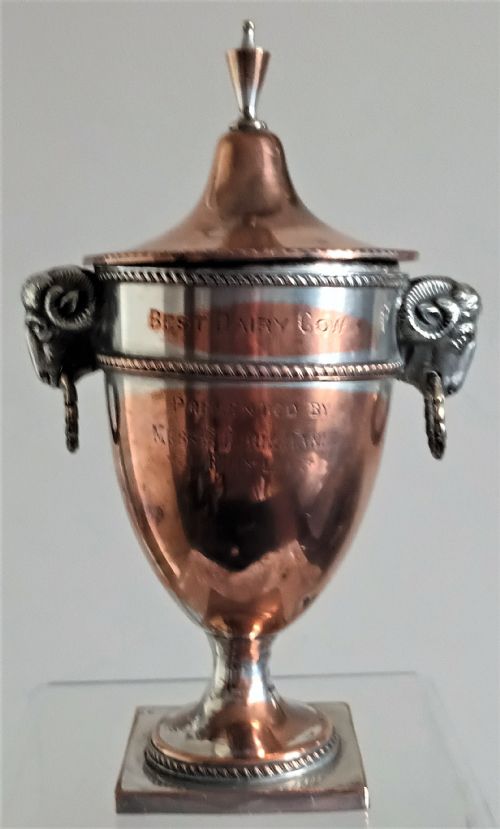
Makers utilised copper as a base metal for fused plated wares, layering silver over the core before shaping the vessel. Subsequent periods favoured solid sterling silver stamped with assay marks specific to Sheffield production.
Sheffield Silver Cup Retail Price Guide 2026
Typical asking prices for sheffield silver cup among the pieces listed under this phrase on Sellingantiques today, from the lower quarter to the upper quarter. They describe what is for sale here now, not the wider market.
Miniature chestnut urns occasionally sneak into the drinking vessel category, proving that even eighteenth-century silversmiths loved a tiny container.
What varies in quality
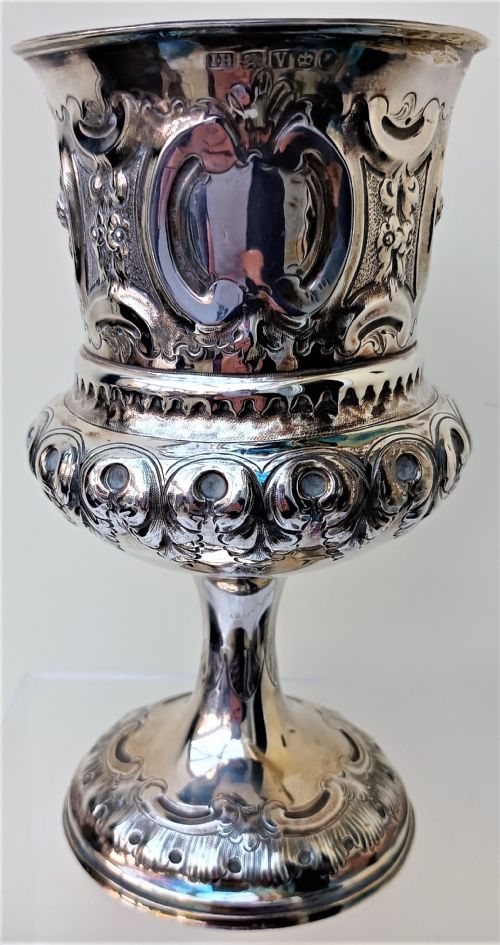
Quality in these drinking vessels rests upon the crispness of chased or embossed ornamentation, particularly visible in Art Nouveau flourishes or Georgian armorial engravings. The integrity of the fused silver layer on Old Sheffield Plate pieces also distinguishes finer examples.
Proportion and weight dictate the tactile presence of a tankard or chalice, separating utilitarian pieces from masterworks of silversmithing. The clarity of Sheffield hallmarks and maker marks provides further indication of provenance and manufacturing standard.
Joseph Rodgers And Sons
The Sheffield Silver Cup Glossary
- Old Sheffield Plate
- A composite material made by fusing a thin sheet of silver to a thicker copper core, popular before electroplating. This technique produced durable wares with a rich surface texture.
- Chalice
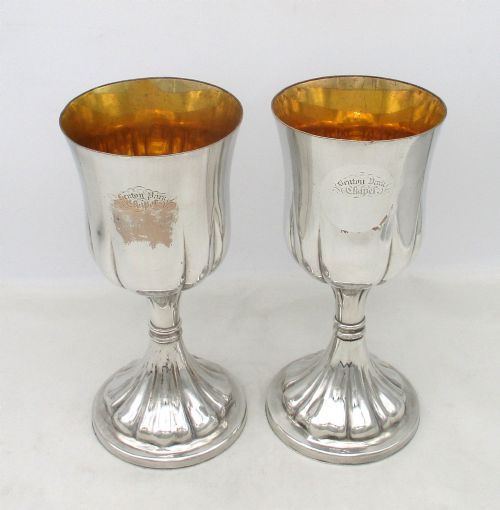
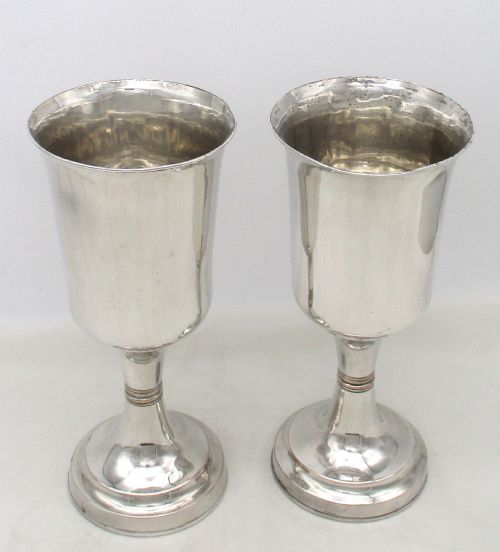
- A large stemmed cup used primarily for sacramental wine in religious services. These vessels often feature deep bowls and knopped stems.
- Loving Cup
- A large drinking vessel equipped with multiple handles, designed to be passed among guests at banquets and celebrations. They frequently appear in silver plate and sterling silver.
- Christening Mug
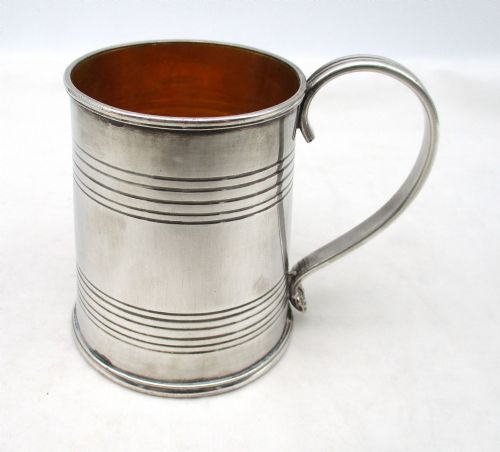
- A small mug or tankard presented as a traditional gift for the birth or baptism of a child. They typically date from the Victorian era onwards.
- Gilt
- A thin layer of gold applied to the interior or exterior surface of a silver vessel. This method protected the base metal from tarnishing by acidic liquids.
Sheffield Silver Cup: Frequently Asked Questions
What is Old Sheffield Plate?
Old Sheffield Plate is an early composite material created by fusing silver and copper together through heat and pressure. This method predates modern electroplating and yields a deep, warm metallic lustre.
Items made this way display the copper core subtly at cut edges or wear points, which helps confirm their period of manufacture.
How were christening mugs used?
Christening mugs served as traditional commemorative gifts given to newborns or infants to mark their baptism. Families kept these small silver vessels as lifetime keepsakes rather than daily tableware.
Many examples feature engraved initials, dates, or decorative repoussé work recording the child's early milestone.
How do I care for silver chalices?
Silver and plated vessels require gentle cleaning with non-abrasive polishes formulated specifically for precious metals. Regular handling helps maintain a natural surface glow without stripping thin plating.
Store these cups in dry environments away from direct sunlight and chemical fumes to prevent premature tarnishing.
How can I date a Sheffield cup?
Dating relies heavily upon the presence of assay office stamps, maker marks, and stylistic indicators such as Victorian or Georgian motifs. Old Sheffield Plate items from the eighteenth and early nineteenth centuries often rely on construction methods rather than formal hallmarks.
Comparing the weight, handle attachment, and foot rim profile to documented examples clarifies the period.