



Sheffield Silver Box
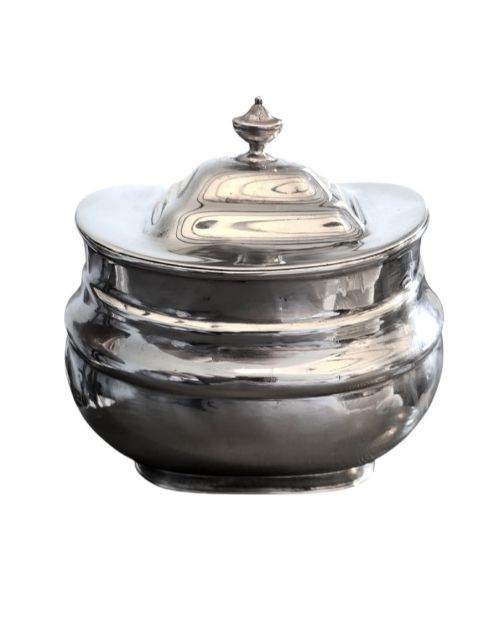
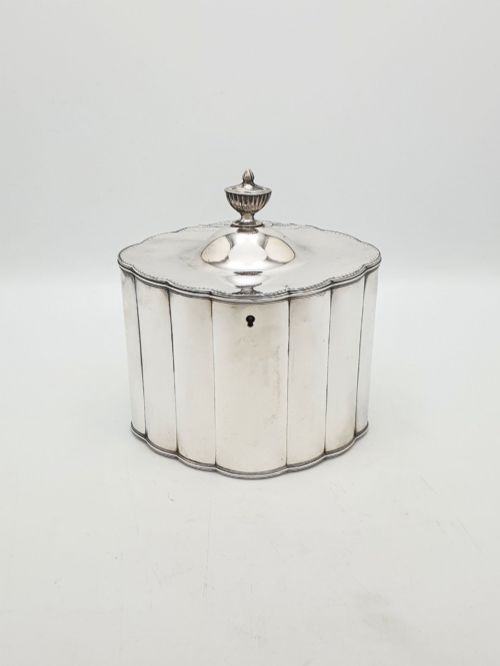
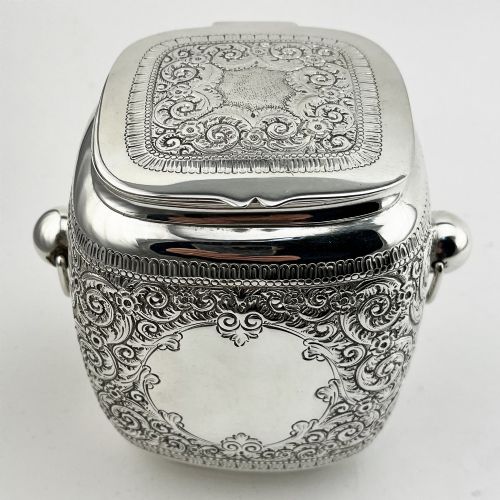
These pieces of a sheffield silver box range from solid sterling tea caddies to silver-plated biscuit barrels, offering fitted interiors for the collector.
Sheffield Silver Box
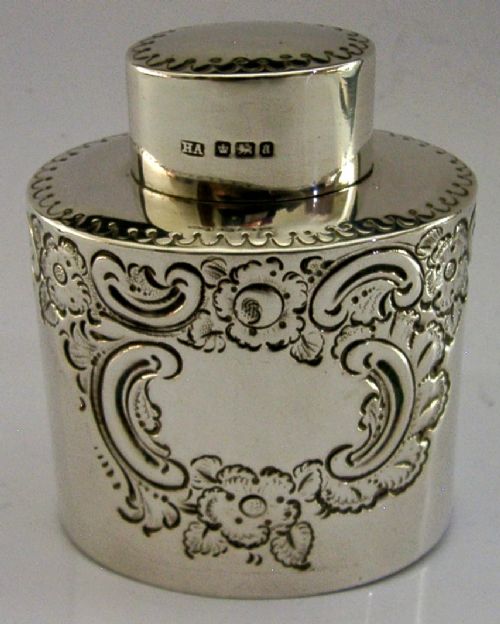
A sheffield silver box encompasses a variety of functional containers spanning the Georgian, Victorian, Edwardian, and Art Deco periods, including tea caddies, tobacco boxes, ring boxes, and biscuit barrels. These vessels reflect the changing domestic habits of the nineteenth and twentieth centuries, transitioning from luxury containers for imported tea to refined table wares and vanity accessories.
The objects seen here divide broadly between solid sterling silver and silver plate, alongside pieces utilising old Sheffield plate. Forms range from utilitarian desk and table boxes to fitted cased sets and intricate vanity jars lined with cut glass.
How They Were Made
Makers utilised sterling silver, silver plate, and old Sheffield plate, often combining metal bodies with internal linings of velvet, silk, or gilt interiors. Construction techniques involved both solid casting and hand-hammered sheet metal, alongside fused plating methods characteristic of early regional manufacturing.
Detailing frequently incorporated supplementary media such as mother-of-pearl handles, cut glass bodies, enamel work, and copper elements to provide contrast and texture.
Sheffield Silver Box Retail Price Guide 2026
Typical asking prices for sheffield silver box among the pieces listed under this phrase on Sellingantiques today, from the lower quarter to the upper quarter. They describe what is for sale here now, not the wider market.
What Varies In Quality
The standard of a sheffield silver box depends upon the crispness of the original hallmarks, the depth and execution of repoussé or engraved decoration, and the integrity of fitted internal compartments. Pieces retaining their original silk or velvet linings and fitted wooden or leather cases command greater interest.
The distinction between solid sterling silver and plated wares shifts the baseline of intrinsic material value, yet master silversmith work on plated biscuits barrels and tea caddies by noted firms demonstrates equally high levels of craftsmanship.
Mappin And Webb·Walker And Hall·James Dixon And Sons·Cooper Brothers And Sons·Harry Atkin
The Sheffield Silver Box Glossary
- Sterling silver
- A silver alloy containing 92.5 percent pure silver and 7.5 percent other metals, usually copper, ensuring structural durability.
- Old Sheffield plate
- An early form of plated metal produced by fusing a sheet of silver to a thicker copper base before rolling.
- Tea caddy
- A container designed to store loose tea leaves securely, often featuring a fitted lid and internal lock.
- Hallmark
- An official stamp applied by an assay office indicating metal purity, the maker's mark, and the year of production.
- Biscuit barrel
- A lidded cylindrical container created for serving biscuits at the Victorian and Edwardian dining table.
Sheffield Silver Box: Frequently Asked Questions
How do I identify a sheffield silver box?
Examine the piece for official assay marks indicating manufacture in Sheffield alongside maker initials. These stamps usually appear on the base, rim, or interior lid.
Compare the construction style and materials against documented periods from the Georgian era through the Art Deco movement to confirm the date of origin.
What is the difference between silver plate and sterling?
Sterling silver consists of solid metal conforming to strict purity standards throughout the entire object. Plated items feature a thin layer of silver bonded to a base metal such as copper or a white metal alloy.
Check for hallmarks indicating sterling or look for wear spots where base metal might show through on older plated examples.
How were biscuit barrels used?
Victorian and Edwardian households utilised biscuit barrels on the dining table or sideboard for serving dry sweet or savory biscuits during afternoon tea and formal meals.
Many featured hinged lids and fitted ceramic or cut glass inserts designed to keep the contents fresh and protected from moisture.
How do I care for silver and plated boxes?
Dust surfaces gently with a soft microfibre cloth and avoid harsh chemical dips that strip away patination or damage delicate velvet and silk linings. Store pieces in stable, dry environments away from direct sunlight to minimise tarnishing.
If polishing is necessary, use a specialist silver cloth and apply minimal pressure to raised engravings and maker marks.