



Sheffield Plated Cup
A sheffield plated cup combines rich historical presence with dual-metal craftsmanship, offering an enduring centrepiece for any traditional interior.
Sheffield Plated Cup
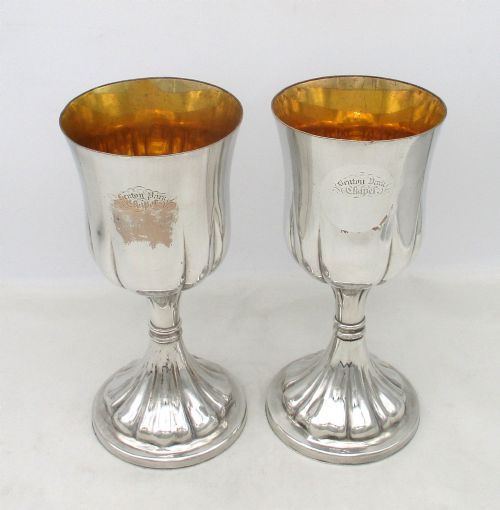
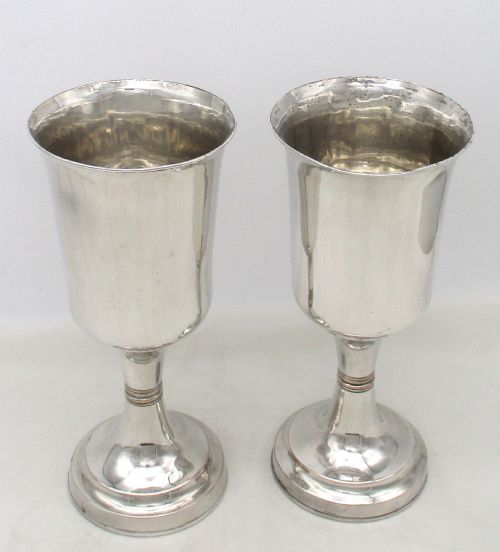
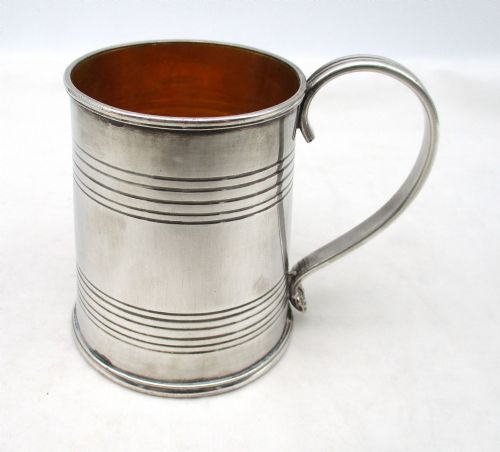
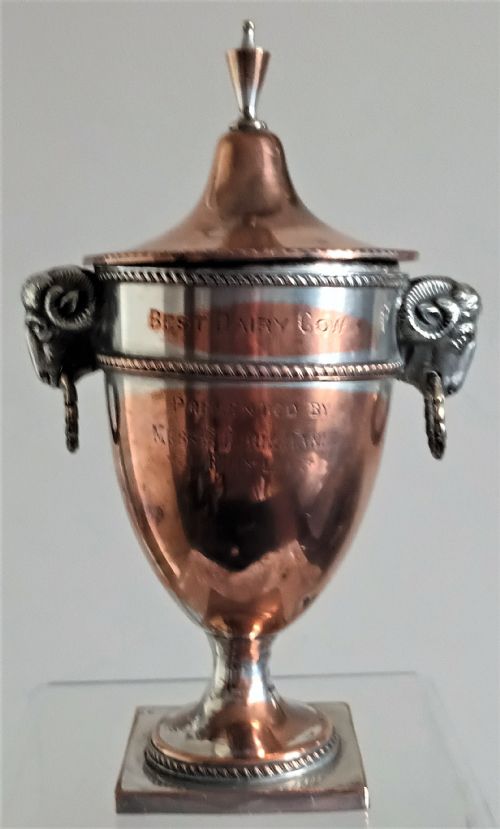
When searching for a sheffield plated cup, you are looking at items created through the fusion of silver and copper, primarily originating from the Georgian and Victorian eras. These drinking vessels and display pieces include chalices, tankards, loving cups, and miniature urns, all carrying distinct historical significance. On this page, you are most likely to encounter 19th-century church chalices and domestic tankards dating from around eighteen hundred to the mid-nineteenth century.
The domestic and ecclesiastical forms vary considerably in scale, ranging from tall pairs of church chalices down to small children's tankards and miniature chestnut urns. Styles span the Georgian and Regency periods, moving through William IV designs and occasionally reaching into later aesthetic shifts like Art Nouveau. Each piece reflects the functional requirements of its original context, whether intended for communion services or ceremonial toasts.
The origins of these vessels lie in the pioneering methods developed in South Yorkshire, where workshops perfected the bonding of precious metal to a base metal core. Such items deliver the visual weight and polish of solid silver without the commensurate cost of the period. Collectors prize them for their surviving gilding, warm copper undertones, and the honest wear of past centuries.
Materials and construction
The foundation of these vessels relies upon a thick sheet of copper fused mechanically to a thinner layer of silver under intense heat. This process, known as old sheffield plate, created a durable composite sheet before silversmiths shaped the metal by hand or spinning on a lathe. Artisans then applied applied borders, handles, and shields, often reinforcing rims with thin wire to conceal the exposed copper edge.
Internal surfaces and specific decorative details frequently received a wash of gold gilding to prevent metallic tastes and enhance the visual richness of the interior. Over decades of polishing, the underlying copper occasionally telegraphs through the silver layer, producing a warm reddish glow at high points. This specific method of fusing two distinct metals defines the technical integrity of every piece seen here.
Sheffield Plated Cup Retail Price Guide 2026
Typical asking prices for sheffield plated cup among the pieces listed under this phrase on Sellingantiques today, from the lower quarter to the upper quarter. They describe what is for sale here now, not the wider market.
Object forms span chalices, mugs, tankards, decorative urns, and loving cups, demonstrating the diverse output of early fused-metal workshops.
Assessing quality and craftsmanship
Quality in these vessels rests upon the crispness of the chased decoration and the subtlety of the plating layer. Superior examples retain their original gilding inside the bowl and show precise hand-beaded or shell-cast borders rather than mass-produced stamped mounts. The structural joinery of handles to the body also dictates value, where clean solder lines and robust weight distinguish superior domestic tankards and church chalices.
The degree of copper telegraphing informs the aesthetic character of each piece, though excessive wear diminishes the visual balance of the design. Makers who exercised restraint in their handling of the fused metal produced items with cleaner lines and more durable surfaces. Ultimately, proportion and historical integrity separate standard domestic ware from exceptional ceremonial items.
Joseph Rodgers & Sons
The Sheffield Plated Cup Glossary
- Old Sheffield Plate
- A composite material made by fusing a sheet of silver to a copper ingot, invented in the eighteenth century. This technique preceded modern electroplating methods and results in a deep, mellow lustre.
- Chalice
- A large stemmed cup used primarily for sacramental wine during church services. Many surviving examples feature deep bowls and flared bases.
- Loving Cup
- A large two-handled drinking vessel traditionally passed among guests at banquets and celebrations. These pieces often date from the Georgian era.
- Gilding
- A thin application of gold wash applied to the interior surfaces of cups and chalices. This layer protects the underlying metal from tarnishing through contact with liquids.
- Tankard
- A tall, cylindrical drinking vessel featuring a single handle and occasionally a hinged lid. Smaller domestic variants were frequently produced for children.
Sheffield Plated Cup: Frequently Asked Questions
How do I clean old sheffield plate?
Maintenance requires gentle cleaning with non-abrasive silver cloths to preserve the thin layer of precious metal over the copper core. Aggressive polishes will wear through the plating and reveal the base metal prematurely.
Storing pieces in dry environments prevents accelerated tarnishing and protects any interior gold gilding from unnecessary chemical breakdown.
Are these cups safe for drinking?
Many historical vessels retain their original gold-gilt interiors, which were designed to separate beverages from the base metal. However, centuries of previous use and potential solder repairs mean modern consumption is generally discouraged.
These items are best appreciated as display pieces or decorative table elements rather than functional daily drinkware.
What is the difference between church and domestic cups?
Church chalices are typically taller, featuring deeper bowls and wider pedestal bases designed for stability during religious ceremonies. Domestic pieces, such as tankards and loving cups, prioritize hand-held ergonomics and social use.
Ecclesiastical items also frequently display more austere decoration compared to the decorative flourishes found on secular silver-plated dining wares.
How can I tell the age of a piece?
Dating relies heavily on stylistic cues, manufacturing techniques, and the presence of fused edges where the copper core remains visible. Earlier Georgian items often display different weight distributions and hand-beaded mounts compared to later nineteenth-century pieces.
Matching the form against documented historical periods provides the most reliable timeline for unhallmarked items.