





Sheffield Plated Chalice
A sheffield plated chalice brings solemn ritual and brilliant craftsmanship into the room, offering heavy copper fused with a thin silver sheet.
Sheffield Plated Chalice
When you search for a sheffield plated chalice, you are looking at substantial vessels designed for sacred communion or secular celebration, predominantly originating from the nineteenth century. These objects include pairs of church chalices, large communion vessels, loving cups, and boxed communion sets spanning Georgian, Victorian, and Regency periods.
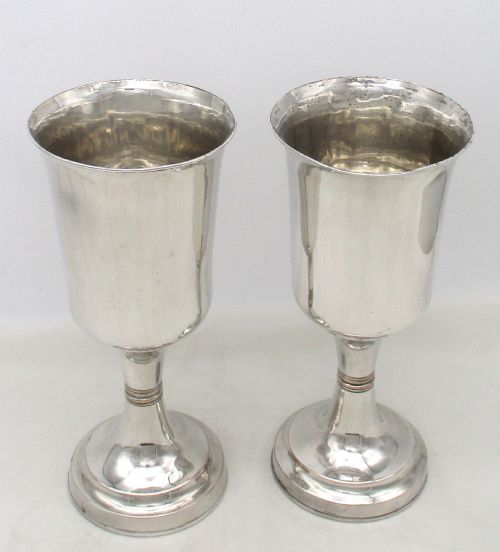
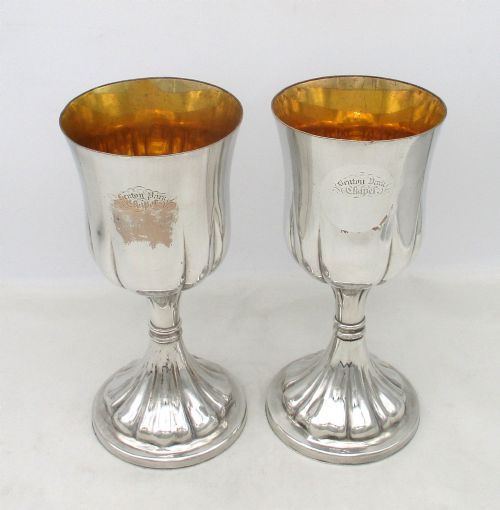
The version you are most likely to meet on this page is the church chalice or goblet from the decades around eighteen-forty, rendered in old sheffield plate. Such pieces often arrive in matched pairs, reflecting the liturgical requirements of their original ecclesiastical settings.
How they were made
The foundation of these vessels relies on copper, which provides rigidity and strength to the body before the application of a silver surface. Makers bonded a thin sheet of silver to a thicker copper ingot through heat and pressure, a technique specific to the old sheffield plate method.
Details such as gold wash or gilt interiors add a rich interior contrast to the exterior silver plate, while the exterior forms display styles ranging from restrained Georgian proportions to decorative Victorian and later Art Nouveau motifs.
Sheffield Plated Chalice Retail Price Guide 2026
Typical asking prices for sheffield plated chalice among the pieces listed under this phrase on Sellingantiques today, from the lower quarter to the upper quarter. They describe what is for sale here now, not the wider market.
Listings here span the eighteenth, nineteenth, and twentieth centuries, featuring materials such as copper, silver plate, and gold gilding.
What varies in quality
Quality rests upon the preservation of the fused metal plates, where the underlying copper remains well-hidden beneath the silver layer rather than showing through extensive wear. The crispness of the chased or engraved ornamentation also distinguishes finer workshop output from more utilitarian vessels.
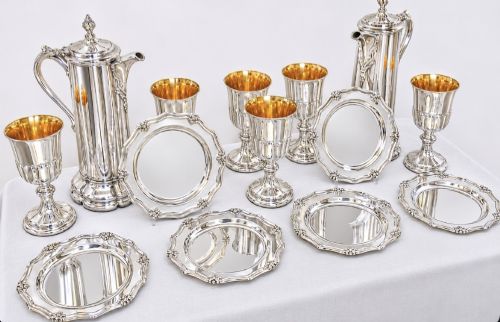
Proportion and weight dictate the presence of the piece, with larger chalices and matched pairs demonstrating superior balance and architectural integrity. Complete sets retained in original boxes represent a higher tier of historical survival.
Joseph Rodgers & Sons
The Sheffield Plated Chalice Glossary
- Old Sheffield Plate
- A material created by fusing a sheet of silver to a copper core, developed in the eighteenth century before electroplating replaced the process. This technique produces a characteristic edge where the copper base metal can sometimes be discerned.
- Chalices
- Deep-bowled ceremonial cups raised on a stem and foot, traditionally utilised for communion or formal toasts. Their forms vary from plain ecclesiastical vessels to ornate loving cups.
- Gold Wash
- A thin layer of gold applied to the interior bowl of a chalice or goblet, protecting the silver from tarnishing when in contact with wine. It provides a warm, contrasting glow to the interior.
- Loving Cup
- A large drinking vessel with two or more handles, designed to be passed among company during communal celebrations. These pieces share the same fused metal construction as the ecclesiastical chalices.
Sheffield Plated Chalice: Frequently Asked Questions
How do I care for old sheffield plate?
Care requires gentle cleaning with non-abrasive silver cloths to protect the thin outer layer of silver from wearing away to the copper beneath.
Avoid harsh chemical dips entirely, as these can strip the residual plating and damage the underlying historical surface.
Can I use these chalices for drinking?
Many of these vessels feature gold wash interiors specifically designed to safely contain liquids like sacramental wine without reacting to the silver.
Consider whether the historical nature and age of the piece make daily use appropriate, or if it is better suited for display.
How do I date a sheffield plated chalice?
Dating relies on stylistic shifts from the clean lines of the Georgian era through the heavier ornamentation of Victorian design up to Art Nouveau forms.
The manufacturing technique itself, utilising old sheffield plate rather than later nineteenth-century electroplating, points toward the earlier part of the period.