





Sheffield Plate Platter
A sheffield plate platter brings heavy Regency presence to the table, fused from copper and silver before electroplating took over.
Sheffield Plate Platter
A sheffield plate platter encompasses heavy serving trays, large meat domes, and warming dishes produced across the Georgian, Victorian, and Edwardian eras. Buyers searching for a sheffield plate platter encounter substantial serving items designed for formal dining rooms rather than simple kitchen use.
The pieces appearing on this page span tea trays, game covers, and sauce tureens alongside flat platters, largely originating from the nineteenth century. Most examples rely on the old fusion method where a thin layer of silver is bonded to a thick core of copper.
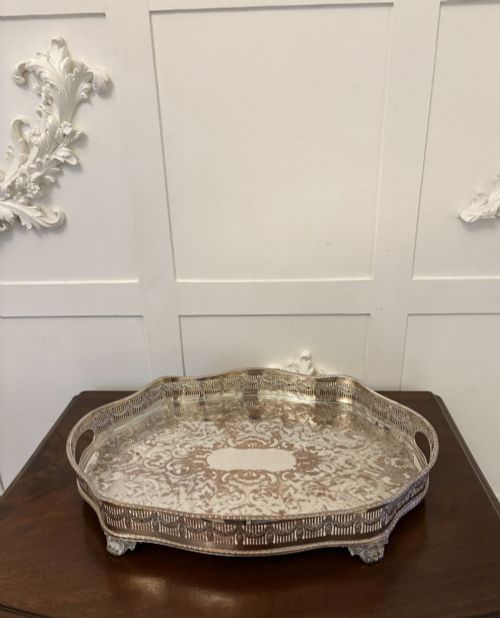
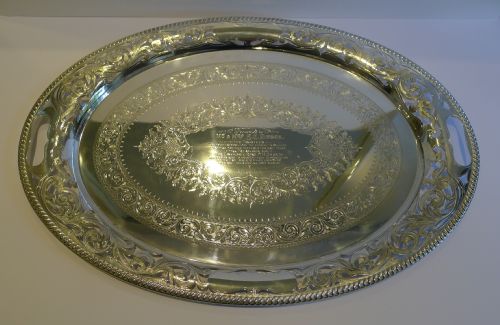
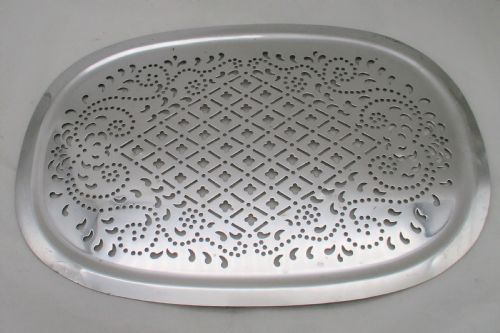
Mazarine draining plates and reticulated serving trays demonstrate the functional variety found within these older dining services. These items range from plain utilitarian meat trays to heavily engraved tea trays featuring Rococo Revival styling.
How they were made
Early items utilise old sheffield plate, created by heating a silver sheet and a copper ingot together until they fused, then rolling the composite metal into thin sheets. This fusion technique left the edges of the copper core visible on older wares, distinguishing them from later dipped goods.
Later pieces shift towards silver plate on copper or electroplated nickel silver, known as EPNS, which transformed manufacturing methods during the Victorian period. Smiths shaped these combined metals by hand or used presses, adding cast handles, borders, and feet soldered to the main body.
Sheffield Plate Platter Retail Price Guide 2026
Typical asking prices for sheffield plate platter among the pieces listed under this phrase on Sellingantiques today, from the lower quarter to the upper quarter. They describe what is for sale here now, not the wider market.
Object types range widely across this page, including meat domes, tea trays, warming dishes, and game covers.
What varies in quality
The thickness of the original silver layer determines longevity, as finer pieces retain heavy silver over the copper base without excessive wear through to the dark metal underneath. Heavier gauge copper plate provides structural rigidity, preventing large serving trays and meat domes from flexing under weight.
Hand-chased engraving and crisp cast silver mounts separate workshop pieces from standard factory output. Superior examples display sharp detailing in reticulated borders and well-balanced handles that remain securely attached to the body.
Roberts Cadman·Henry Wilkinson·Matthew Boulton·Padley Parkin·Walker Knowles·J Dixon and Sons·Frank Cobb and Co·Cresswick·Lee and Wigfull·Mappin and Webb
The Sheffield Plate Platter Glossary
- Old Sheffield Plate
- A material made by fusing a sheet of silver to a copper ingot and rolling them together. This process predates electroplating and creates a distinctive two-layer metal.
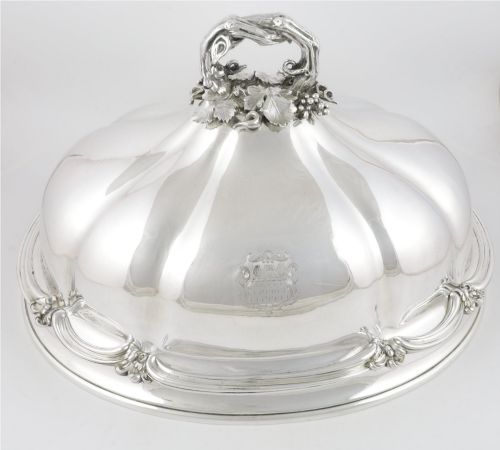
- Meat Dome
- A large domed cover used to keep joints of meat warm on a platter. These pieces often feature cast handles and substantial proportions.
- Mazarine
- A pierced draining plate placed inside a serving dish to keep food above accumulated juices. They appear in older silver and plated dining services.
- Reticulated
- Decorated with an openwork pattern of pierced metal. This style frequently appears on the borders of Victorian serving trays.
- Electroplated Nickel Silver
- A base metal alloy of copper, nickel, and zinc coated with a layer of pure silver using an electrical current. This method replaced older fusion plating techniques.
Sheffield Plate Platter: Frequently Asked Questions
How do I clean a sheffield plate platter?
Use a soft cloth and a gentle silver cream formulated for plated items, avoiding harsh abrasive dips that strip the remaining silver layer.
Work carefully around engraved lines and cast borders to prevent damage to the underlying copper core.
How can I tell old sheffield plate from electroplate?
Inspect the edges and undersides of the piece for tiny lines where the dark copper core shows through the silver layer.
Electroplated items usually display an even silver coating across every surface without the distinct sandwich effect of fused metal.
What was a meat dome used for?
Meat domes covered large joints of meat on the dining table to retain heat between the kitchen and the dining room.
Servants lifted the heavy cover when carving began, keeping the roast warm for guests.
Are these platters safe for serving food?
Most pieces serve well for dry foods, bread, or cold displays, provided the plating remains intact over the copper base.
Items with extensive wear revealing the base metal are best reserved for display rather than active dining use.