


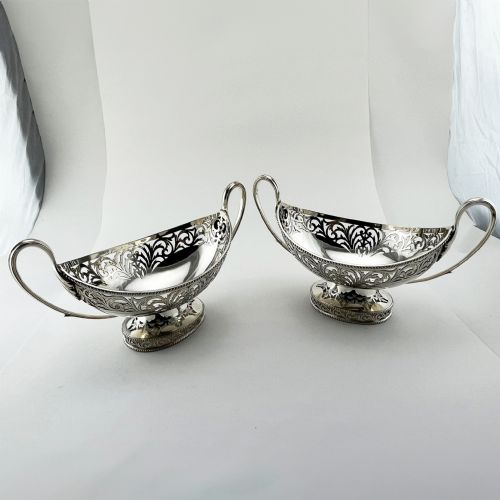


Sheffield Plate Centerpiece
A sheffield plate centerpiece brings substantial presence to a dining table through fused layers of silver and copper.
Sheffield Plate Centerpiece
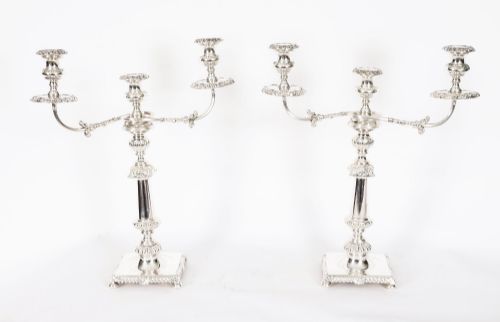
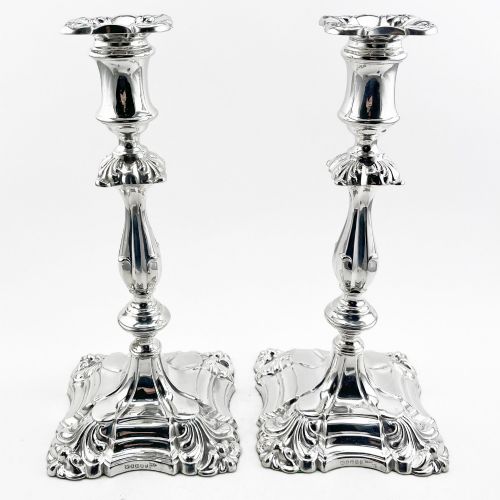
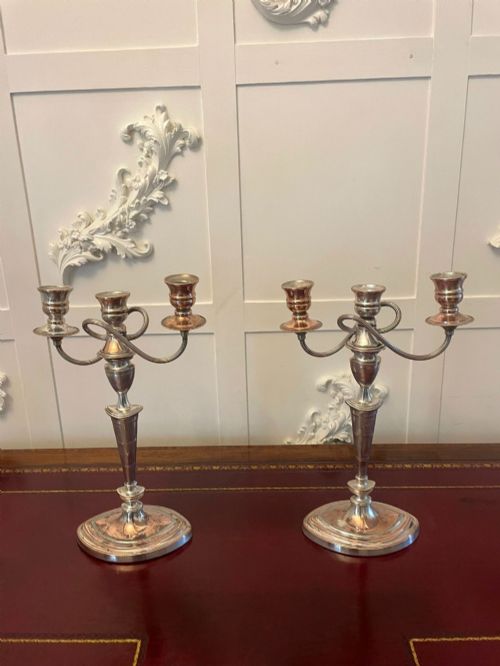
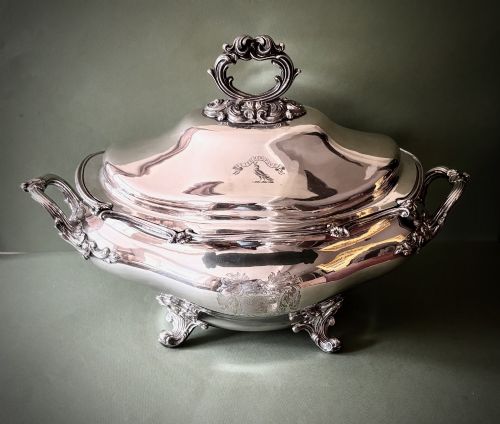
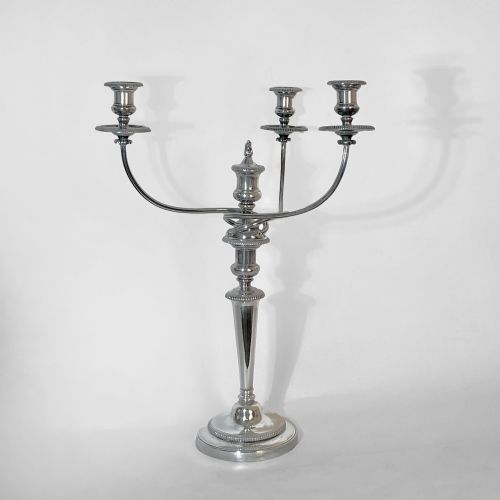
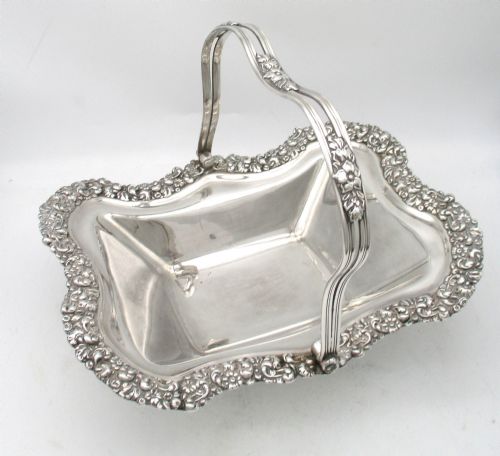
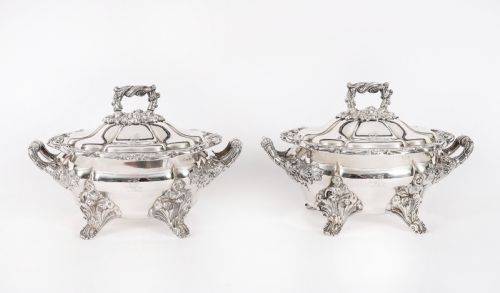
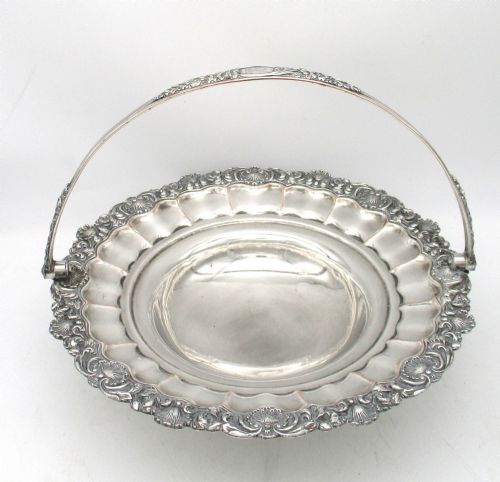
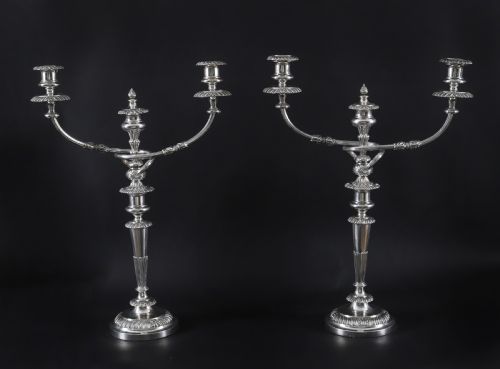
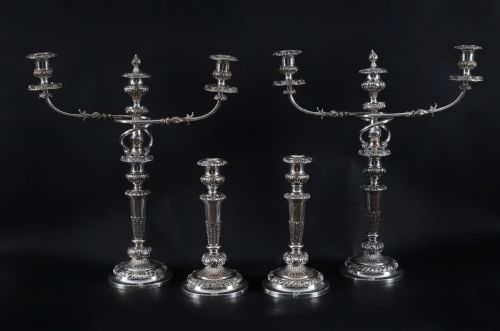
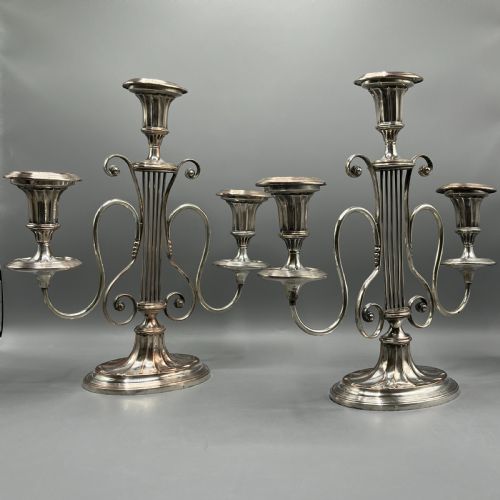
A sheffield plate centerpiece encompasses grand candelabra, multi-piece suites, tureens, wine coolers, and decorative baskets designed for formal dining tables. These objects span periods from the eighteenth century through the Victorian era, reflecting changing domestic tastes in silver and tableware.
Candelabra and epergnes dominate the selection, often appearing in matched pairs or larger suites with branching arms. Tureens and wine coolers provide alternative focal points, constructed with heavy bases and handled profiles suited to grand presentation.
Materials and Construction
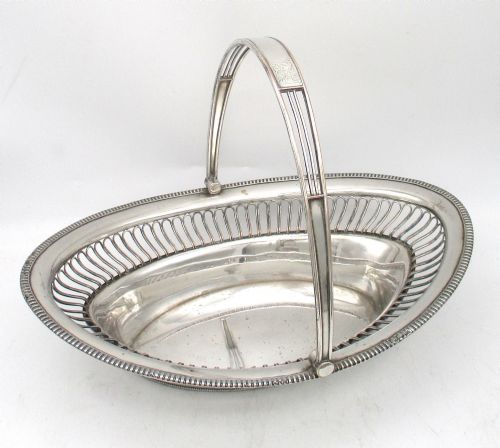
The objects combine a core of copper with a fused sheet of silver, a technique characteristic of early production methods before electroplating became common. Wirework construction also appears in open baskets, utilising silver wire and metal to create lightweight openwork patterns.
Later pieces incorporate standard silver plate and EPNS over metal bases, alongside cut glass inserts in epergnes and platters. Makers applied applied borders, reeded handles, and cast details to finish the heavy metal bodies.
Sheffield Plate Centerpiece Retail Price Guide 2026
Typical asking prices for sheffield plate centerpiece among the pieces listed under this phrase on Sellingantiques today, from the lower quarter to the upper quarter. They describe what is for sale here now, not the wider market.
Some wirework baskets are so delicate they resemble woven wicker rather than heavy metal.
Markers of Distinction
Quality separates objects by the crispness of cast mounts, the integration of soldered joints, and the preservation of the original silver layer over the copper base. Substantial weight and balanced proportions distinguish grand candelabra and wine coolers from simpler items.
Makers known for formal presentation, such as Matthew Boulton or Elkington, demonstrate superior hand-finishing in chased details and heraldic crests. The presence of matching multi-piece suites also elevates an assembly above individual items.
Matthew Boulton·Thomas Bradbury·Mappin and Webb·Joseph Rodgers and Sons·Elkington·Blagden Hodgson and Co
The Sheffield Plate Centerpiece Glossary
- Old Sheffield Plate
- A material made by fusing a thin sheet of silver to a copper ingot before rolling them into usable sheets. This process leaves characteristic edges where the copper layer shows.
- Candelabra
- A branched candlestick holding multiple lights on a central shaft. These items often form the centrepiece of a dining table arrangement.
- Wine Cooler
- A vessel designed to hold bottles and ice during meals, typically cast in a campana or urn shape with sturdy handles. They utilise heavy metal walls to maintain temperature.
- Epergne
- An ornamental centrepiece stand featuring multiple tiered dishes, baskets, or branches for fruit and flowers. Cut glass bowls frequently accompany these structures.
- EPNS
- Electroplated Nickel Silver, a later base material introduced in the nineteenth century. It replaced older fusion methods with an electrical deposition process.
Sheffield Plate Centerpiece: Frequently Asked Questions
What is old sheffield plate?
Old sheffield plate is a composite material formed by fusing silver to a copper core through heat and pressure. The combined metal is then rolled into sheets for silversmiths to shape.
This technique precedes electroplating and leaves subtle copper lines visible at exposed edges or wear points on older items.
How do I care for these pieces?
Maintenance requires gentle cleaning with non-abrasive silver polishes designed for plated items. Excessive rubbing can wear through the thin silver layer to the copper beneath.
Storing pieces in dry conditions prevents tarnishing and protects delicate wirework or glass components from accidental damage.
How can I date a candelabrum?
Dating relies on stylistic shifts from Georgian restraint to Victorian naturalism and heavy casting. Design motifs like reeded handles, campana curves, and wirework structures point to specific manufacturing decades.
Maker marks and registry stamps stamped into the metal provide further chronological markers for identification.
Were these used for dining?
These items served a functional and decorative role during formal dining rituals. Tureens held soup, wine coolers chilled bottles, and candelabra provided illumination.
Centrepieces anchored the table arrangement, displaying fruit, flowers, or sweetmeats during multi-course meals.