




Shaped Top Tea Table
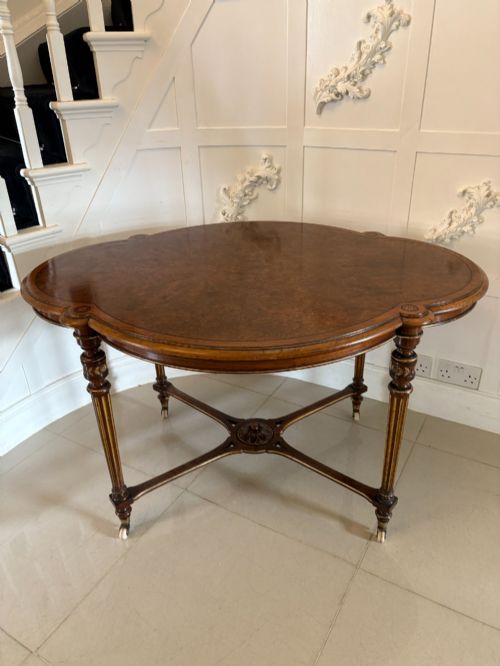
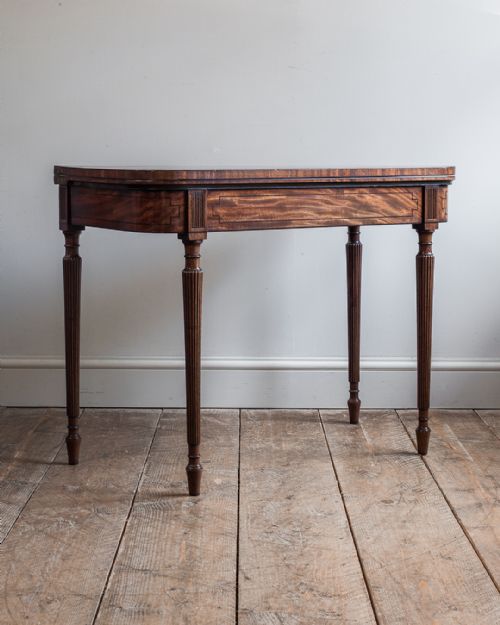
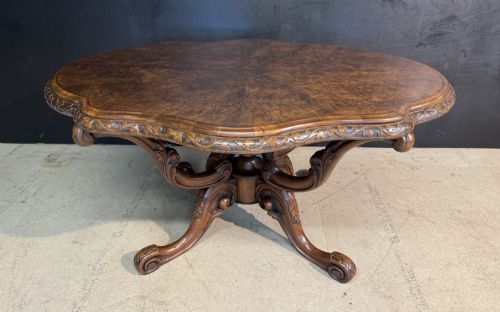
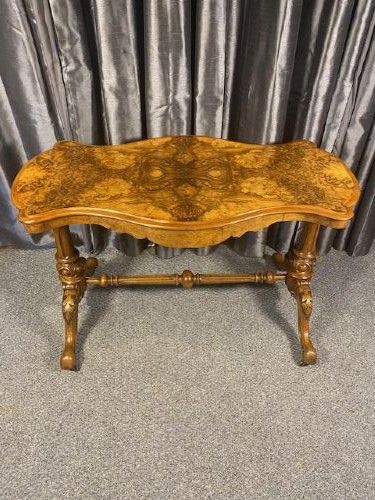
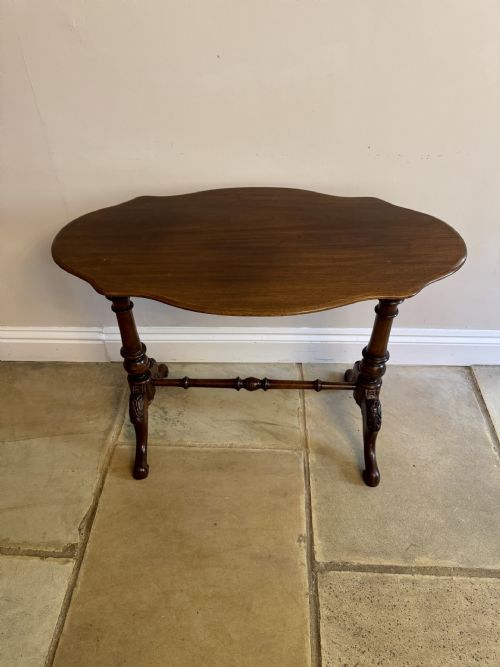
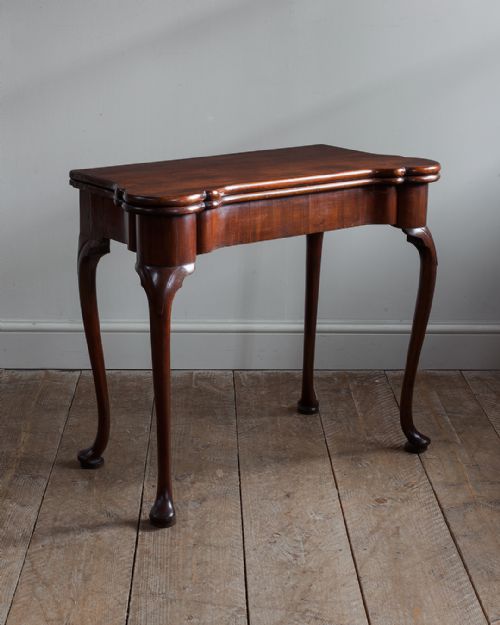
A shaped top tea table offers a distinct silhouette from the Georgian, Regency and Victorian periods, prized for its folded top and fluid outline.
Shaped Top Tea Table
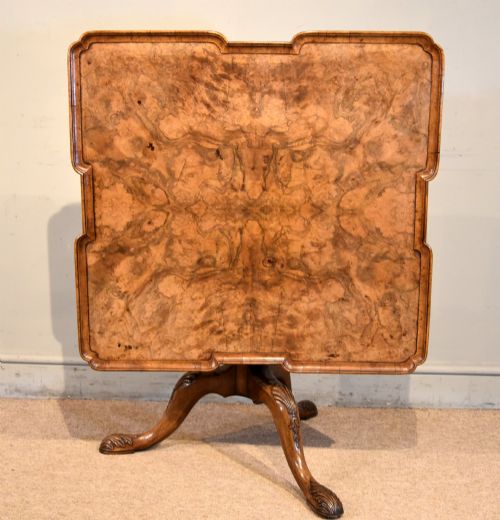
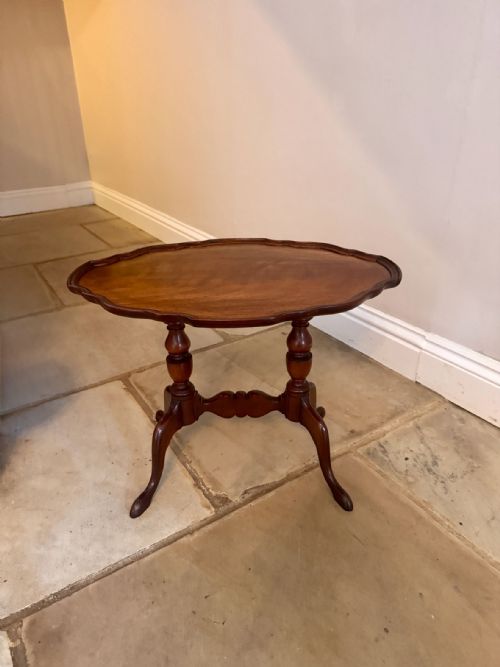
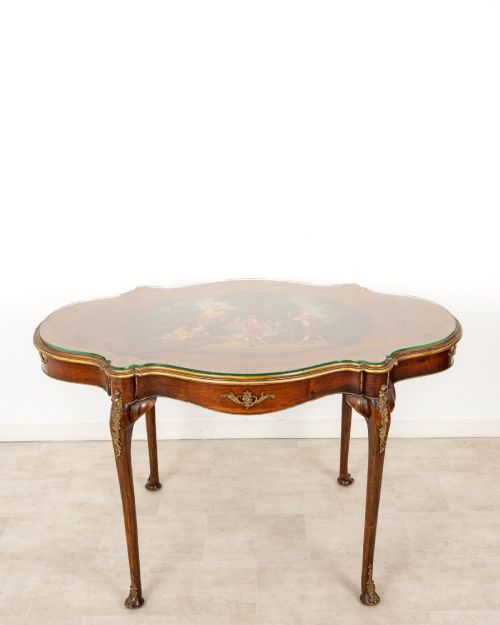
A shaped top tea table is a domestic surface designed with a folding top or a contoured edge, appearing in mahogany, walnut and rosewood across the eighteenth and nineteenth centuries.
The version most commonly met on this page is the Victorian walnut or mahogany piece, often featuring a fold-over mechanism or a serpentine outline.
These tables served primarily for social gatherings, expanding to hold tea service or shifting function to games and card play when closed.
How they were made
Cabinetmakers utilised dense timbers such as mahogany and burr walnut, frequently applying decorative veneers to the primary display surfaces.
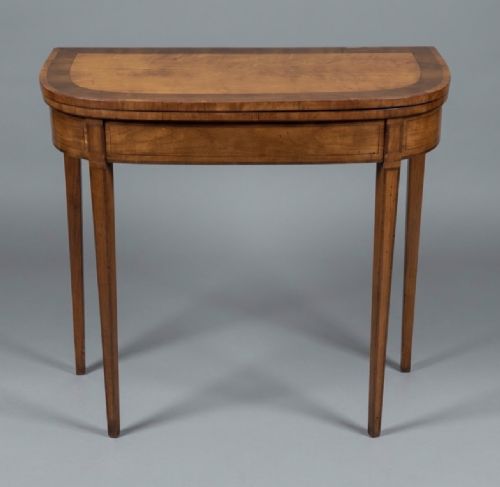
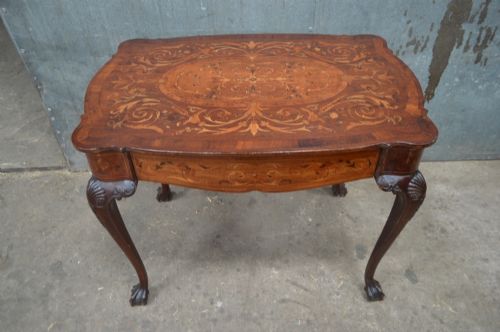
Inlaid marquetry, boxwood stringing and satinwood banding adorn the tops of Edwardian and Georgian examples, displaying skilled cutting and fitting.
Structural stability relied on turned columns, carved pedestals, and folding hinged leaves that required precise joinery to sit flush.
Shaped Top Tea Table Retail Price Guide 2026
Typical asking prices for shaped top tea table among the pieces listed under this phrase on Sellingantiques today, from the lower quarter to the upper quarter. They describe what is for sale here now, not the wider market.
Listings feature woods spanning mahogany, walnut, burr walnut, satinwood, rosewood, boxwood, brass, and hardwood.
What varies in quality
Quality rests in the selection of timber figures, where rich burr walnut or dense grain mahogany elevates the visual presence of the piece.
The crispness of carved mouldings and the precision of inlaid marquetry distinguish standard production from superior workshops.
Integrity of the folding mechanism and the seamless alignment of the shaped top when closed indicate the original maker's skill.
William Trotter of Edinburgh
The Shaped Top Tea Table Glossary
- Serpentine
- A curved outline that undulates with a convex centre flanked by concave curves. This contour appears frequently on the edges of tea table tops.
- Marquetry
- Decorative veneer work forming pictorial or geometric patterns using various coloured woods. It decorates the surfaces of eighteenth-century and later tables.
- Fold over
- A hinged top design that doubles the surface area when opened. This construction is standard on tea and card tables.
- Demi lune
- A half-moon shape characteristic of tables designed to sit flush against a wall. These forms often feature shaped tops and inlaid borders.
- Boxwood
- A pale, dense wood utilised for stringing and fine inlay lines. It provides strong visual contrast against darker timbers like mahogany and walnut.
Shaped Top Tea Table: Frequently Asked Questions
How do I use a shaped top tea table today?
These tables function well as console surfaces or occasional display points in a hallway or living space when the top remains closed.
Opening the leaf reveals a wider surface suitable for occasional use or entertaining, returning the furniture to its original purpose.
What is the difference between a tea table and a card table?
Tea tables generally provided a surface for serving tea and social discourse, whilst card tables often featured baize-lined interiors for games.
Both forms frequently utilised shaped folding tops, making their external appearance very similar when closed.
How do I date a mahogany tea table?
Georgian and Regency examples display characteristic timber density, hand-cut joinery, and specific leg forms such as tapered or reeded supports.
Victorian pieces often incorporate heavier mahogany or burr walnut veneers alongside machine-assisted construction methods.
Can I place hot items on a walnut tea table?
Antique polished wood surfaces react poorly to direct heat and moisture, which can mark or cloud the French polish finish.
Utilising coasters and protective mats preserves the timber veneer and the original lustre of the polish.