

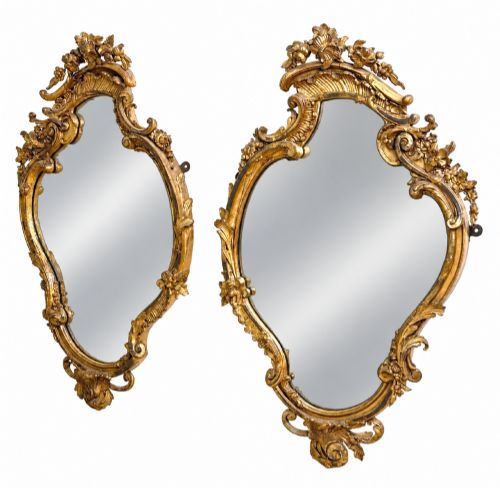

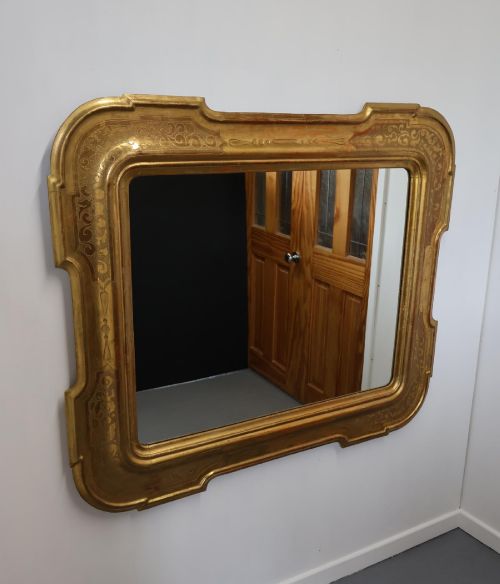
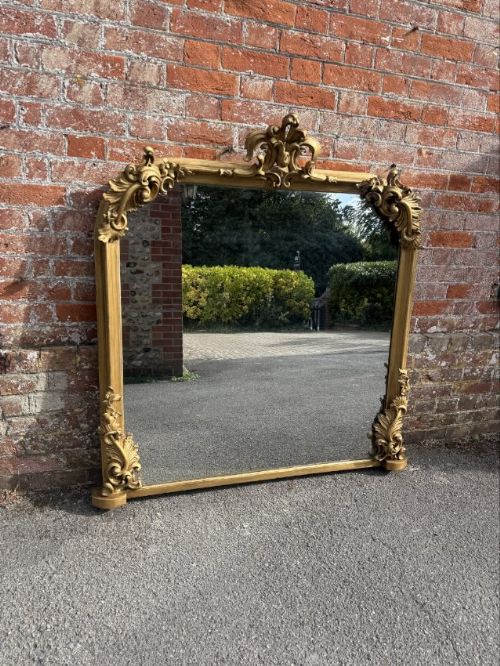
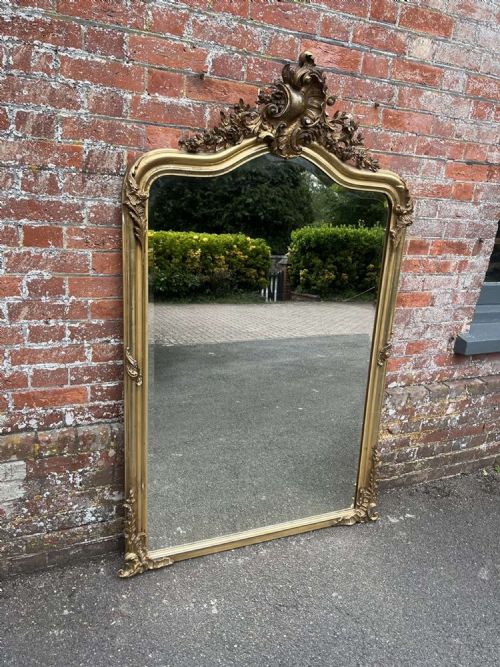


Shaped Gilt Mirror
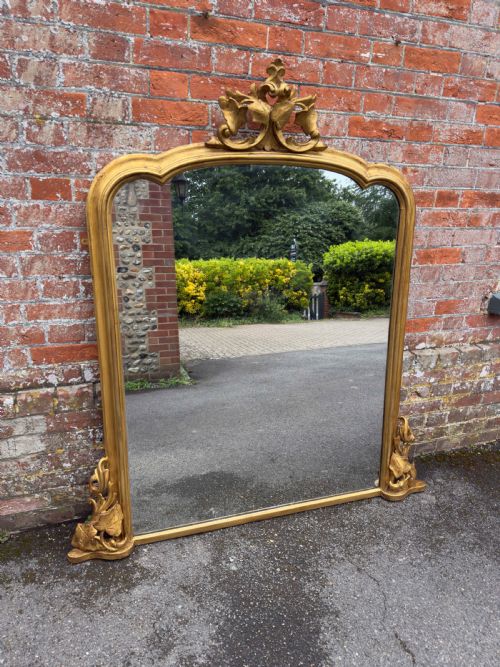
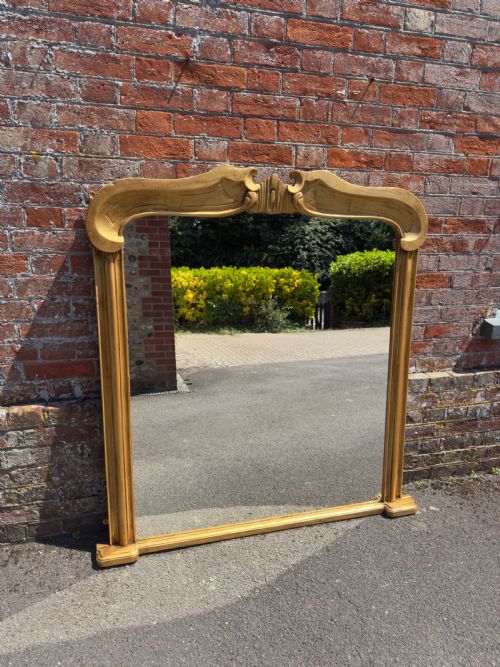
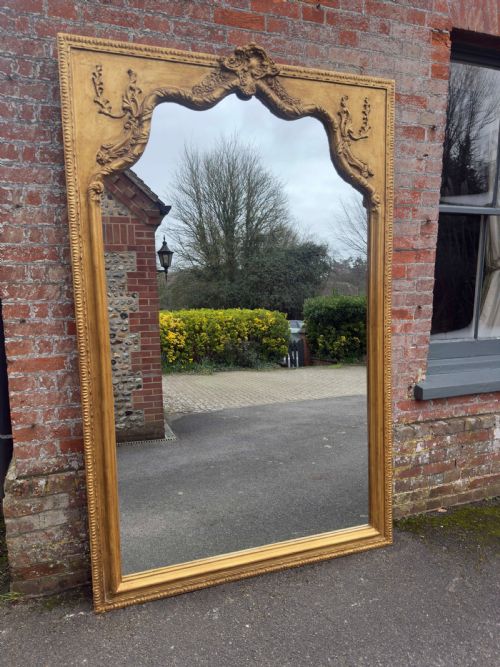
When choosing a shaped gilt mirror, you invite centuries of reflective elegance and intricate craftsmanship into your interior space.
Shaped Gilt Mirror
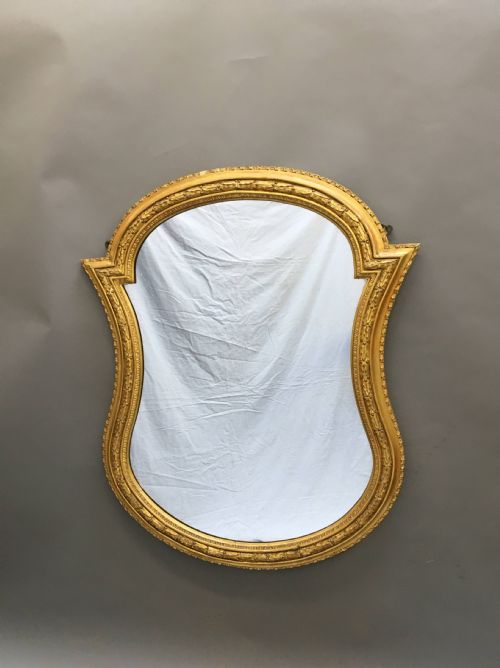
A shaped gilt mirror serves as a striking focal point in domestic interiors, combining reflective glass with ornamental gilded frames. Buyers seeking these pieces will encounter a wide array of wall-hanging formats designed to catch and amplify natural light.
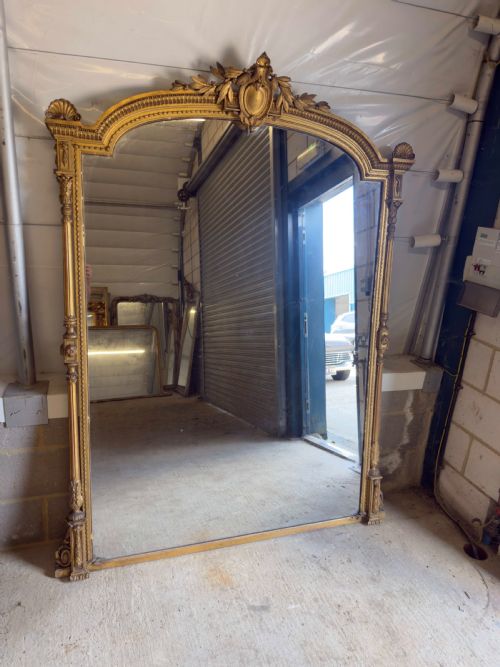
The selection heavily reflects nineteenth-century production, particularly English and French overmantel mirrors and pier mirrors. These items frequently display serpentine or arched top contours alongside generous proportions suited for placement above a fireplace or console table.
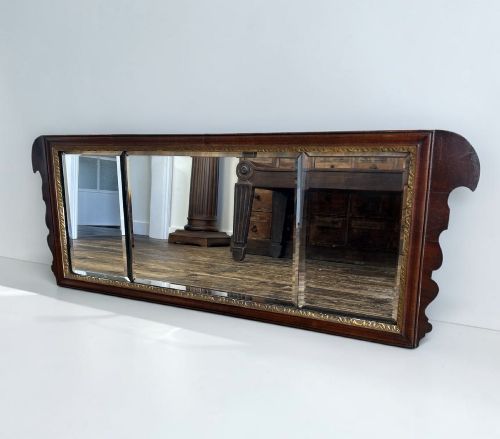
Surviving examples span from Georgian walnut configurations to elaborate Victorian and Edwardian revivals. Pieces range from grand architectural wall fixtures down to smaller decorative compartments featuring cartouche or scallop outlines.
How they were made
Traditional construction relies heavily on carved timber frames built from pine, walnut, or other foundational woods. Artisans applied thin layers of gesso directly onto the wooden substrate to build up relief details and smooth out the surface before gilding.
Gold leaf or metallic paint was subsequently laid over the prepared gesso base to achieve a brilliant reflective metallic finish. Intricate surface ornamentation such as laurel leaves, ribbed columns, or beaded framing was hand-carved or moulded into the composition.
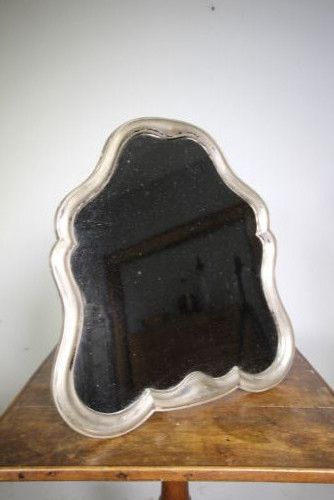
Mirror plates were traditionally secured within the rebate using wooden backing boards and secured with rudimentary fixings. Silvering methods on the glass itself often evolved from mercury-backed plates to later chemical processes, leaving distinct ageing characteristics.
Shaped Gilt Mirror Retail Price Guide 2026
Typical asking prices for shaped gilt mirror among the pieces listed under this phrase on Sellingantiques today, from the lower quarter to the upper quarter. They describe what is for sale here now, not the wider market.
Some nineteenth-century makers incorporated subtle hour-glass contours into their frames to give static timber an illusion of organic movement.
What varies in quality
The depth and definition of the carved wooden ornament dictate much of the visual merit in these objects. Superior items display crisp, hand-chiselled detailing across the gesso relief rather than soft or muddy mouldings.
The integrity of the original gilding surface remains a major factor in distinguishing better specimens from heavily restored ones. Retaining the original gold leaf or untouched mellowed metal finish commands greater appreciation among collectors.
Proportion and frame construction balance also determine execution standards. Robust joining at the mitres and well-balanced scrollwork or cresting indicate superior workshop production during the original manufacturing period.
The Shaped Gilt Mirror Glossary
- Gesso
- A plaster-like mixture applied to wood frames to create a smooth surface for gilding. This compound allowed craftsmen to carve intricate relief patterns before applying gold leaf.
- Giltwood
- Timber that has been coated with gold leaf or metallic powder. It forms the primary decorative structure for the frames seen in this category.
- Overmantel mirror
- A large horizontal looking glass traditionally hung above a fireplace mantelpiece. These pieces often feature shaped tops to fit architectural spaces.
- Pier mirror
- A tall, narrow looking glass designed to hang on the wall space between windows. They frequently match lower console tables or architectural piers.
- Cartouche
- An ornamental frame or tablet resembling a scroll or rolled-up piece of parchment. This motif often dictates the unusual curving shape of the mirror glass.
- Parcel gilt
- Partially gilded woodwork where specific decorative elements are highlighted in gold against a contrasting wood grain such as walnut.
Shaped Gilt Mirror: Frequently Asked Questions
Where should I hang an overmantel mirror?
These large mirrors are traditionally mounted directly above a fireplace mantel to anchor the room and reflect light downwards into the living space.
They also function effectively above large sideboards or low chests of drawers in dining rooms and hallways.
How do I clean a antique gilt frame?
Dust the carved gesso and gold leaf surfaces gently with a very soft, dry brush to prevent accumulation. Avoid using liquid cleaners or abrasive cloths that can damage the delicate historic finish.
Glass panels can be wiped cautiously with a lightly dampened cloth while ensuring moisture does not seep into the wooden frame joints.
What is the difference between an overmantel and a pier mirror?
Overmantel mirrors are generally wide and horizontal to span the width of a fireplace breast. They were historically engineered to command the primary hearth wall of a reception room.
Pier mirrors are typically taller and narrower, specifically designed to fit the restricted wall space situated directly between two windows.
How can I tell if the gilding is original?
Original gilt surfaces usually exhibit micro-craquelure, gentle fading, and small areas of wear where the underlying red bole or white gesso shows through. Modern restorations often appear uniformly bright and lack the subtle patina accumulated over generations of exposure.
Examining the frame under magnification can reveal historic layers of preparation beneath the topmost metallic coating.