



Sevres Style Porcelain Table
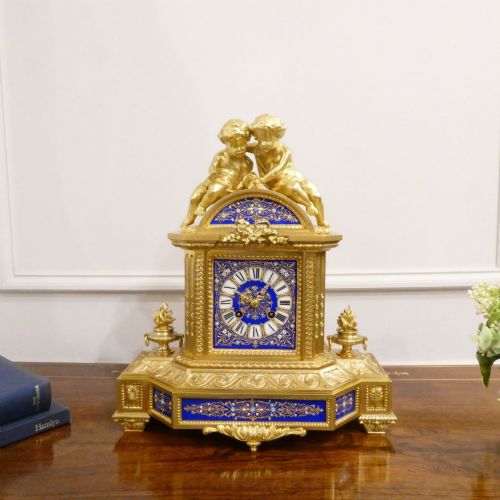
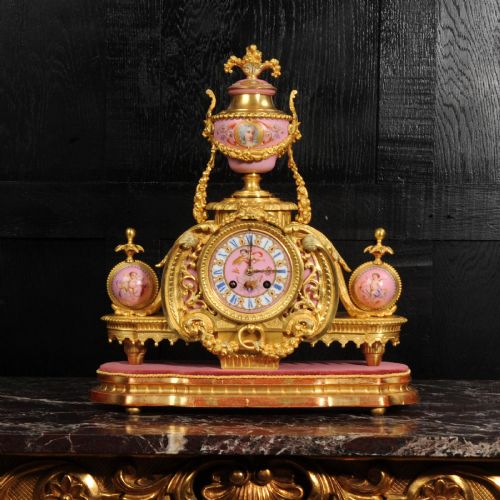
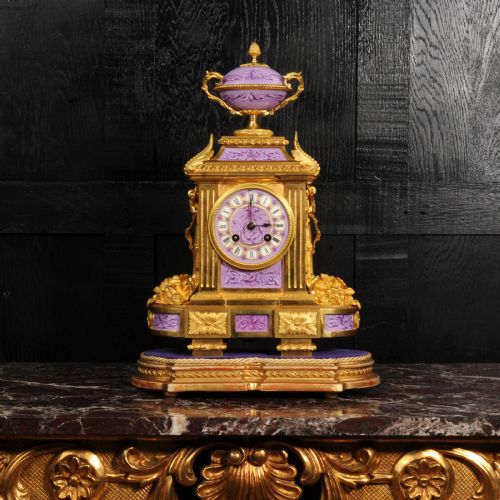
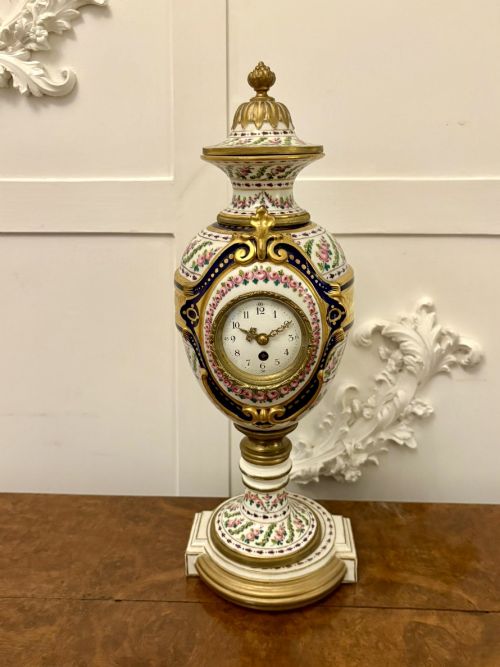
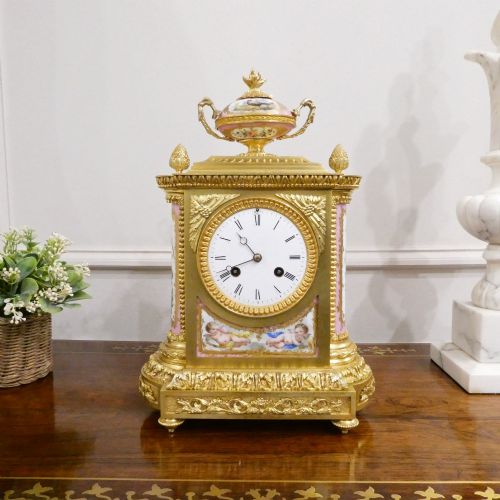
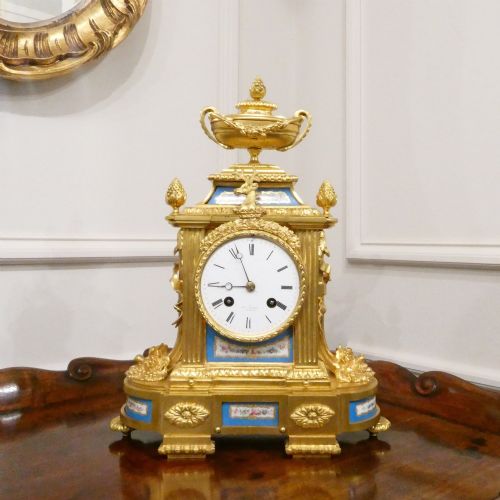
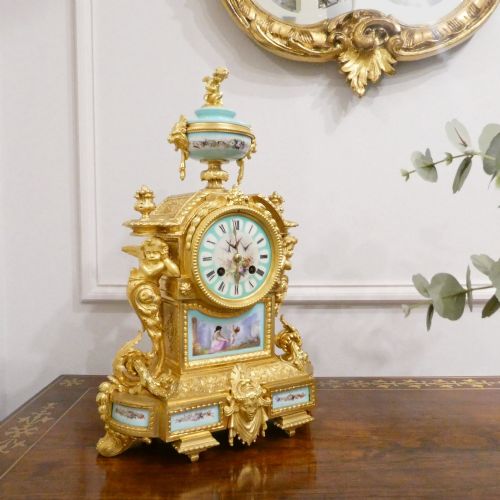
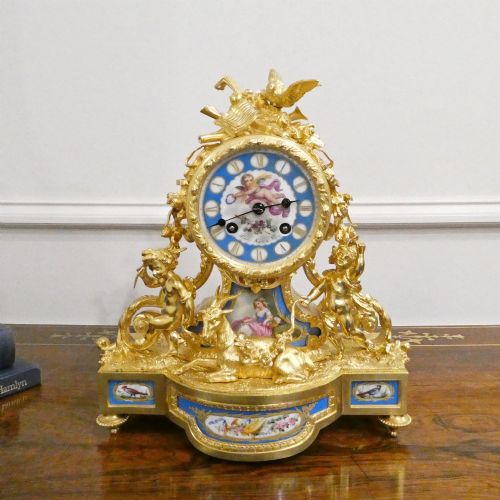
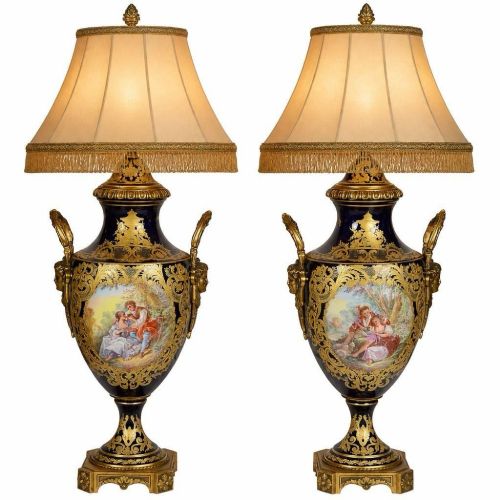
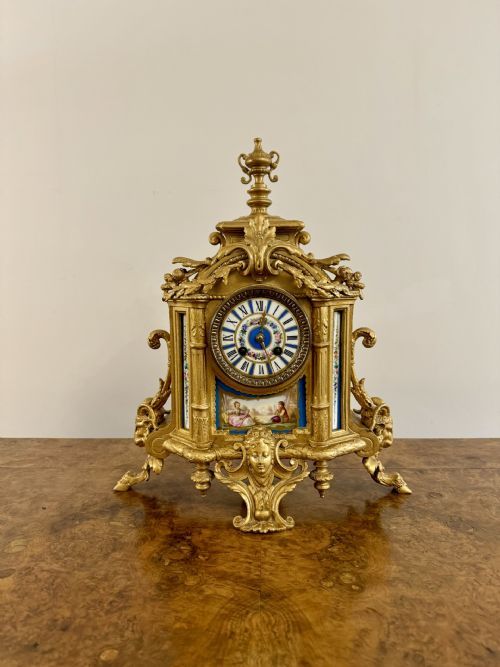
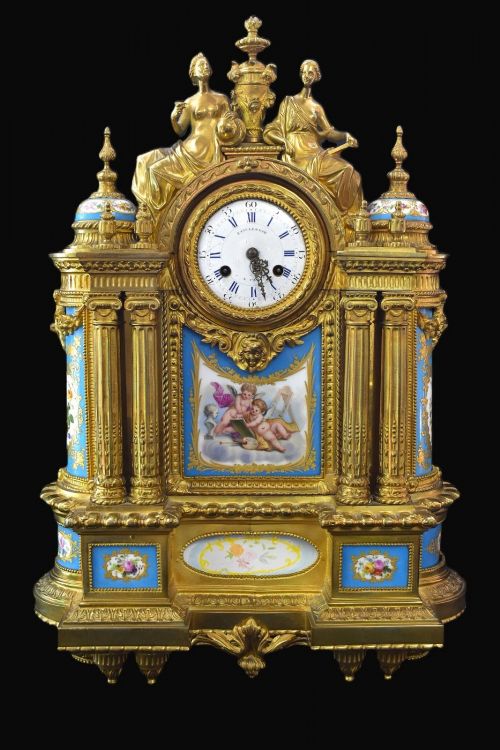
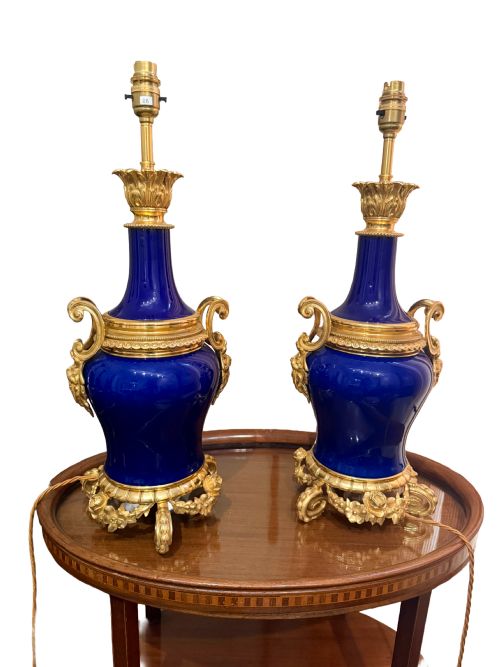
These sevres style porcelain table pieces bring ornate French nineteenth-century craftsmanship into domestic spaces through mounted clocks, desks, and lamps.
Sevres Style Porcelain Table
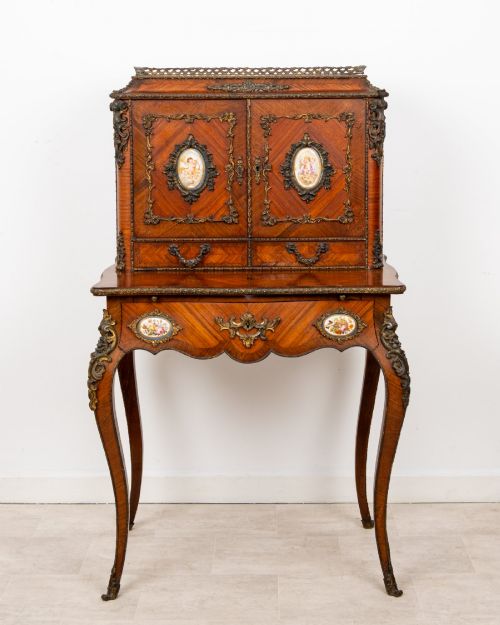
When buyers search for a sevres style porcelain table, they encounter decorative furnishings and mounted pieces rooted in French nineteenth-century revival styles. The selection frequently includes writing desks, occasional work tables, and centre tables adorned with porcelain plaques, alongside related mantel clocks and lamps.
Most items on this page date from the Victorian era and the mid-to-late nineteenth century, spanning periods from 1800 to 1890. These works draw heavily upon French Louis XV, Louis XVI, and Napoleon III aesthetic traditions.
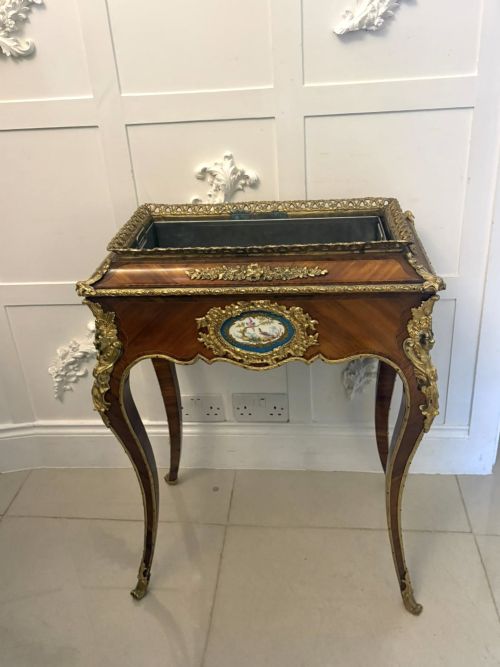
Forms range from kingwood writing desks and bonheur du jour writing desks to jardinieres and porcelain-mounted side tables. The integration of ceramic plaques into wooden furniture and bronze mounts defines the group.
How they were made
The construction of these items relies upon the combination of ceramics with timber frameworks and metal mounts. Artisans utilised porcelain panels, frequently hand-painted and set into surfaces of kingwood, walnut, and rosewood.
Gilt bronze, ormolu, and gilt metal provide structural mounts, frames, and decorative detailing around the porcelain plaques and clock cases. Enamel and glass elements also appear alongside the primary materials.
Sevres Style Porcelain Table Retail Price Guide 2026
Typical asking prices for sevres style porcelain table among the pieces listed under this phrase on Sellingantiques today, from the lower quarter to the upper quarter. They describe what is for sale here now, not the wider market.
Listings feature various forms including mantel clocks, table lamps, writing desks, and jardinieres.
What varies in quality
The standard of execution in these decorative objects rests upon the precision of the bronze casting and the finesse of the hand-painted porcelain. Finer examples display crisper chasing in the ormolu mounts and greater detail within the painted ceramic plaques.
The selection of cabinet timbers, such as figured kingwood or amboyna on writing desks and tables, dictates the baseline craftsmanship. Integration between the ceramic elements and the surrounding metalwork indicates the maker's skill.
Jean-Baptiste Delettrez·Achille Brocot·Henry Marc·Japy Freres·Etienne Lenoir·PH Mourey·Le Roy Et Fils
The Sevres Style Porcelain Table Glossary
- Ormolu
- Gilded bronze used for mounts and decorative accents on furniture and clock cases. This technique was prevalent in French decorative arts throughout the nineteenth century.
- Bonheur du jour
- A small light lady's writing desk featuring a tiered upper section with drawers or shelves. Examples from this selection incorporate porcelain plaques into the wooden structure.
- Jardiniere
- An ornamental receptacle designed for holding plants or flowers. These pieces are constructed from timbers like walnut and kingwood.
- Cartonnier
- A decorative cabinet or stand designed for holding papers, documents, or stationery. They often feature ormolu mounts in Louis styles.
- Revival
- An architectural and decorative style that draws inspiration from historical periods such as Louis XV and Louis XVI. Nineteenth-century French makers reinterpreted these earlier designs.
Sevres Style Porcelain Table: Frequently Asked Questions
What periods do these pieces date from?
The items visible here primarily originate from the nineteenth century, including Victorian productions and specific decades such as 1860, 1870, and 1880. Earlier eighteenth-century pieces also appear alongside works from 1800.
Stylistic influences draw heavily on French Second Empire and revival movements associated with Louis XV and Louis XVI.
How were porcelain plaques used on furniture?
Ceramic plaques were inset directly into the wooden surfaces of desks, tables, and clock housings. They served as decorative panels on writing desks and occasional tables.
These painted panels were frequently framed by gilt bronze or ormolu mounts to highlight their placement.
What woods are commonly found in these tables?
Cabinet makers utilised dense hardwoods such as kingwood, rosewood, walnut, and amboyna for desks and tables. These timbers provided a stable base for ormolu mounts and porcelain insets.
Figured grain patterns on these woods enhanced the decorative appearance of writing desks and work tables.
How do I identify French revival styles?
French revival pieces incorporate design elements from earlier monarchical periods, particularly Louis XV and Louis XVI aesthetics. Look for symmetrical or asymmetrical bronze mounts, curved lines, and classical motifs.
Nineteenth-century makers reinterpreted these historical motifs across clocks, lamps, and desks.