




Seventeenth Century Brass
Seventeenth century brass brings heavy metalwork and domestic fittings into rooms, offering tangible links to early domestic life through durable alloys.
Seventeenth Century Brass
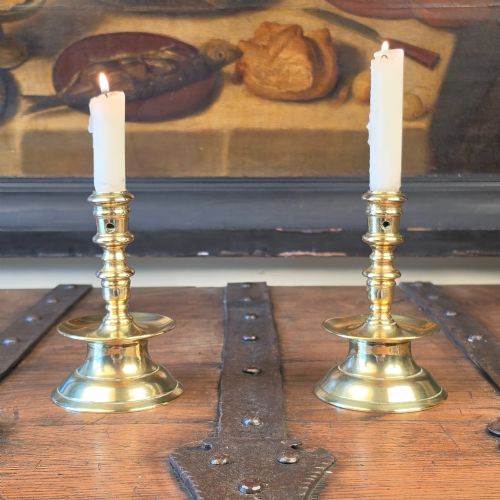
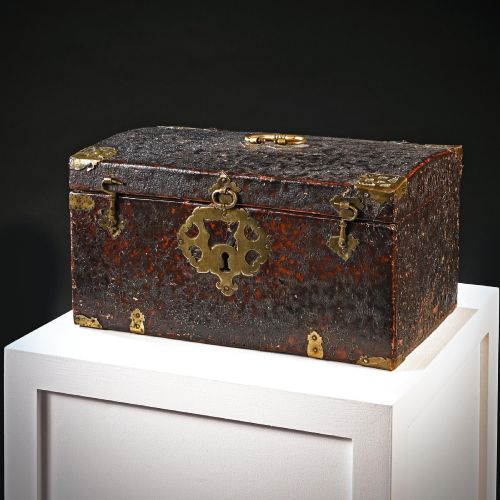
Seventeenth century brass encompasses functional items and decorative pieces produced during the 1600s, often appearing alongside related oak and walnut furniture. Candlesticks, chamber clocks, and mortar and pestle sets represent the primary forms encountered within this category.
Makers and horologists stamped their names onto timepiece dials while domestic hardware remained largely unbranded. Items range from utilitarian kitchen implements to complex spring-driven clocks made in London and regional workshops.
Materials and Construction
Foundry workers cast brass into moulds for items like candlesticks and mortar bowls, finishing surfaces with turning on lathes or hand-chasing details. Clock movements integrate brass wheels and plates with iron and steel components.
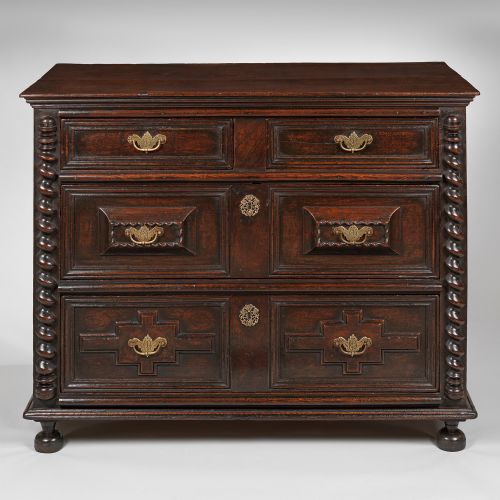
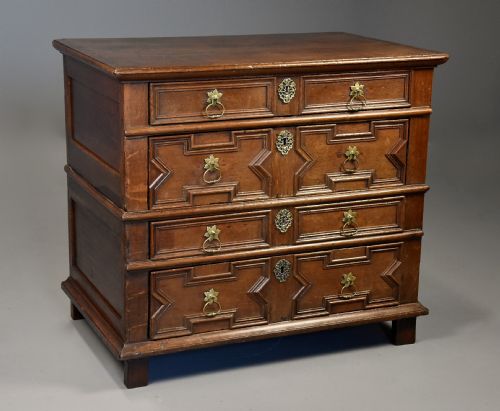
Timber cases for associated clocks and boxes utilise solid oak and walnut, frequently decorated with veneers, oyster laburnum, or geometric mouldings fixed with traditional adhesives and pins.
Seventeenth Century Brass Retail Price Guide 2026
Typical asking prices for seventeenth century brass among the pieces listed under this phrase on Sellingantiques today, from the lower quarter to the upper quarter. They describe what is for sale here now, not the wider market.
Listings combine seventeenth century brass objects with oak and walnut furniture, alongside nineteenth-century revival candlesticks.
Evaluating Quality and Execution
Quality differentiates by the crispness of cast details on brass components and the complexity of engraved ornamentation on clock dials. Untouched surface patination and retention of original components separate superior examples from heavily restored pieces.
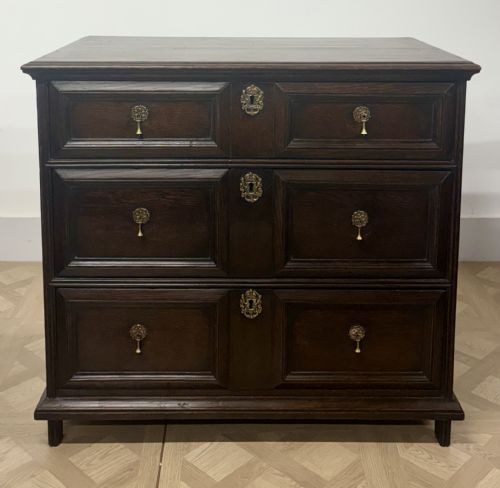
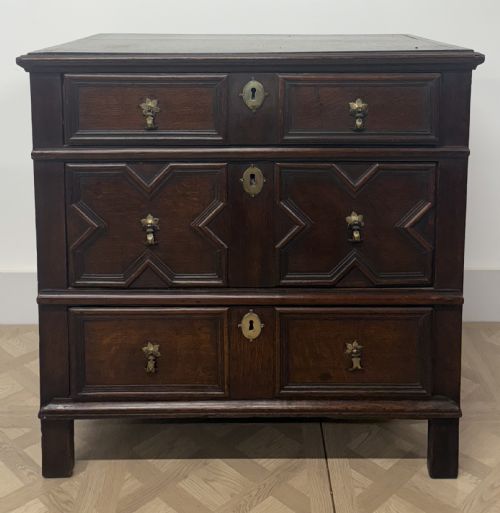
Cabinetry standards depend on timber selection, such as figured walnut or quarter-sawn oak, coupled with precise joinery in geometric drawer fronts and carcass construction.
Thomas Langley·John Spershott·Samuel Tinham·Peter Closon·Joseph Windmills·Edward East·Joseph Knibb·William Clement·William Noke·Henry Massy·Richard Baker
The Seventeenth Century Brass Glossary
- Lantern clock
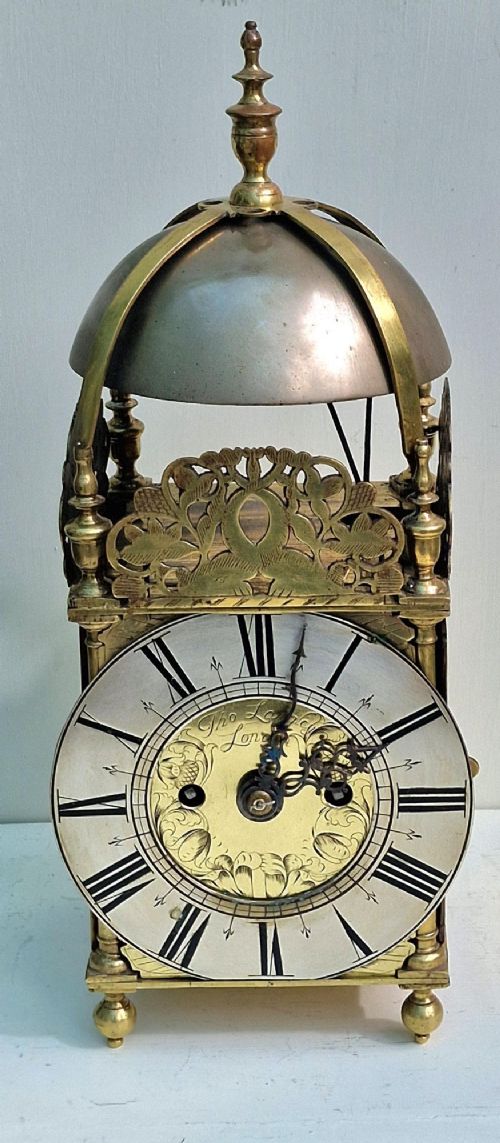
- A weight-driven domestic clock made entirely of brass, featuring an open bell top and decorated frets.
- Pricket candlestick
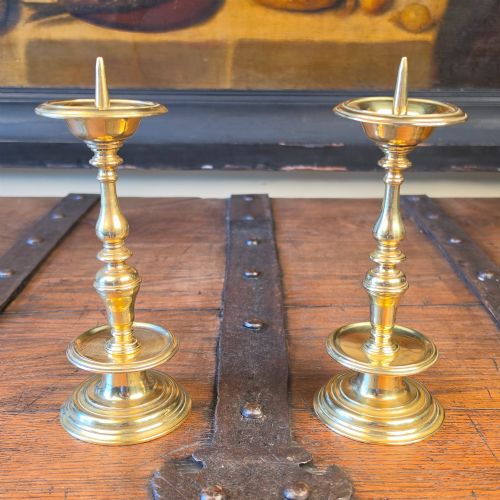
- A candle holder with a sharp central spike designed to impale the base of a wax candle rather than sit inside a socket.
- Mortar and pestle
- A heavy cast brass or bronze bowl paired with a matching rod, used in kitchens and apothecary shops for grinding substances.
- Geometric mouldings
- Raised wooden mouldings applied to drawer fronts in repeating geometric patterns, typical of the period's cabinetwork.
- Oyster veneer
- Thin circular slices cut horizontally from small branches of laburnum or walnut, arranged to create intricate repeating patterns on furniture surfaces.
Seventeenth Century Brass: Frequently Asked Questions
How do I identify a genuine seventeenth century brass clock?
Examine the dial engraving and movement construction for hand-finished marks typical of seventeenth-century workshops. Signature placement and metal composition also help confirm authenticity against later revival pieces.
Compare the brass thickness and casting flaws with known examples from the period to ensure correct age and origin.
Were these brass objects used in everyday homes?
Items like candlesticks and mortar sets served practical daily functions in seventeenth-century kitchens and chambers. Wealthier households utilised brass timepieces to regulate domestic routines.
Over time, utility items transitioned into decorative display pieces as newer manufacturing technologies replaced them.
How should I clean antique brass surfaces?
Dust brass gently with a soft dry cloth to maintain the accumulated oxidation and dark patination valued by collectors. Avoid abrasive commercial polishes that strip away historical surface age.
Consult a professional restorer if verdigris or heavy corrosion requires chemical intervention.
What furniture accompanies seventeenth century brass items?
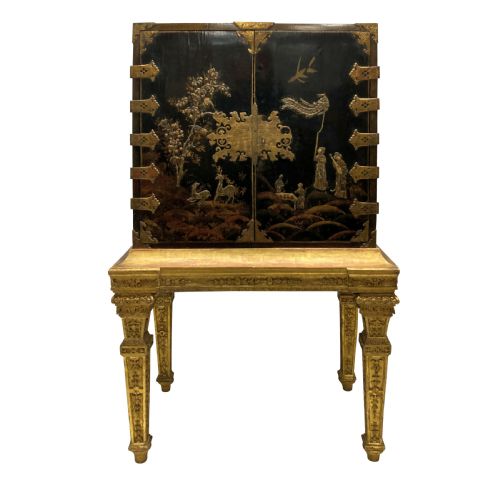
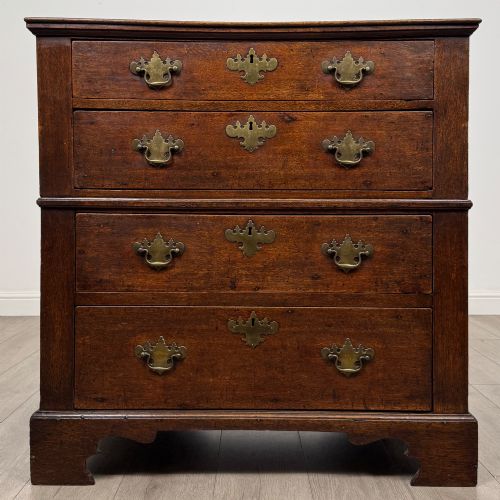
Solid oak chests of drawers, walnut cabinets on stands, and low dressers frequently house or display brass hardware and clocks. These timber pieces often feature period details like geometric mouldings and pegged joinery.
Matching the wood types helps create a cohesive historical interior display.