
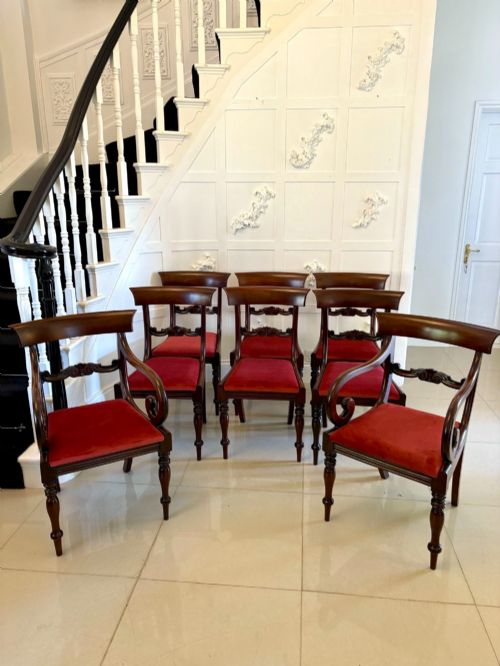
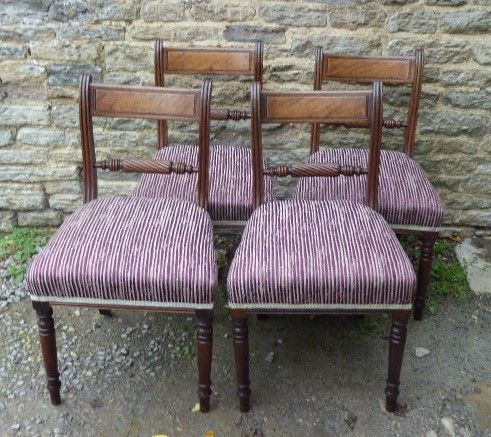
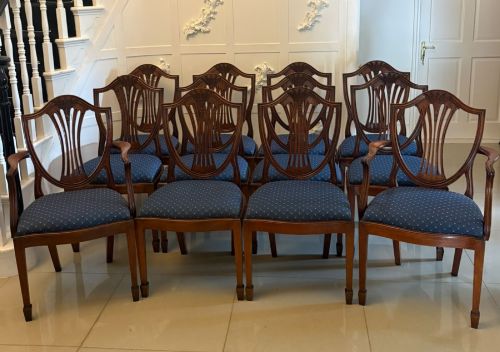
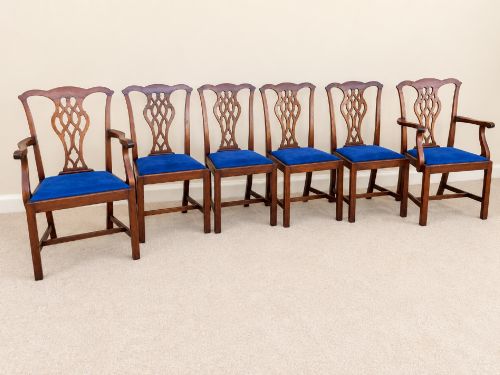
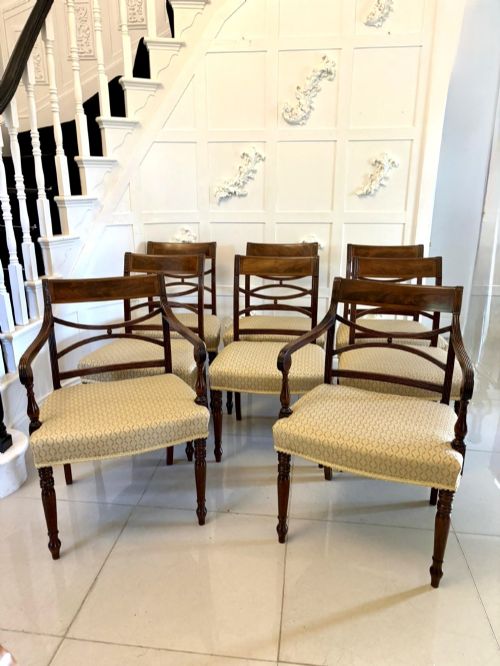
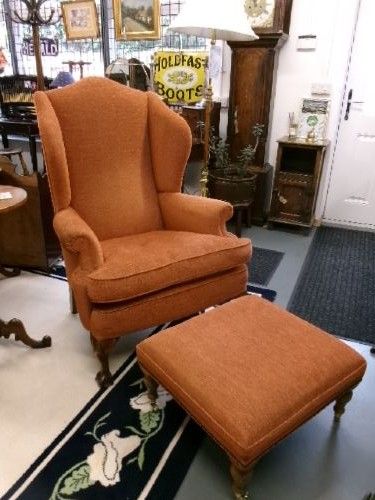
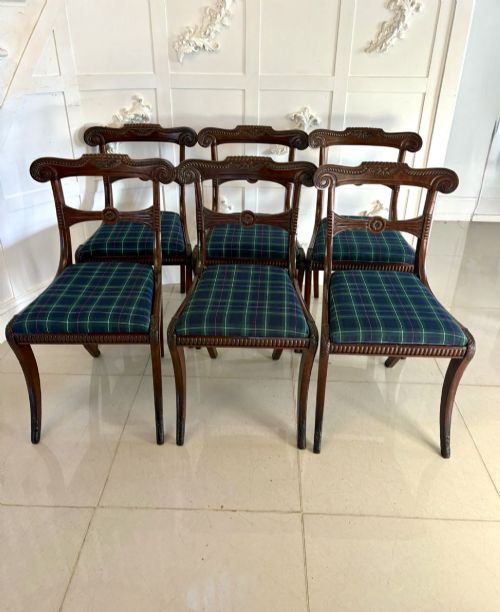
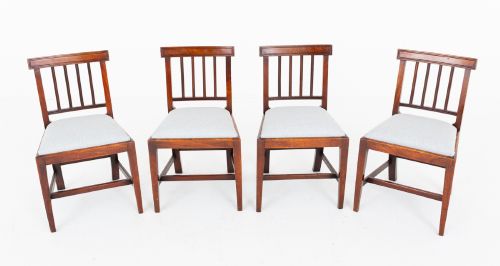
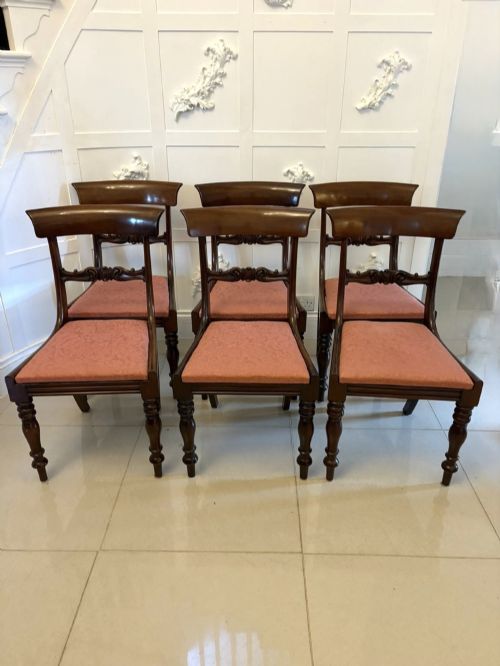
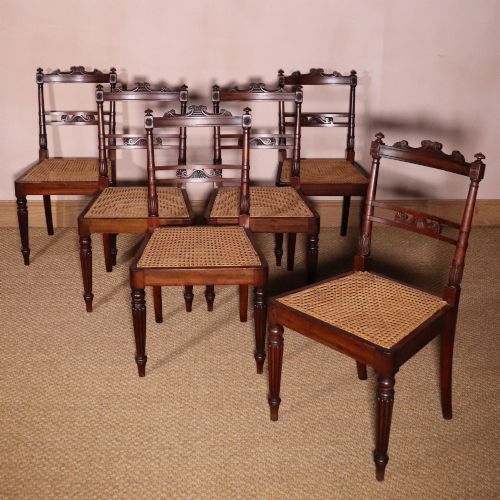
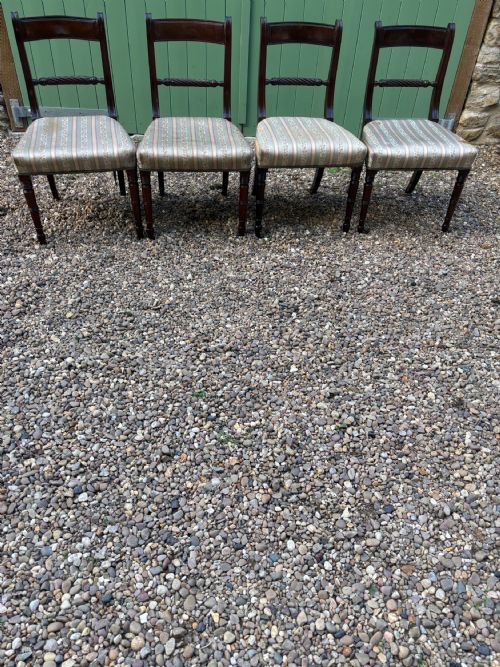
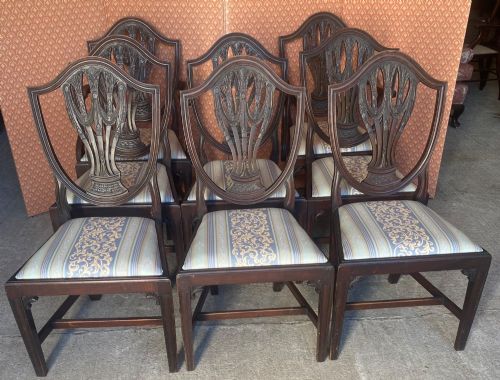
Set of Georgian Chairs
When you search for a set of georgian chairs, you seek matched or harmonised seating from the eighteenth and early nineteenth centuries to anchor a dining room.
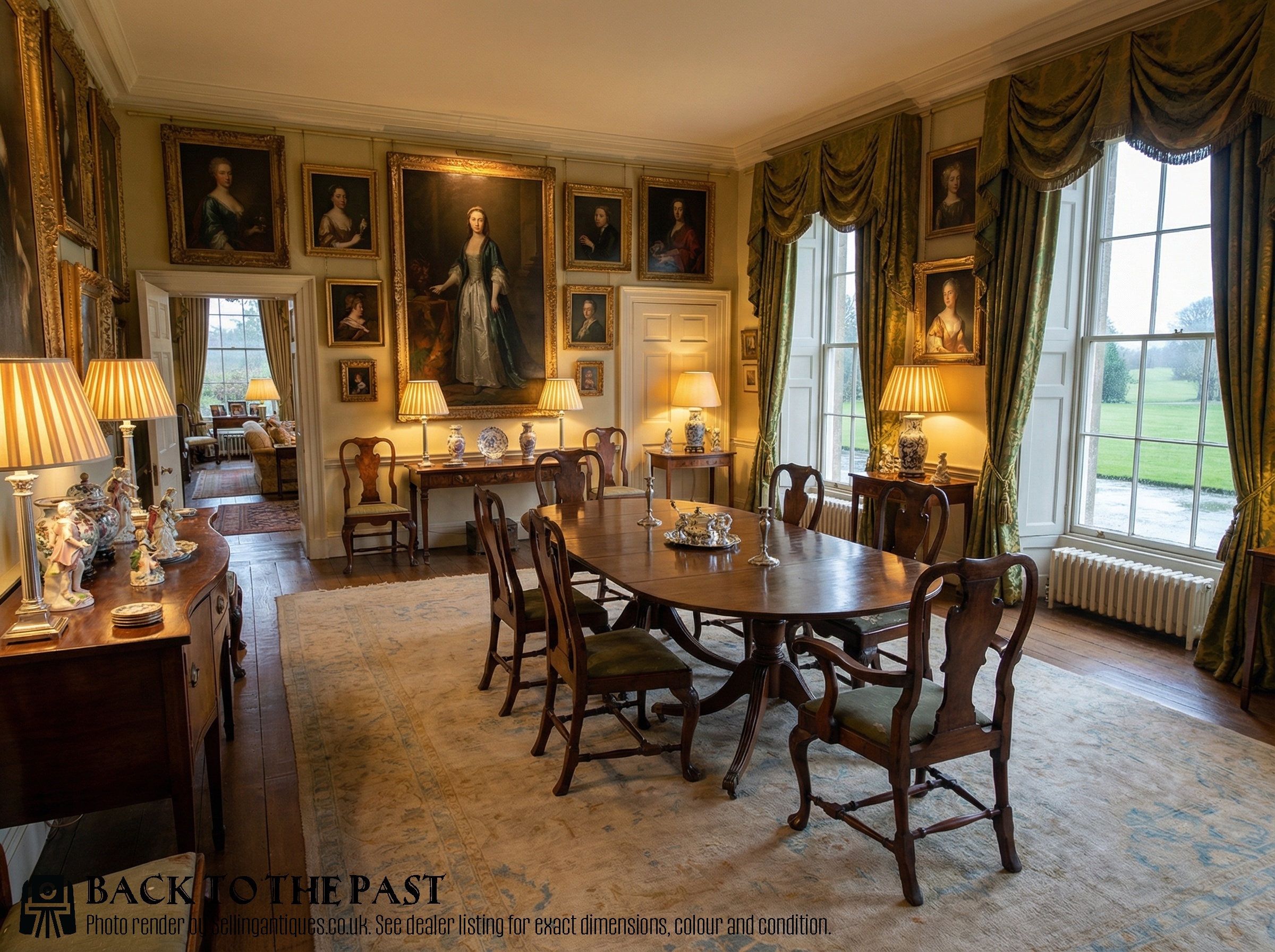
Set of Georgian Chairs
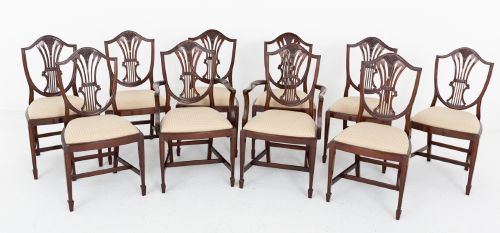
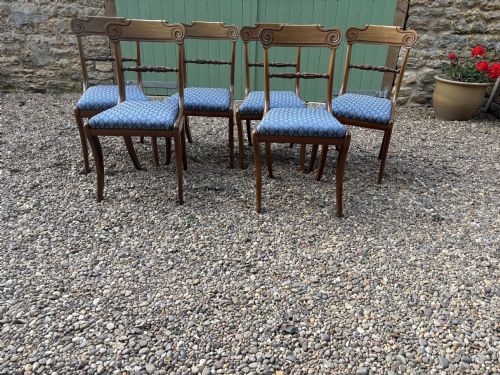
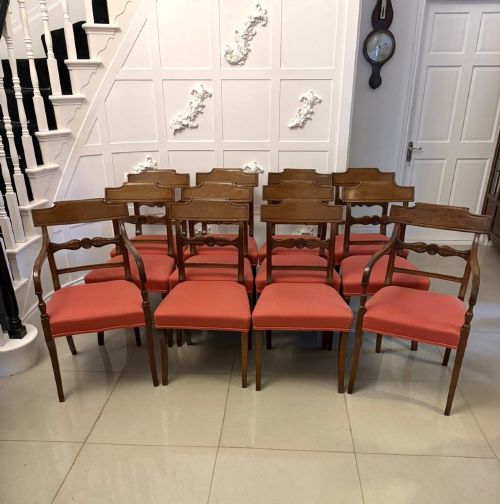
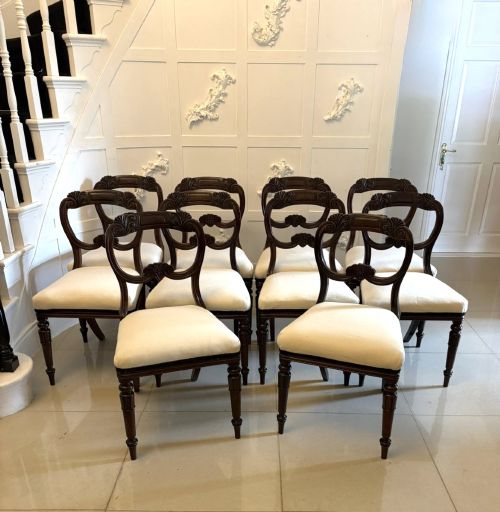
A set of georgian chairs typically comprises mahogany dining chairs created during the reigns of the Georges or the Regency period, often featuring side chairs alongside matching carver armchairs. The most common configurations found here range from sets of four up to twelve pieces, encompassing formal urban dining seats as well as regional country alternatives in elm, ash, and oak.
Beyond formal mahogany iterations shaped in the manner of Chippendale, Hepplewhite, or Sheraton, the record shows robust provincial ladder backs, spindle backs, and Windsor forms. Buyers encounter both period originals dating directly to the eighteenth and early nineteenth centuries and later revival interpretations produced around nineteen hundred and the nineteen twenties.
How They Were Made
Cabinetmakers constructed these frames predominantly from dense imported mahogany for formal urban suites, while country workshops utilised native timbers like oak, elm, and ash for provincial seating. Joinery relied on precise mortise and tenon joints, secured with pegging where appropriate, to withstand the rigours of daily dining use.
Upholstered drop-in seats and fixed squabs relied on traditional stuffing materials such as horsehair, secured over webbing or canvas and finished with woven textiles, leather, velvet, or printed upholstery fabrics.
Several sets include wheat sheaf backs, bringing an unexpected agricultural motif directly into the formal dining room.
What Varies in Quality
The degree of carving crispness and the selection of timber figure dictate much of the distinction between standard provincial pieces and exhibition standard urban commissions. Superior sets retain matching grain patterns across the primary rails and splats, showing minimal replacement timber or structural alteration over time.
Rigidity in the frame construction and the preservation of original seat frames without excessive dowelling or reinforcement separate well-surviving sets from those subjected to heavy structural repairs.
Gillows·Waring and Gillow
The Set of Georgian Chairs Glossary
- Carver
- An armchair designed with elbow supports, traditionally placed at the head of a dining table and matching the surrounding single chairs.
- Splat
- The vertical wooden strip positioned in the centre of a chair back, frequently pierced or carved in distinct stylistic patterns.
- Shield Back
- A chair back contouring outward like a shield, popularised by designers such as Hepplewhite during the late eighteenth century.
- Bar Back
- A horizontal cross rail resembling the top rail of a bench, frequently seen on Regency and William IV dining seats.
- Harlequin Set
- A collection of chairs that match closely in style, timber, and period but were assembled from different sources rather than produced as a single original commission.
Set of Georgian Chairs: Frequently Asked Questions
How many chairs make a standard set?
Sets commonly appear in groups of four, six, or eight, though larger dining rooms often accommodate ten or twelve pieces. Many larger groupings incorporate a pair of armchairs alongside several single side chairs.
Buyers should verify whether the count includes carvers, as listings frequently state totals like ten plus two to indicate the exact proportion of armchairs to singles.
What is a harlequin set?
A harlequin set is a collection of dining chairs that share a common period, timber, and design vocabulary but were gathered together after their original manufacture. They offer a unified visual impression around a dining table without the strict uniformity of a single factory order.
This approach historically allowed households to expand their seating capacity by sourcing matching regional chairs over time rather than commissioning an entirely new suite.
How do I distinguish regional chairs from formal ones?
Formal urban dining chairs are typically fashioned from mahogany and exhibit refined stylistic traits associated with Chippendale or Sheraton. They often feature intricately carved splats, blind fretwork, or inlaid brass details.
Regional country chairs utilise native woods such as elm, ash, or oak, employing robust construction methods like spindle backs, ladder backs, or Windsor forms intended for domestic farmhouses.
Can I use antique dining chairs daily?
These chairs were built for daily domestic use by skilled cabinetmakers utilising sturdy hardwoods and traditional joinery. Regular maintenance of the joints and careful handling ensure they remain functional for everyday dining.
Upholstered seats may require periodic webbing checks or horsehair adjustment to maintain structural support during prolonged sitting.